Table of Contents
Open Table of Contents
- Overview
- How we chose these phones
- Quick comparison table
- 1. Xiaomi 17 Ultra — the camera phone to beat
- 2. Redmi Note 15 Pro+ — the “almost flagship” pick
- 3. POCO X8 Pro — built for gamers on a budget
- 4. Redmi Note 15 Pro 5G — the sensible all-rounder
- 5. Redmi 15C — the budget workhorse
- Xiaomi vs Redmi vs POCO: what’s the actual difference?
- Should you buy Xiaomi in Nigeria?
- FAQ
Overview
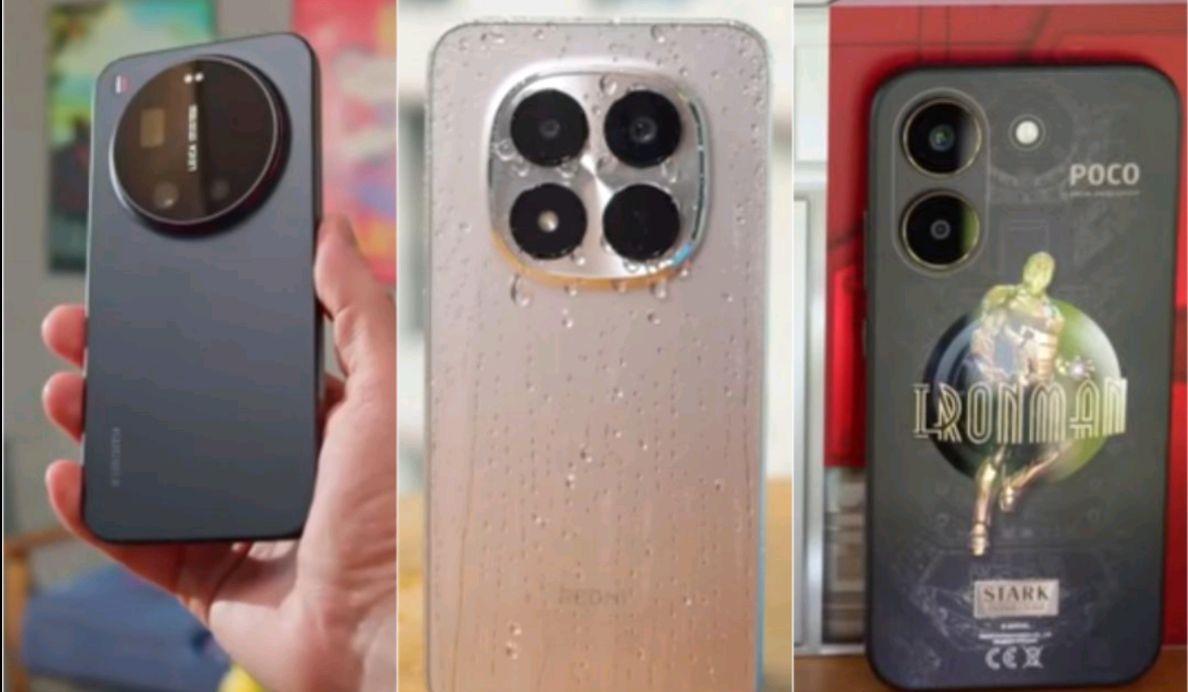
Xiaomi has quietly become one of the loudest names in the Nigerian phone market. Between the Redmi Note line, the gaming-leaning POCO series, and the genuinely flagship-grade Xiaomi numbered series, the brand covers almost every price bracket you can think of. That range is also what makes shopping for one confusing, because “a Xiaomi phone” could mean a ₦180,000 daily driver or a ₦1.5 million camera powerhouse. This guide breaks down the current Xiaomi, Redmi, and POCO lineup as it stands in mid-2026, based on real specs and what each phone is genuinely good at. If you’ve already read our piece on best phones under $500, you’ll notice a couple of overlaps here, since Xiaomi’s Redmi Note range dominates that price bracket in Nigeria.
How we chose these phones
We weighed each phone on five things: everyday performance, camera output, how long the manufacturer commits to software updates, real-world battery life, and how it’s actually priced for Nigerian buyers rather than just its US or UK sticker price. A phone with class-leading specs but poor local availability or a short update window didn’t make the cut over one that’s genuinely easier to live with day to day.
Quick comparison table
| Phone | Best for | Chipset | Battery | Starting price (approx.) |
|---|---|---|---|---|
| Xiaomi 17 Ultra | Camera enthusiasts | Snapdragon 8 Elite Gen 5 | 6,000mAh | ₦1,700,000+ |
| Redmi Note 15 Pro+ | Balanced flagship-lite | Snapdragon 7s Gen 4 | 6,500mAh | ₦600,000+ |
| POCO X8 Pro | Gaming on a budget | Dimensity 8500 Ultra | 6,500mAh | ₦480,000+ |
| Redmi Note 15 Pro 5G | Best all-rounder mid-ranger | Dimensity 7400 Ultra | 6,580mAh | ₦420,000+ |
| Redmi 15C | Tightest budget | Entry-level chipset | 6,000mAh | ₦160,000+ |
Naira figures are estimates based on current retailer listings and fluctuate with the dollar-to-naira exchange rate, so treat them as a ballpark rather than a fixed price. Always confirm the current rate before making a purchase decision.
1. Xiaomi 17 Ultra — the camera phone to beat
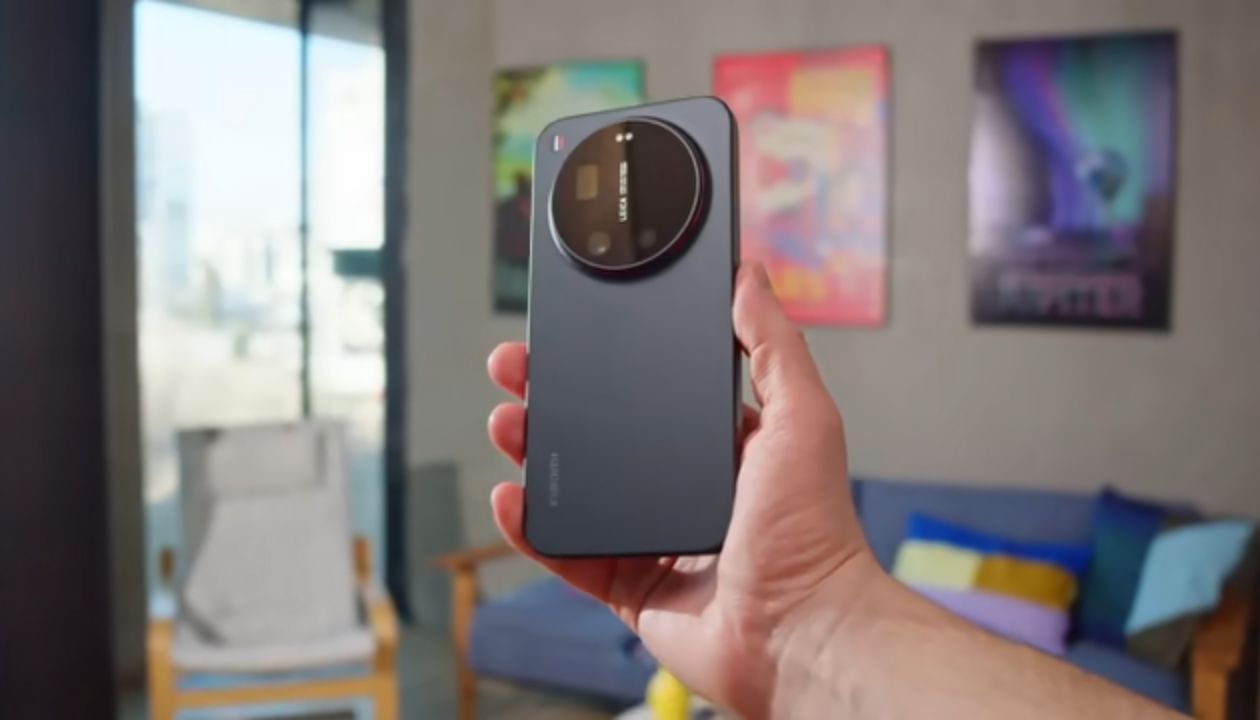
If you’ve been following our coverage of iPhone camera settings for better photos or best Samsung camera settings, you already know we take mobile photography seriously, and the Xiaomi 17 Ultra is currently the strongest photography-first Android phone Xiaomi makes. It’s the direct successor to last year’s 15 Ultra, with a bigger screen, a new chipset generation, and a bigger global battery.
It runs a Leica-tuned quad camera system built around a 50MP 1-inch main sensor, continuing Xiaomi’s approach of pairing that sensor with a genuinely usable long telephoto rather than a token zoom lens. The 6.9-inch flat OLED display gets brighter and bigger than its predecessor, and the global model carries a 6,000mAh battery, an upgrade over last year’s 5,410mAh unit even though it trails the 6,800mAh Chinese variant.
Key specs:
- 6.9-inch flat OLED, 120Hz, up to roughly 3,200 nits peak brightness
- Snapdragon 8 Elite Gen 5 chipset, up to 16GB RAM
- Leica-tuned quad rear camera built around a 50MP 1-inch main sensor
- 6,000mAh battery (global variant), 90W wired and 50W wireless charging
- IP68/IP69 dust and water resistance
This isn’t a phone for the average buyer, and Xiaomi itself doesn’t pretend otherwise. It’s for people who’d otherwise be eyeing a Galaxy S26 Ultra or an iPhone Pro Max purely for the camera, and want Leica-processed photos without the Apple or Samsung tax.
Software support: Xiaomi has committed to 5 major Android upgrades and 6 years of security patches for the 17 series, a genuine step up from the 4-and-5 policy on the previous generation, though it still trails Samsung’s 7-year commitment on the Galaxy S26 Ultra.
2. Redmi Note 15 Pro+ — the “almost flagship” pick
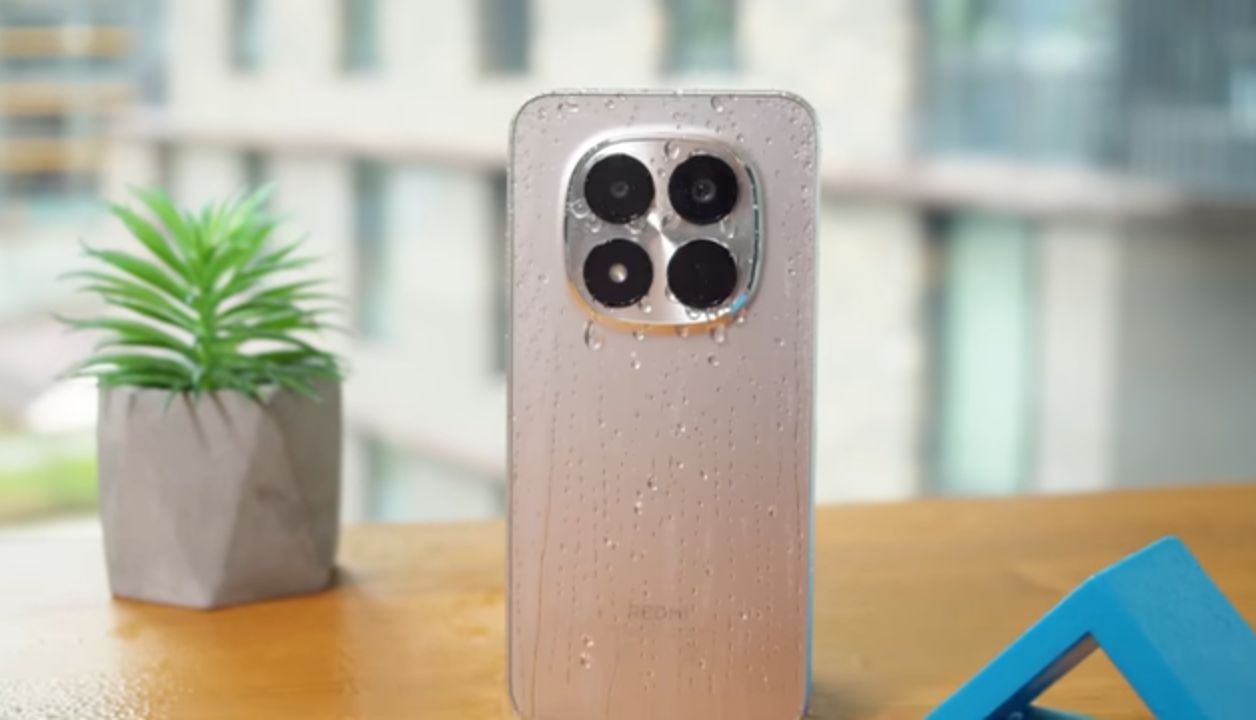
The Note 15 Pro+ sits in that sweet spot where the phone feels expensive without actually being expensive. It carries a larger 6.83-inch AMOLED panel than last year’s model, rated at up to roughly 3,200 nits in automatic brightness, with Dolby Vision support and a higher ingress protection rating than its predecessor.
Key specs:
- 6.83-inch AMOLED, 120Hz, HDR10+ and Dolby Vision
- Snapdragon 7s Gen 4 chipset
- 6,500mAh battery with 100W fast charging
- 200MP main camera, 8MP ultrawide, 2MP macro, 32MP selfie camera
- Higher IP rating than the previous Note Pro+ generation
Independent reviewers’ standardized battery tests have clocked its screen-on performance at close to 16 hours of active use, which is a genuine step up from last year’s Note 14 Pro+. If you want something that photographs well for social media without needing manual controls, this pairs nicely with the workflow in our best phones for AI photo editing guide.
Software support: Xiaomi promises 4 major Android upgrades and 6 years of security patches for the entire Redmi Note 15 series, matching what the Note 14 4G got and improving on the shorter cycle some Note 14 5G variants received.
3. POCO X8 Pro — built for gamers on a budget
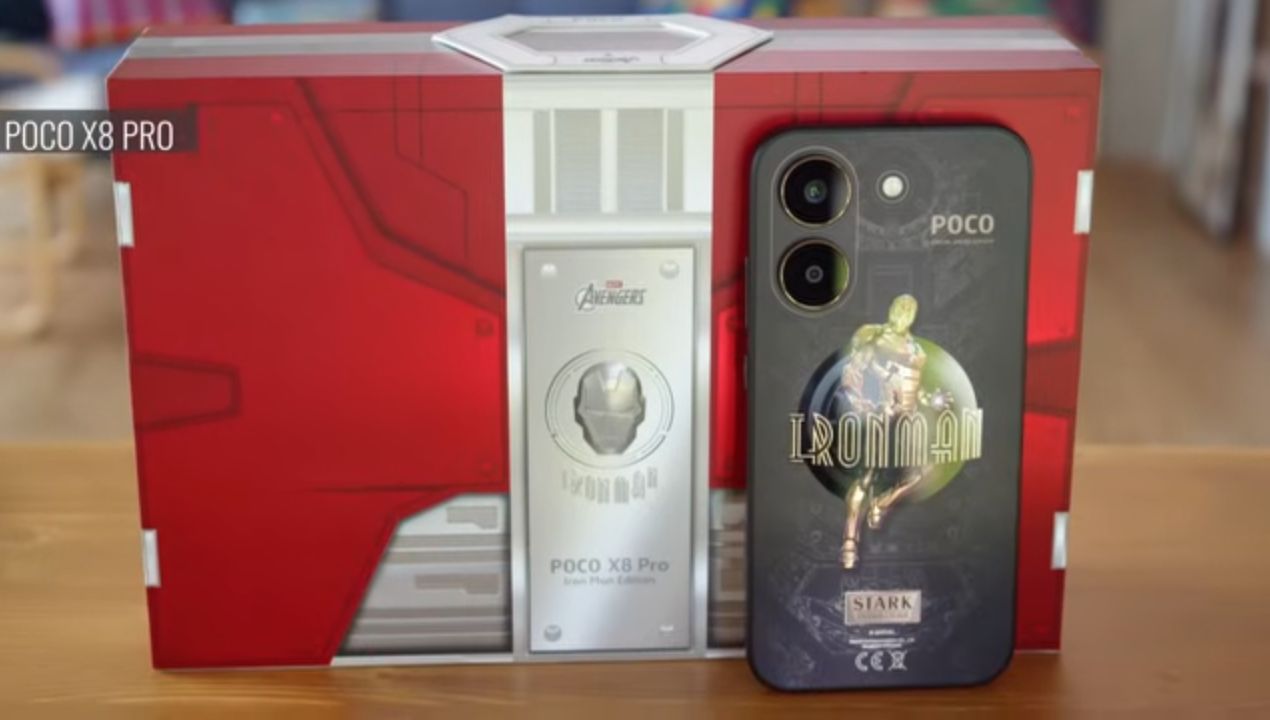
POCO exists as Xiaomi’s performance-first sub-brand, and the X8 Pro is arguably the best value-for-gaming phone in its price class right now. It’s powered by the MediaTek Dimensity 8500 Ultra, a chipset that punches well above its price bracket, and pairs it with a large silicon-carbon battery that clocked in at nearly 17 hours of active use in GSMArena’s standardized battery testing.
Key specs:
- 6.59-inch AMOLED, 120Hz, 1268 x 2756 resolution, Dolby Vision and HDR10+
- MediaTek Dimensity 8500 Ultra chipset
- 6,500mAh silicon-carbon battery
- 50MP main camera
- IP68-class dust and water resistance, stereo speakers
If mobile gaming is your priority and you want steady frame rates without flagship pricing, this is a solid step up from anything covered in our best phones under $500 roundup.
4. Redmi Note 15 Pro 5G — the sensible all-rounder
If the Pro+ feels like overkill and the POCO X8 Pro’s gaming focus doesn’t matter to you, the standard Redmi Note 15 Pro 5G quietly does almost everything well. It switched to an entirely flat display and body this generation, moving away from the curved screen of its predecessor, and grew from 6.67 inches to 6.83 inches in the process.
Key specs:
- 6.83-inch AMOLED, 120Hz, up to roughly 3,200 nits peak brightness
- MediaTek Dimensity 7400 Ultra chipset
- 6,580mAh silicon-carbon battery, 45W wired charging
- IP68 rating, stereo speakers
- No microSD slot on the Pro variant, unlike the base Note 15
It’s the one we’d point most first-time Xiaomi buyers toward, since it hits a genuinely rare combination for its price: a bright, flat AMOLED screen, water resistance, and dependable daylight camera performance.
5. Redmi 15C — the budget workhorse
Not everyone needs (or can afford) AMOLED displays and flagship chipsets, and that’s exactly the gap the Redmi 15C fills. It remains Xiaomi’s go-to entry point in Nigeria’s sub-₦200,000 bracket, built for buyers whose main concerns are battery life, storage, and reliability rather than camera performance or gaming benchmarks.
Key specs:
- 6.9-inch HD+ display, 120Hz refresh rate, up to 810 nits peak brightness (HBM)
- MediaTek Helio G81 Ultra chipset, up to 8GB RAM (plus virtual RAM expansion)
- 6,000mAh battery, 33W wired fast charging
- 50MP main camera, 8MP selfie camera
- HyperOS 2 over Android, Gorilla Glass 3 protection, up to 256GB storage
This is the phone we’d recommend to someone buying their first smartphone, or replacing an older device purely for basic connectivity. It won’t win any camera comparisons, but for the price, the battery life alone justifies it.
Xiaomi vs Redmi vs POCO: what’s the actual difference?
A lot of buyer confusion comes from not knowing these are technically the same company. Here’s the simple breakdown:
| Brand | Positioning | Typical use case |
|---|---|---|
| Xiaomi (numbered series) | Flagship and premium | Camera-first buyers, power users |
| Redmi Note series | Upper-mid to mid-range | Best all-round value, most popular in Nigeria |
| Redmi (base/C series) | Budget | First smartphones, basic daily use |
| POCO | Performance-focused mid-range | Gamers wanting flagship specs on a budget |
Should you buy Xiaomi in Nigeria?
Availability is genuinely strong here compared to a few years ago. Xiaomi has historically maintained authorized service points in cities including Lagos, Abuja, and Port Harcourt, though it’s worth confirming your nearest active location directly with Xiaomi Nigeria before you buy, since coverage can shift. Most major retailers carry the Redmi Note and POCO lines with manufacturer warranties intact, provided you buy from an authorized dealer rather than a grey-market import. Grey-market units are common and often cheaper, but they typically lose warranty coverage and sometimes ship with region-locked software, so that’s worth weighing against the naira you’d save.
For buyers comparing across brands rather than staying loyal to one, it’s also worth checking our breakdown of phones with the best wireless charging, since that’s one area where Xiaomi’s cheaper Redmi models still lag behind Samsung and even some Infinix models.
FAQ
Is Xiaomi a good brand to trust in 2026? Yes. Xiaomi has become one of Nigeria’s most popular smartphone brands, and its build quality and software support have improved significantly over the past few generations. The main caveat is buying from authorized retailers to keep your warranty valid.
What’s the difference between Redmi and POCO phones? They’re both Xiaomi sub-brands, but POCO phones are tuned more aggressively for gaming performance and value, often reusing hardware from Redmi’s China-only “Turbo” line, while Redmi focuses on balanced everyday specs like camera quality and display brightness.
Do Xiaomi phones support 5G in Nigeria? Most current Redmi Note, POCO, and Xiaomi flagship models support 5G bands, though actual 5G coverage in Nigeria is still limited to select cities. All the models on this list work fine on 4G LTE where 5G isn’t available.
Which Xiaomi phone has the best camera for the price? For pure image quality regardless of cost, it’s the Xiaomi 17 Ultra. For value, the Redmi Note 15 Pro and Pro+ both use a 200MP-class main sensor that performs well above their price point in daylight and moderately well at night.
Is it better to buy Xiaomi from Jumia, Slot, or an official Xiaomi store? Official Xiaomi retail partners and Xiaomi’s own service centers generally guarantee full warranty coverage. Marketplaces like Jumia are reliable if you buy from verified sellers with good ratings, but always confirm the unit is “inactive” (unused) at purchase so your 12-month warranty starts from your first power-on, not the manufacturing date.
How much RAM and storage do I actually need in 2026? For everyday use, 8GB RAM and 128GB storage is a comfortable minimum given how heavy apps like banking and social media apps have gotten. If you plan to game or keep your phone for 3+ years, aim for 12GB RAM and at least 256GB storage.
Prices mentioned in this article are estimates in Nigerian naira based on current retailer listings as of publication and are subject to change with exchange rate fluctuations and retailer promotions. Always verify current pricing with authorized dealers before purchase.

Comments 0
Leave a comment