Table of Contents
Open Table of Contents
Overview
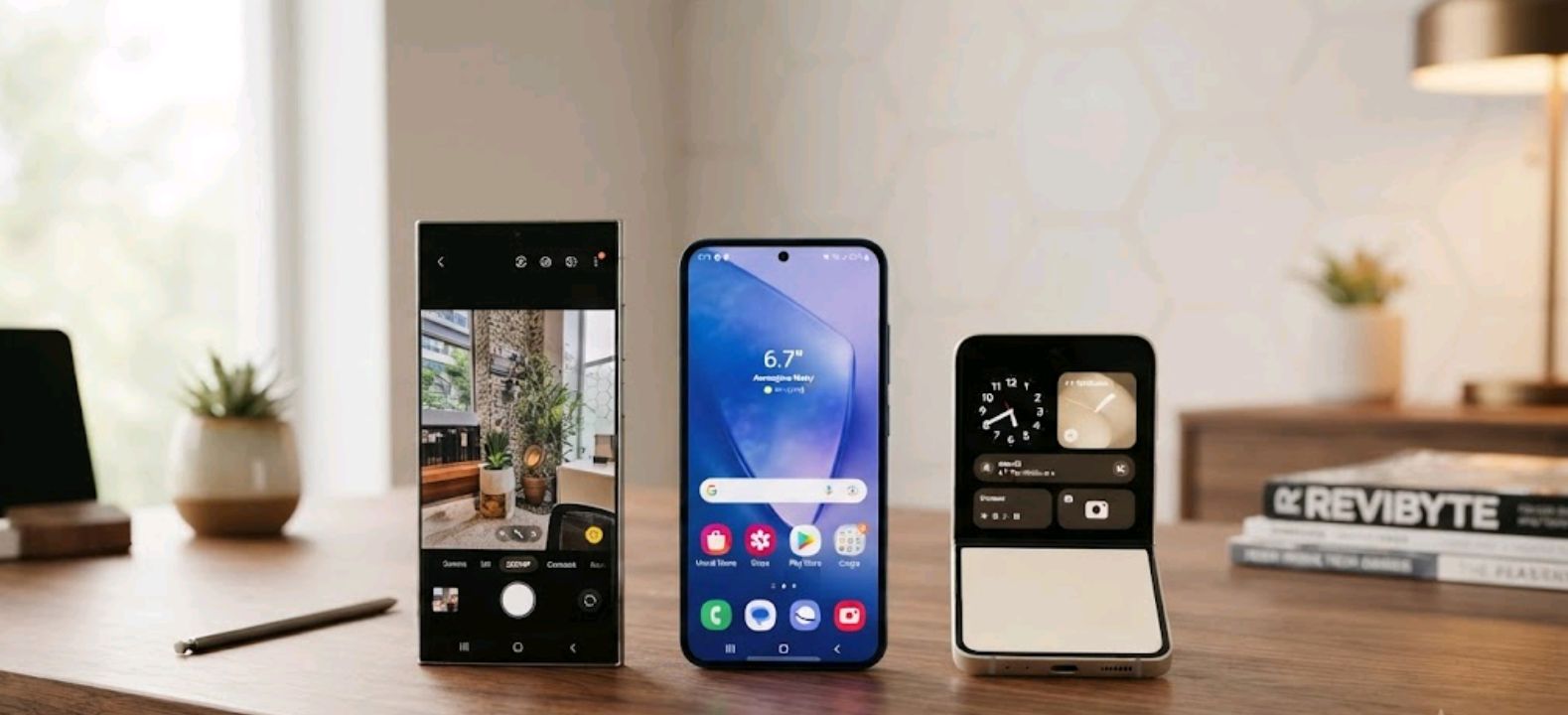
If you’ve walked into Computer Village or scrolled Slot’s website lately, you’ll notice Samsung doesn’t make it simple anymore. There’s the S26 Ultra flexing a 200MP camera, the Z Flip 7 folding in half like it’s showing off, and somewhere in the middle a whole shelf of A-series phones that all look the same from three feet away. I’ve spent the last few weeks pulling apart specs against Samsung’s own published sheets and GSMArena’s lab reviews, cross-checking Nigerian retail prices, and arguing with myself about which of these is actually worth your money — not Samsung’s marketing copy, your money.
One thing worth saying upfront: Naira prices for Samsung phones swing hard depending on where you buy. A brand-new S26 Ultra can list anywhere from roughly ₦1.9 million to over ₦2.5 million depending on the vendor, the storage tier, and whether the exchange rate moved that week. Treat every figure below as a starting point for negotiation, not gospel. Always confirm the exact model number (the SM-xxxx code) and IMEI before you pay anyone — more on that in the buying section below.
The flagship tier: S26 Ultra, S26+, and S26
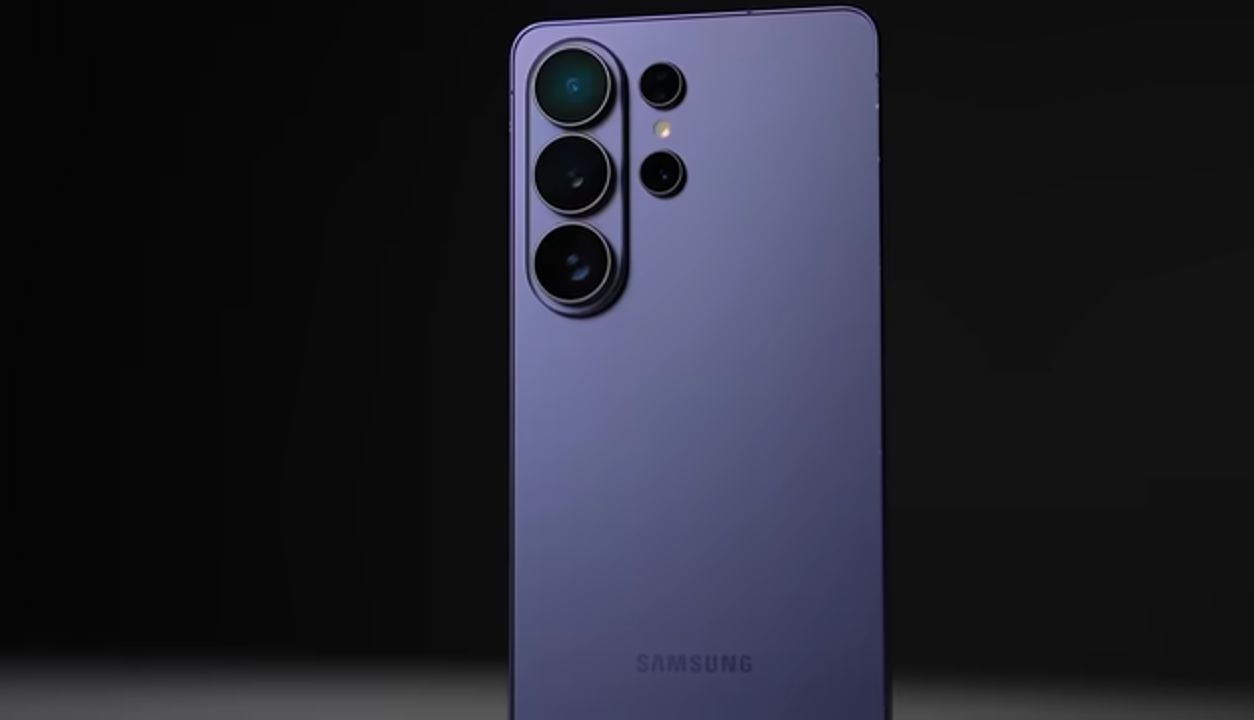
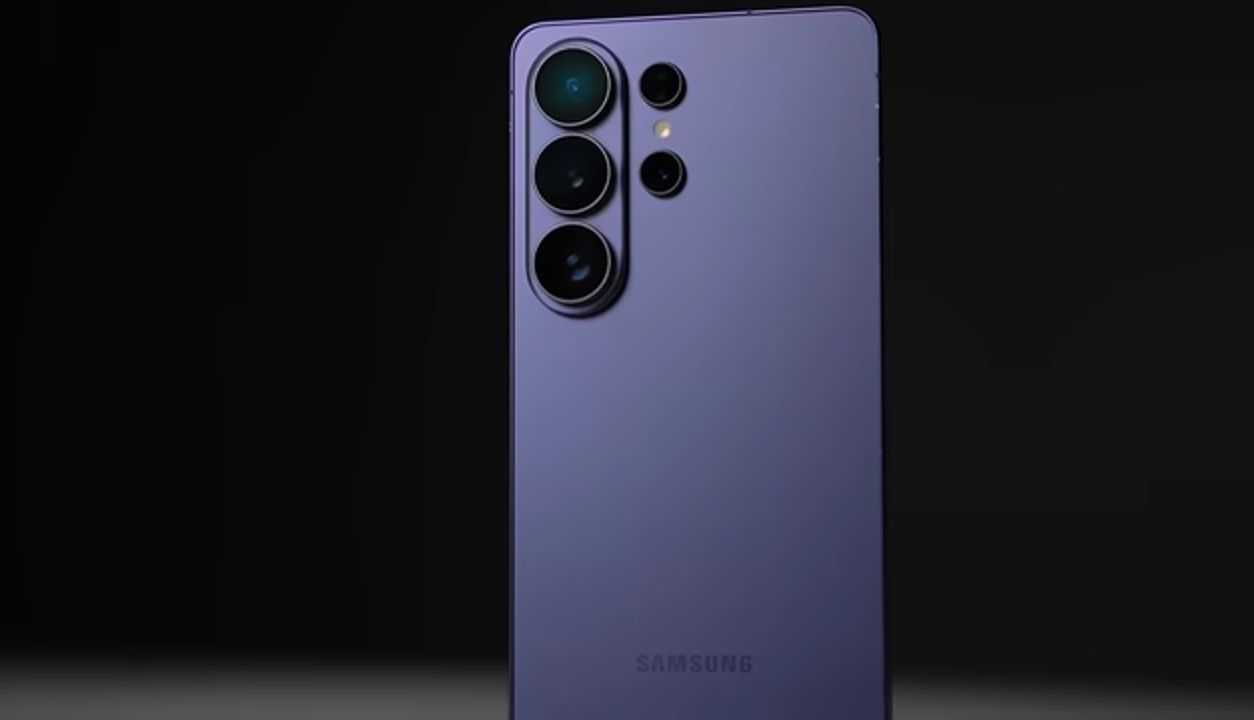
The Galaxy S26 Ultra is still the phone Samsung wants you to aspire to, and it mostly earns it. It runs a 6.9-inch LTPO AMOLED panel, a quad rear camera anchored by a 200MP main sensor with a 5x periscope zoom, and comes in 256GB/12GB, 512GB/12GB, and 1TB/16GB configurations. The chip is technically the “Snapdragon 8 Elite Gen 5 for Galaxy” — an overclocked variant Samsung gets exclusivity on outside China, clocked slightly higher than the standard Snapdragon 8 Elite Gen 5 found in other 2026 flagships. Charging jumped to 60W wired (up from 45W) via Samsung’s new Super Fast Charging 3.0, and Samsung’s official claim is 75% in 30 minutes — GSMArena’s own lab testing actually measured slightly better than that in practice, so the number isn’t just marketing padding.
Pros: best-in-class zoom camera, seven years of promised OS updates, genuinely fast charging, Privacy Display for public use. Cons: battery capacity (5000mAh) hasn’t grown despite the bigger chip, still the heaviest and priciest phone in the lineup, base 256GB will feel tight if you shoot a lot of 8K video.
If that price makes you wince, the standard S26 is worth a serious look. It packs a 4,300mAh battery (up from 4,000mAh on the S25) into a 6.3-inch one-handed body, running the Snapdragon 8 Elite Gen 5 in most regions and the Exynos 2600 in Europe. Charging stays at 25W wired — Samsung didn’t extend the S26 Ultra’s charging upgrade down the line, so don’t expect Ultra-speed top-ups here. Storage starts at 256GB with 12GB RAM as standard now; the old 128GB base tier is gone. Nigeria pricing sits somewhere around ₦1.1 million to ₦1.45 million depending on the seller.
Pros: genuinely compact flagship, bigger battery than last year, same core Snapdragon silicon as the Ultra in most markets. Cons: no periscope zoom, slower 25W charging, no Privacy Display feature.
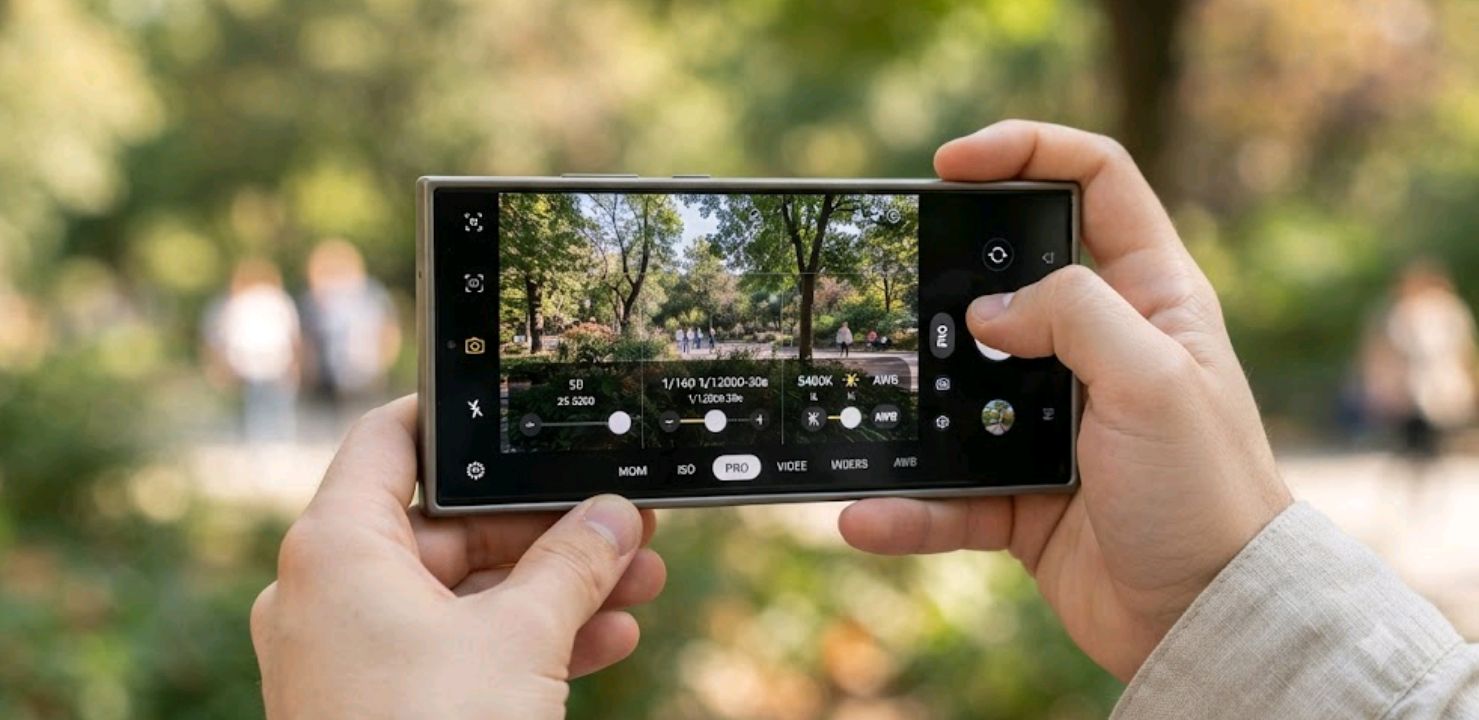
If screen size is your priority over zoom, the S26+ sits in between with a 6.7-inch display and a 4,900mAh battery, though it’s harder to find in Nigerian retail listings than the base and Ultra models. For a deeper look at how these three actually hold up on a full day’s use, our Samsung battery life breakdown is worth reading before you decide between them, and if camera output specifically is what’s driving your decision, we’ve ranked the S-series against Samsung’s other camera-forward models in our best Samsung camera phones guide.
The A-series: where most Nigerians actually buy
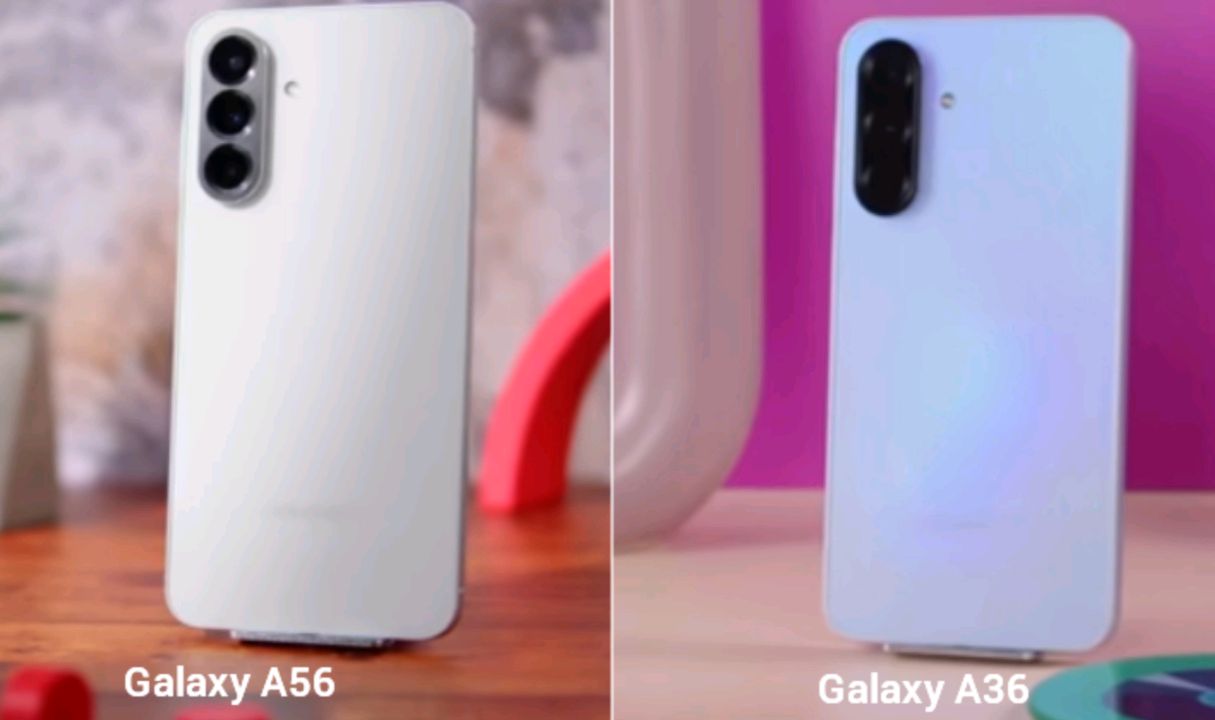
This is the tier that matters for volume, and Samsung clearly knows it. The Galaxy A56 and Galaxy A36 sit close enough on paper that people genuinely confuse them at the point of sale, so here’s the actual difference: the A56 runs Samsung’s own Exynos 1580 chip, while the A36 uses a Qualcomm Snapdragon 6 Gen 3. Both ship with a 6.7-inch 120Hz Super AMOLED display rated at 1900 nits peak brightness, a 5000mAh battery, 45W charging, and IP67 water resistance — which, if you’ve ever caught a downpour on your way from a bus stop in Benin or Lagos, is not a small thing.
The A56 is typically sold in 8GB RAM configurations with 128GB or 256GB storage, though 12GB RAM variants show up in some Nigerian listings, likely grey-market imports from other regions. The A36 offers more spread — 6GB, 8GB, or 12GB RAM paired with 128GB or 256GB storage — so check the exact configuration before comparing prices between two “A36” listings.
A56 pros: 6-year OS and security update promise, sharp 1900-nit display for outdoor visibility, reliable Samsung camera processing. A56 cons: Exynos chips have historically run warmer under sustained load than Qualcomm equivalents; camera front sensor specs vary between listings, so verify before buying.
A36 pros: same 120Hz AMOLED and IP67 rating for less money in most listings, Snapdragon silicon some buyers simply prefer. A36 cons: more RAM/storage combinations to sort through when shopping, so it’s easier to accidentally overpay for a lower-spec unit.
On the gaming question specifically — I’d stop short of calling either chip the clear winner. Real-world gaming performance depends heavily on how well each app is optimized for the chip and how the phone manages heat during long sessions, not just raw benchmark numbers. Some reviewers find the Snapdragon 6 Gen 3 holds clocks slightly better under sustained load, but thermal throttling behavior varies by unit, ambient temperature, and even which case you’re using. Neither is a dedicated gaming chip either way — for that, our gaming phones under $250 guide covers dedicated options that outperform both at similar money.
If you’re buying for a student who mostly needs reliability over raw power, our best Samsung phones for students guide breaks down which A-series configuration actually makes sense on a tighter budget.
The foldable question: Z Flip 7
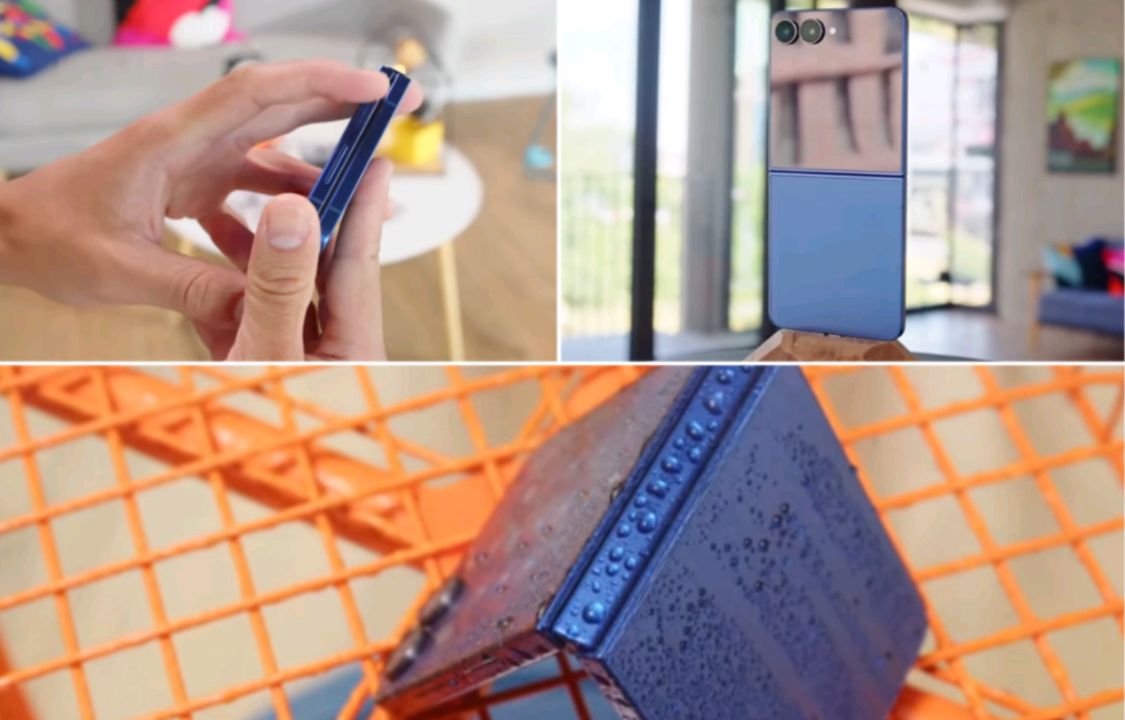
The Z Flip 7 is the phone people buy to be seen with it, and there’s nothing wrong with that as a reason. It packs a 6.9-inch inner AMOLED panel and a 4.1-inch cover FlexWindow display that now runs edge-to-edge instead of the smaller cutout window on older Flips. Samsung launched the Z Flip 7 globally with its own Exynos 2500 chip, including in the US — no Snapdragon variant was offered at launch, which reads as a deliberate bet by Samsung rather than a regional quirk. Worth double-checking at time of purchase in case that changes on a later revision. RAM is standardized at 12GB, with 256GB or 512GB storage options (the old 128GB tier is gone here too).
Battery capacity is 4,300mAh, up from 4,000mAh on the Z Flip 6, and Samsung claims around 31 hours of video playback. Charging, however, stays capped at 25W wired — the Ultra’s charging upgrade didn’t trickle down to the foldable lineup this year, so don’t expect flagship-slab charging speeds on a flagship-slab price tag.
Pros: noticeably larger, more usable cover screen; bigger battery than its predecessor; satellite connectivity support via the Exynos 5400 modem. Cons: 25W charging feels slow at this price point; Exynos-only means less flexibility if you have strong chipset preferences; hinge mechanisms remain a long-term durability consideration on any foldable.
Nigerian pricing is all over the place here, from around ₦1.55 million to well over ₦2 million depending on storage and whether you’re buying from an authorized reseller or a Computer Village stall. If foldables interest you as a category rather than just this one model, it’s worth reading through our foldable phones in Nigeria guide before committing that kind of money.
Quick comparison table
| Model | Chipset | Display | Battery & Charging | RAM/Storage | Nigeria Price (approx.) |
|---|---|---|---|---|---|
| Galaxy S26 Ultra | Snapdragon 8 Elite Gen 5 for Galaxy | 6.9” LTPO AMOLED, 120Hz | 5000mAh, 60W wired / 25W wireless | 12GB/256–512GB, 16GB/1TB | ₦1.9M – ₦2.5M+ |
| Galaxy S26+ | Snapdragon 8 Elite Gen 5 / Exynos 2600 | 6.7” LTPO AMOLED, 120Hz | 4900mAh, 25W wired | 12GB/256–512GB | Limited local availability |
| Galaxy S26 | Snapdragon 8 Elite Gen 5 / Exynos 2600 | 6.3” LTPO AMOLED, 120Hz | 4300mAh, 25W wired | 12GB/256–512GB | ₦1.1M – ₦1.45M |
| Galaxy Z Flip 7 | Exynos 2500 (worldwide) | 6.9” foldable AMOLED + 4.1” cover | 4300mAh, 25W wired | 12GB/256–512GB | ₦1.55M – ₦2M+ |
| Galaxy A56 | Exynos 1580 | 6.7” Super AMOLED, 120Hz | 5000mAh, 45W wired | 8GB/128–256GB (12GB seen in some listings) | ₦520K – ₦600K |
| Galaxy A36 | Snapdragon 6 Gen 3 | 6.7” Super AMOLED, 120Hz | 5000mAh, 45W wired | 6/8/12GB, 128–256GB | ₦450K – ₦640K |
Who should buy what
If you’re doing content creation, running a business off your phone, or just refuse to charge twice a day, the S26 Ultra’s zoom camera and faster charging justify the price for a certain kind of buyer. If you want flagship speed without flagship bulk, the standard S26 is the pragmatic pick, though its 25W charging is worth knowing about upfront. For everyone shopping under ₦700,000 — which, let’s be honest, is most of revibyte.blog’s readers — the A36 and A56 are where the real value sits, and either will comfortably outlast a two-year contract if you’re not gaming heavily on it.
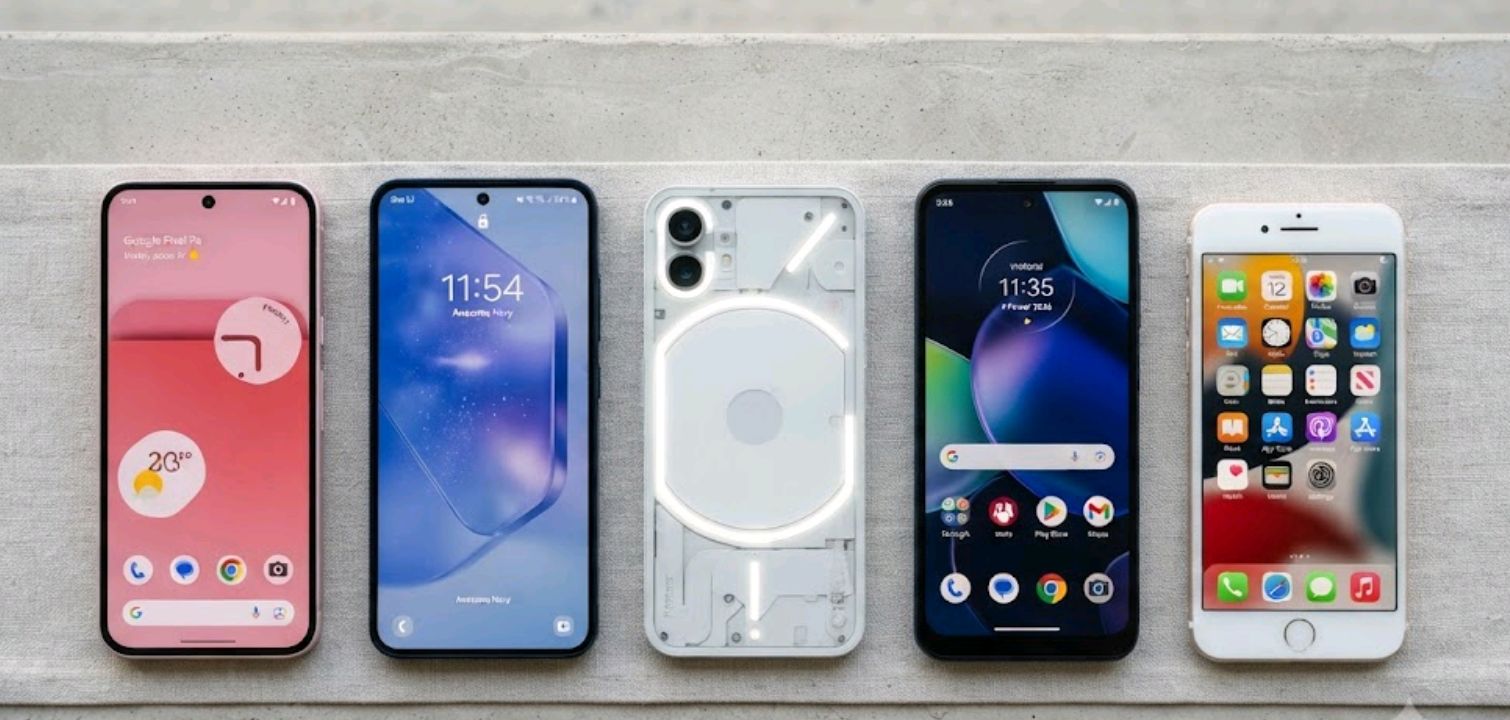
If gaming specifically is your priority rather than camera or battery, none of these Samsung models are built for it first — check our best Android phones 2026 roundup for how Samsung stacks up against Xiaomi and other brands built around raw performance-per-naira, including notes from our Xiaomi phones 2026 guide. If wireless charging is a dealbreaker for your daily routine, only the S26 series here supports it — our wireless charging phones guide lists Samsung and non-Samsung options side by side. And if you’re weighing Samsung against switching ecosystems entirely, our Samsung vs Apple ecosystem comparison covers what you’d actually gain or lose in the move.
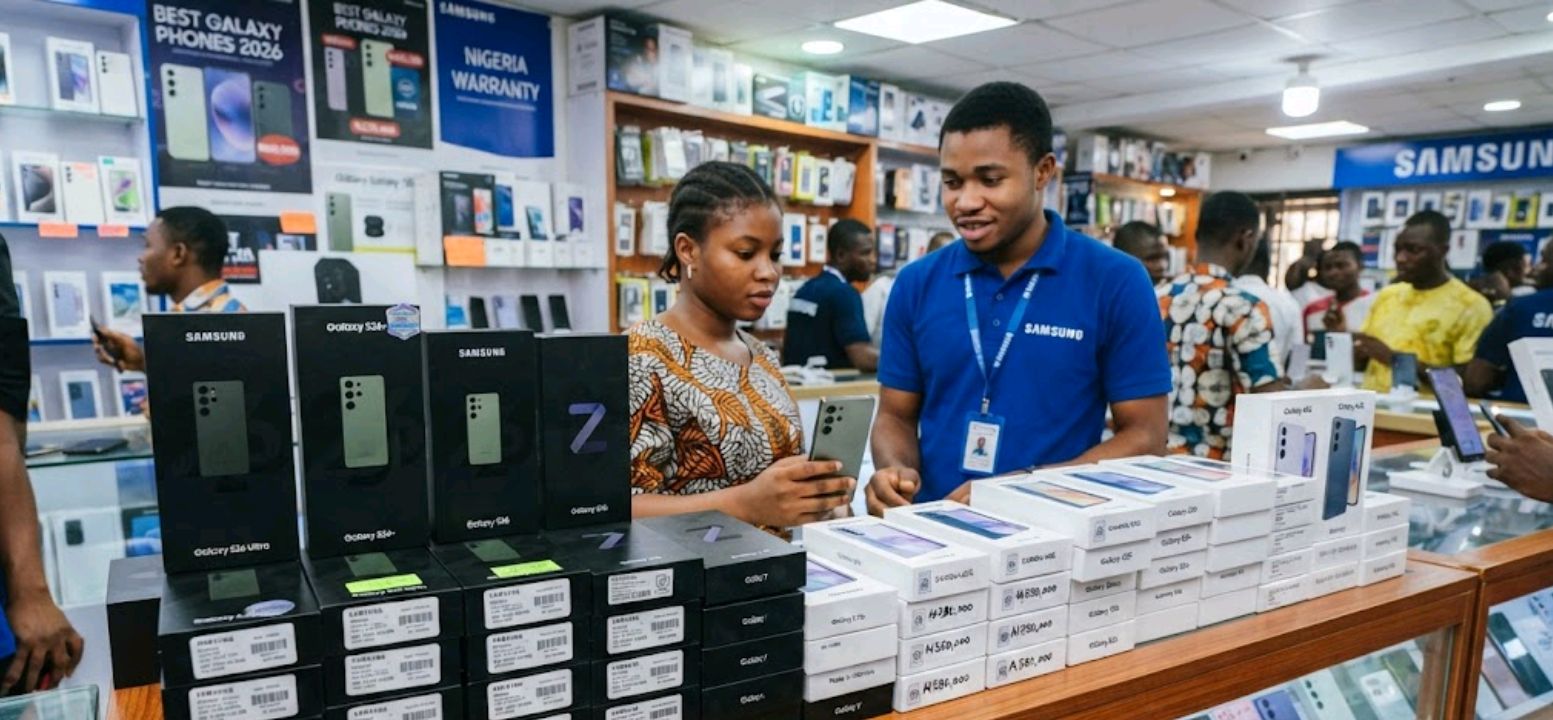
Where to buy genuine Samsung phones in Nigeria
The safest route is Samsung’s own Experience Stores or listed authorized partners, since these carry Samsung Nigeria warranty support that grey-market imports don’t. Online, Jumia and Konga sell Samsung stock with return windows, which gives you some recourse if a unit arrives faulty. Slot and other established retail chains with physical locations in Lagos, Abuja, Port Harcourt, and other major cities are generally reliable for new units, though prices tend to run slightly higher than Computer Village or Jiji listings in exchange for warranty backing.
If you’re buying from Computer Village, Jiji, or any individual seller, do these checks before handing over money:
- Dial
*#06#on the phone to display the IMEI, then verify it matches the box and isn’t flagged as stolen or blacklisted. - Confirm the model number (e.g., SM-A566B for the A56) matches what’s advertised — regional variants sometimes ship with different chipsets or missing bands.
- Ask specifically whether the warranty is Samsung Nigeria-issued or an international/UK warranty, since only the former gets you local service center support.
- Inspect the IP67/IP68 seal areas (SIM tray gasket) on any unit claiming water resistance, since a compromised seal voids that protection entirely.
- Never pay in full before powering on the device and confirming it isn’t a refurbished or duplicate-IMEI unit.
FAQ
Is the Galaxy A56 or A36 better value in Nigeria? Depends on what you’re optimizing for. The A36 tends to sell slightly cheaper in most listings, while the A56’s Exynos 1580 handles daily multitasking just as well in practice. Gaming performance between the two varies more by thermal management and app optimization than by chip alone, so don’t treat either as a decisive winner on that front. If prices converge in your local market, go with whichever seller offers better warranty support.
Should I buy the S26 Ultra or wait for a price drop on the S25 Ultra? If you can find a genuine S25 Ultra at a meaningful discount, it’s still a capable flagship and will save you real money. The S26 Ultra’s main upgrades are faster 60W charging, camera refinements, and the Privacy Display feature — worth it if you use banking or work apps in public, less critical otherwise.
Do Samsung phones bought in Nigeria come with local warranty? Only if purchased from Samsung’s official Experience Stores or authorized partners. Grey-market imports common at Computer Village and on Jiji often carry international or seller-only warranties, meaning no Samsung Nigeria service center support if something breaks. Always ask before paying.
How many years of software updates do these phones get? The S26 series and the Z Flip 7 are promised seven years of major Android updates. The A56 and A36 get six years of OS and security updates — genuinely strong for the mid-range tier and ahead of most competitors at the same price.
Is the Z Flip 7 durable enough for daily use in Nigeria’s climate and roads? Samsung’s recent foldables have held up well over the past few generations after early durability concerns with the original Fold line. That said, foldables remain more delicate than slab phones by design — a hinge is still a moving mechanical part, and the Z Flip 7’s IP48 rating is lower than the IP68 rating on the S26 series, meaning less dust protection. A case and mindful pocket habits go a long way.
Methodology and sources
Specs referenced in this guide were cross-checked against Samsung’s own published specification pages where available, GSMArena’s full spec sheets and lab-tested reviews, and PhoneArena and Android Authority coverage of the S26 and Z Flip 7 launches. Nigerian retail pricing was cross-checked against Jumia, Jiji, NaijaTechGuide, and multiple authorized reseller listings as of July 2026. Naira figures fluctuate with the exchange rate and vendor markup, so treat all pricing as directional and confirm current rates before purchase. Last checked and updated: July 24, 2026.

Comments 0
Leave a comment