Table of Contents
Open Table of Contents
- Overview
- Quick Comparison
- Samsung Galaxy S25 FE — The Newest True Wireless Option
- Infinix Note 60 Ultra — Flagship-Level Wireless Speed at a Mid-Range Price
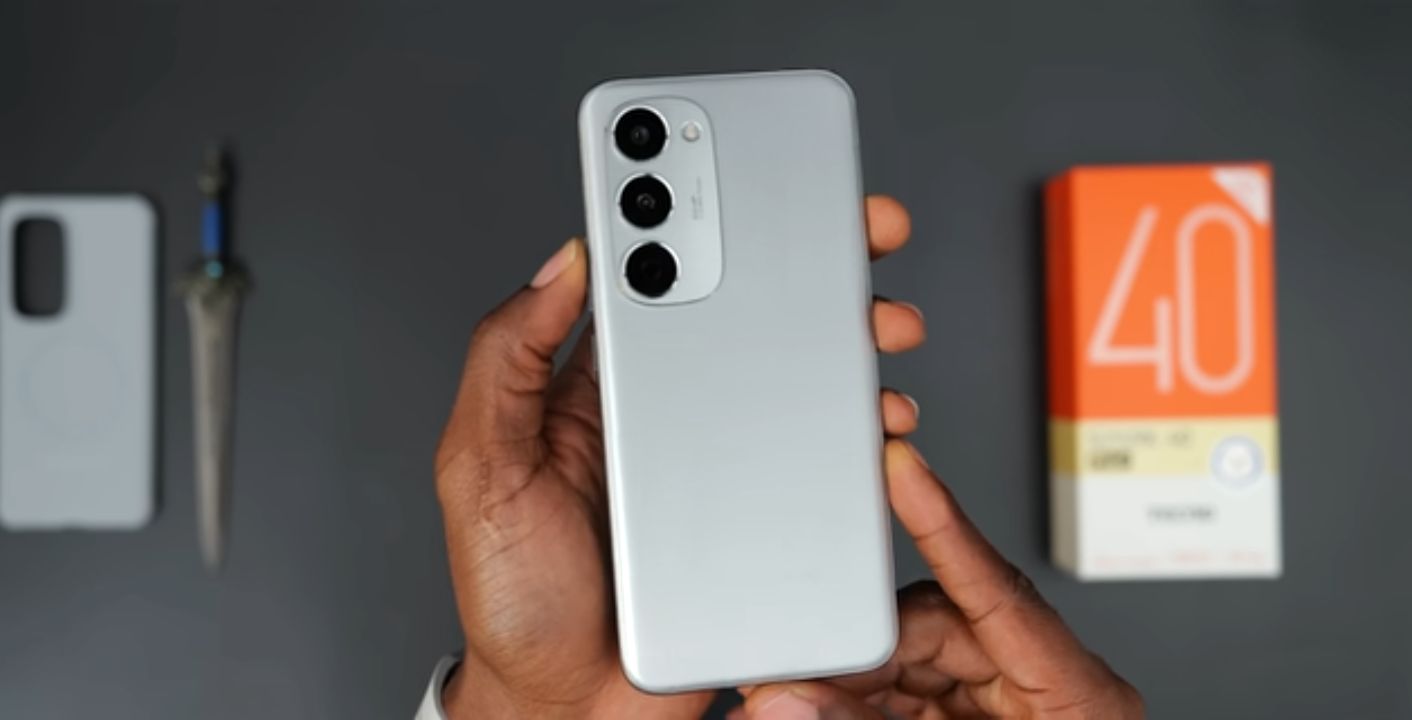
- Tecno Spark 40 Pro+ — Wireless Charging Under ₦300,000
- Samsung Galaxy S24 FE — Still Worth It on the Used Market
- Samsung Galaxy S24 and S25 (Standard) — Premium Choice
- Google Pixel 9a — Wireless Charging on a Budget, If You Can Import It
- Samsung Galaxy S23 (Renewed) — Cheapest Real Wireless Charging
- Infinix Zero Ultra (2023) — A Used-Market Footnote
- Why Most Budget and Mid-Range Phones Still Skip Wireless Charging
- Which One Should You Buy?
- Frequently Asked Questions
Overview
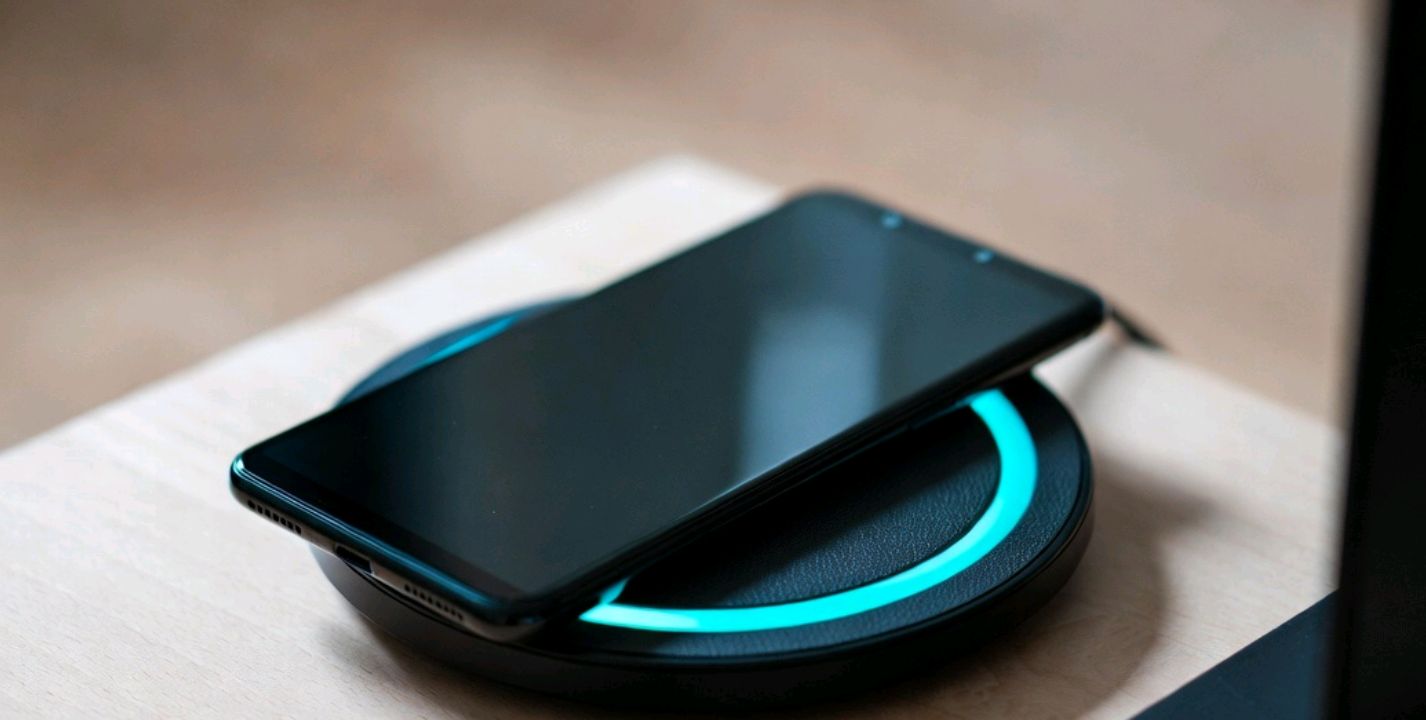
Let’s clear something up before the list, because it saves you money: wireless charging is still rare across Infinix and Tecno’s lineups, and most of their current models — including the Note 60 Pro, Note Edge, and Phantom V Flip 2 — don’t have it. But it’s not accurate to say the brands have skipped it entirely. Two current models buck that trend: the Infinix Note 60 Ultra ships with genuine 50W wireless charging, and the Tecno Spark 40 Pro+ supports 30W magnetic wireless charging through its included case. Both are sold new in Nigeria right now. If you’ve been searching “Infinix phones with wireless charging” or “Tecno wireless charging phone Nigeria” and getting conflicting answers, this is why — it depends entirely on which specific model you mean.
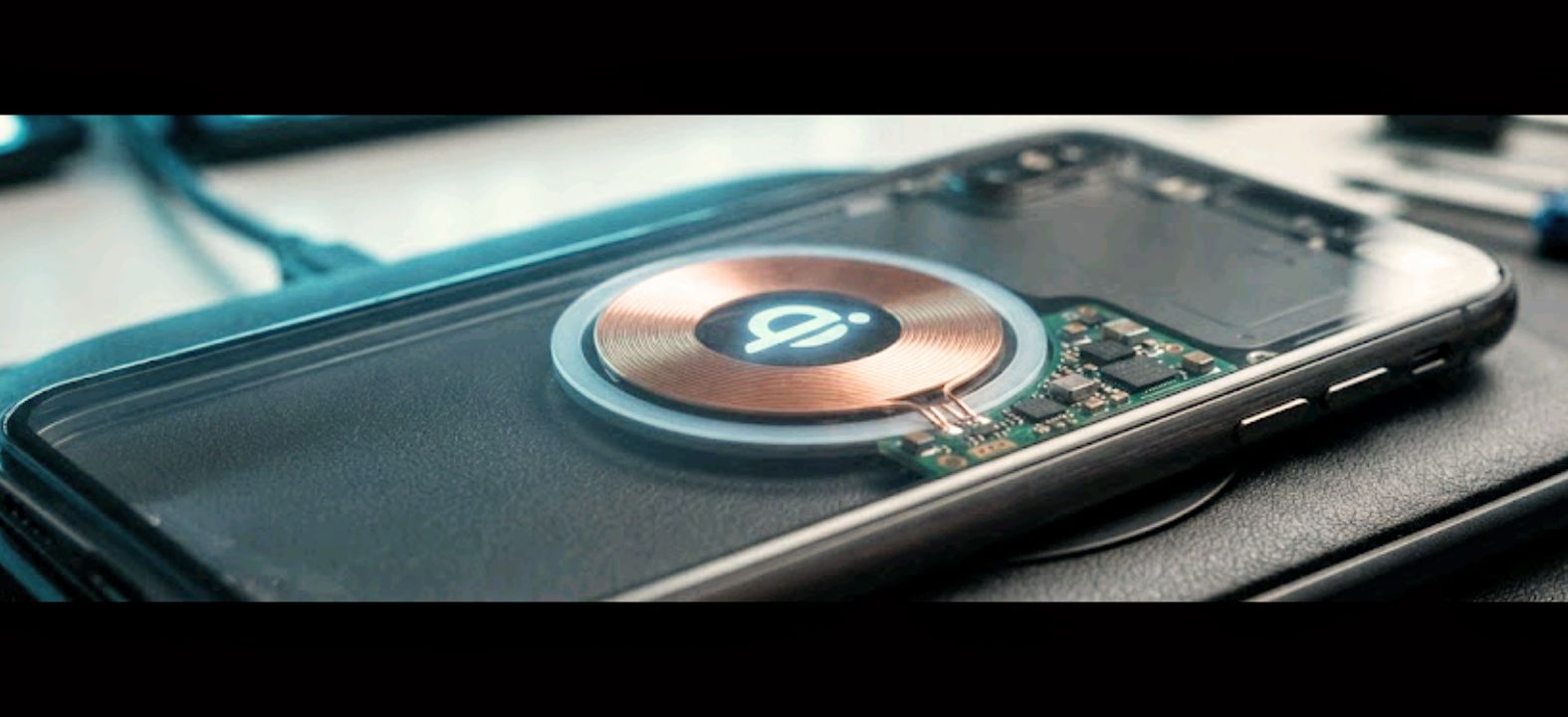
That’s the nuance most guides miss. Wireless charging is still mostly treated as a flagship perk on Samsung’s S-series and Google’s Pixel line, and it’s slower and less efficient than the 45–100W wired charging Nigerian buyers are used to. But if drop-and-go charging on a desk pad or car mount is genuinely what you want, here’s what actually delivers it across price tiers, what it costs in Naira, and what to watch for before you pay.
Quick Comparison
| Phone | Wireless Speed | Wired Speed | Battery | Approx. Price (Nigeria) |
|---|---|---|---|---|
| Samsung Galaxy S25 FE | 15W, Qi2 supported (needs compatible case) | 45W | 4,900mAh | ₦850,000 – ₦1,050,000 (new) |
| Samsung Galaxy S24 FE | 15W wireless, reverse wireless | 25W | 4,700mAh | ₦630,000 – ₦950,000 |
| Samsung Galaxy S24 / S25 | 15W | 25W | 4,000–4,300mAh | ₦900,000 – ₦1,300,000 |
| Infinix Note 60 Ultra | 50W magnetic wireless (full speed needs bundled magnetic pad) | 100W | 7,000mAh | ₦578,000 – ₦630,000 (new) |
| Tecno Spark 40 Pro+ | 30W magnetic wireless (via included case) | 45W | 5,200mAh | ~₦275,000 (new) |
| Google Pixel 9a | 7.5W Qi | 23W (PPS charger needed) | 5,100mAh | ₦550,000 – ₦750,000 (imported) |
| Samsung Galaxy S23 (renewed/used) | 15W | 25W | 3,900mAh | ₦380,000 – ₦550,000 |
| Infinix Zero Ultra (2023, used only) | 15W, reverse wireless | 68W | 4,500mAh | ₦180,000 – ₦260,000 (used) |
Naira figures are estimates as of July 2026 and move with the USD/NGN exchange rate, which has hovered between ₦1,370 and ₦1,420 to the dollar in recent weeks. Check live rates before you commit, especially at foreign-used and Computer Village outlets where sellers reprice daily.
Samsung has the deepest wireless-charging lineup by model count, but the Note 60 Ultra and Spark 40 Pro+ prove it’s no longer the only brand playing in this space — and the Infinix actually beats every Samsung here on raw wireless wattage.
Samsung Galaxy S25 FE — The Newest True Wireless Option
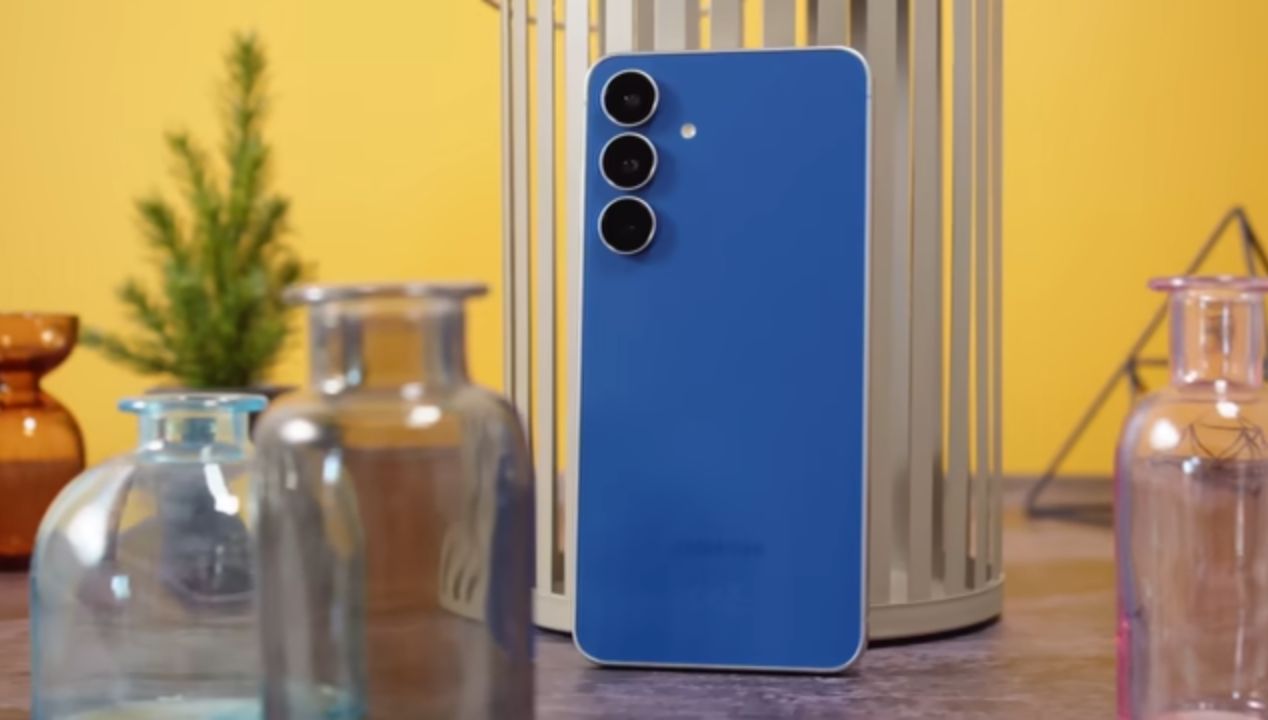
Samsung’s Fan Edition line is the most realistic entry point into wireless charging for Nigerian buyers who don’t want to spend flagship money. Per Samsung’s own spec sheet, the S25 FE carries a 4,900mAh battery, up to 45W wired charging (about 65% in 30 minutes, Samsung says), and 15W wireless charging. Samsung lists it as “Qi2 supported,” which means you get the magnetic snap-and-align convenience of Qi2 accessories, but only when paired with a compatible magnetic case — the phone itself doesn’t have built-in alignment magnets the way the Pixel 10 series does. If you’ve read our breakdown of phones with the fastest charging in 2026, you’ll notice the FE line trades outright wired speed for a more balanced, all-round package, with 45W wired now matching what the pricier standard S25 offers.
Infinix Note 60 Ultra — Flagship-Level Wireless Speed at a Mid-Range Price
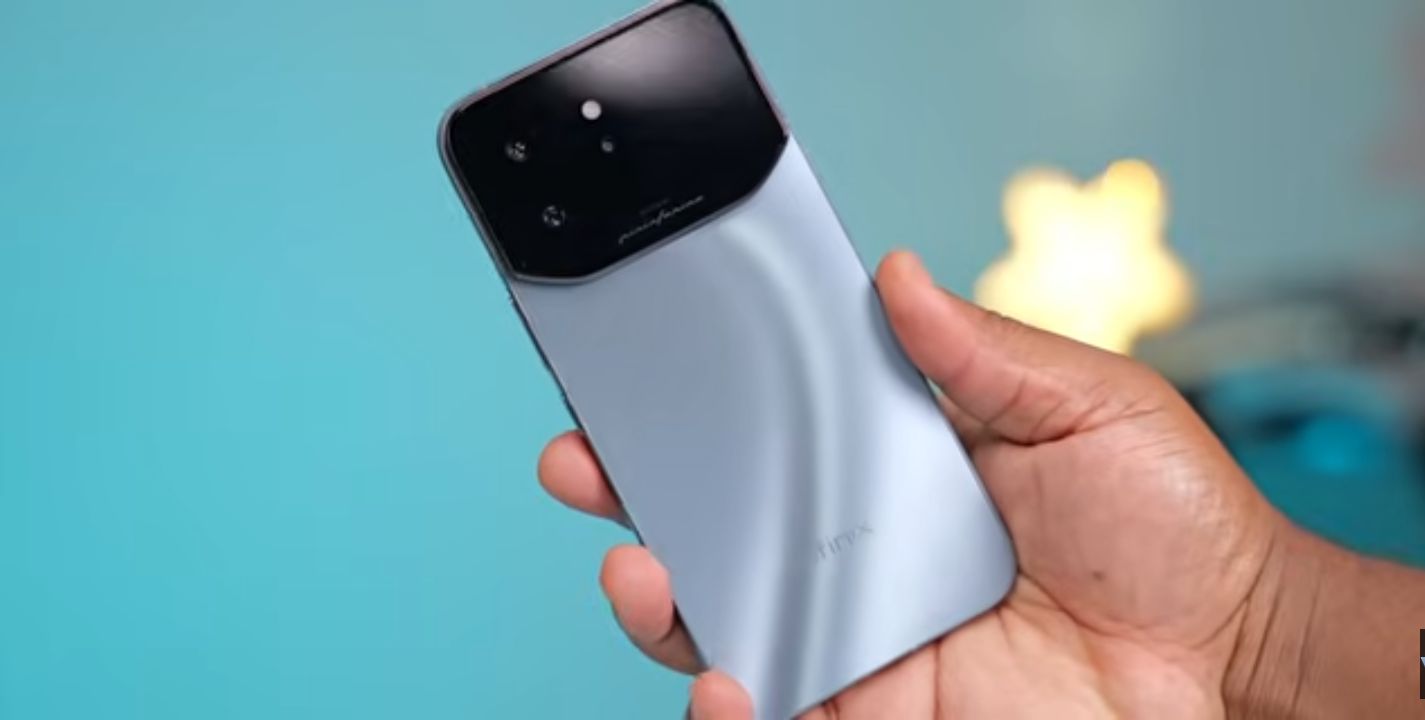
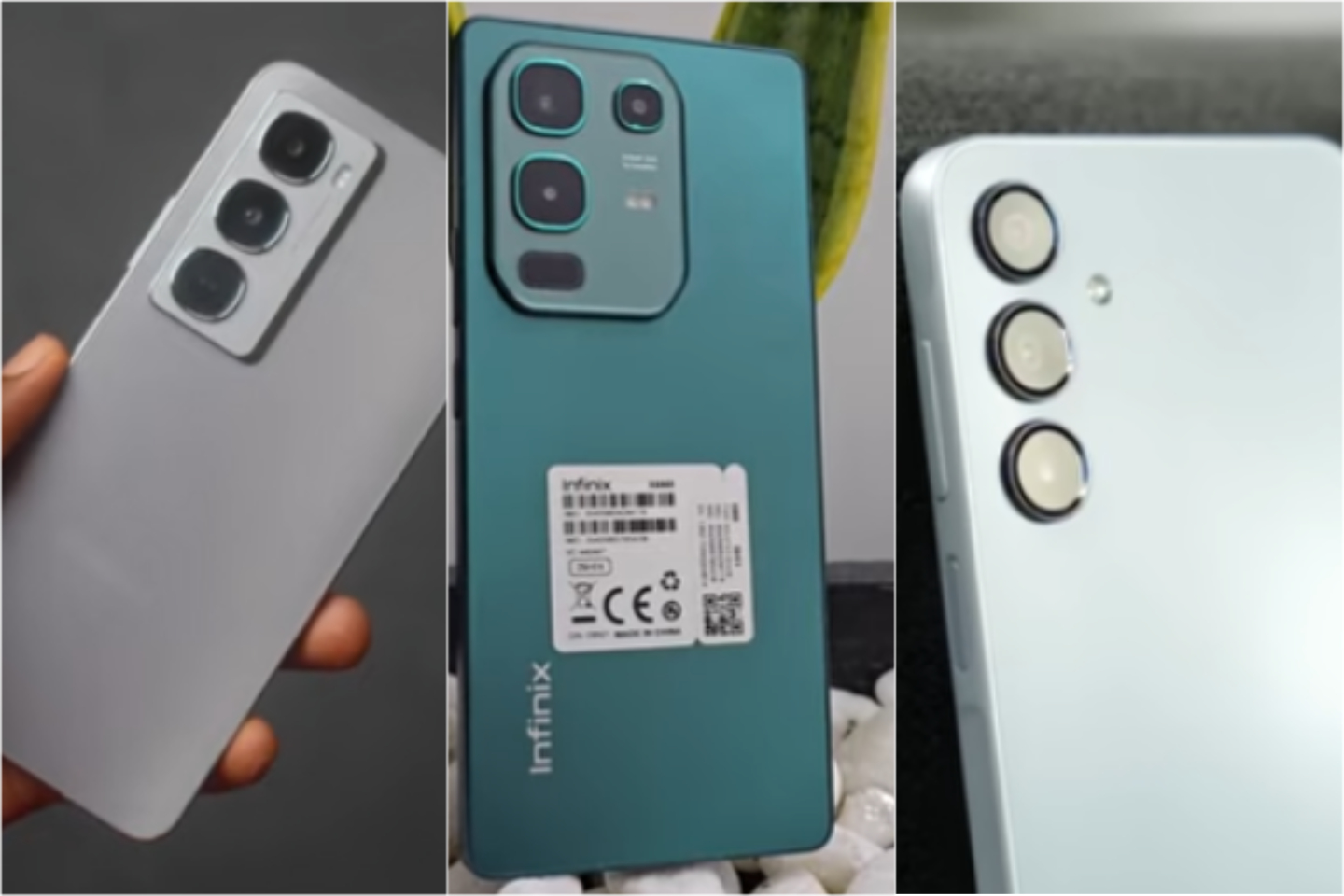
This is the phone that changes the conversation. Infinix’s Pininfarina-designed flagship-killer is the fastest wireless charger on this entire list, Samsung included. It runs a 7,000mAh battery with 100W wired charging and 50W wireless charging, plus reverse wired and reverse wireless charging for topping up earbuds or another phone. Hitting that 50W ceiling requires Infinix’s magnetic accessory — the global retail bundle ships with a distinctive car-shaped magnetic charging pad, though bundle contents can vary by market and retailer, so confirm exactly what’s in the box before buying locally. At roughly ₦578,000–₦630,000 new via Jumia and Infinix’s own Nigeria storefront, it undercuts every Samsung wireless option on this list while out-speccing all of them on raw wireless wattage. If charging speed matters more to you than brand ecosystem, this is the one to check first, and our phones with the fastest charging in 2026 piece goes deeper into how it stacks up on wired speed too.
Tecno Spark 40 Pro+ — Wireless Charging Under ₦300,000
At around ₦275,000, this is by far the cheapest phone on this list with genuine wireless charging, and it’s confirmed sold in Nigeria at that price. The Spark 40 Pro+ packs a 5,200mAh battery, 45W wired charging, and 30W magnetic wireless charging, according to Tecno’s own spec sheet. As with the Note 60 Ultra, the word “magnetic” matters here: you get the full 30W only when using the magnetic case Tecno bundles in the box, since the coil-to-magnet alignment is what unlocks the higher wattage. Use a different case, or none at all, and it behaves like a slower standard Qi device. It’s still a genuinely useful feature at this price point, and it pairs with the kind of charging behavior we cover in our bypass charging and gaming phones guide, since the Spark 40 Pro+ also supports bypass charging for extended gaming sessions.
Samsung Galaxy S24 FE — Still Worth It on the Used Market
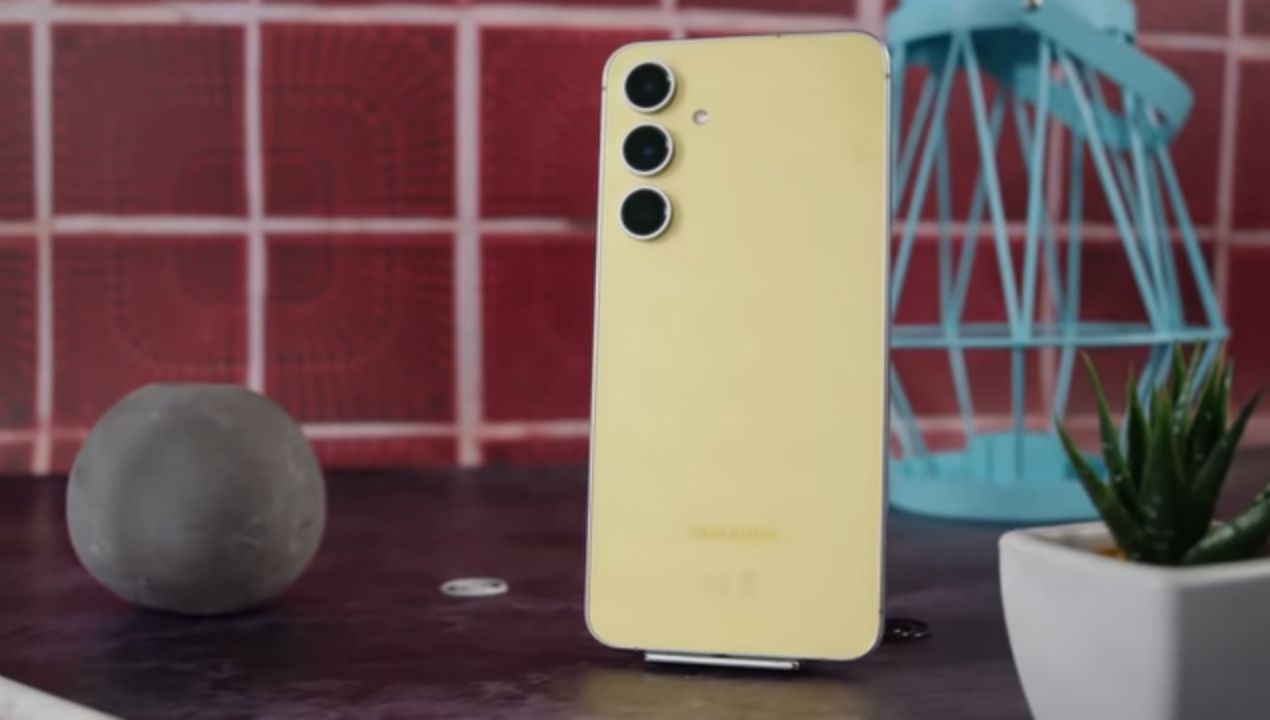
The S24 FE remains one of the more commonly available Samsung flagships on Nigeria’s foreign-used circuit, and its charging specs are well documented: 25W wired, 15W wireless, plus reverse wireless charging that lets you top up a Galaxy Watch or Buds directly off the back of the phone. Prices swing wildly depending on condition and where you buy — Jiji and Jumia listings for the S24 FE have ranged from roughly ₦550,000 for a lower-mileage foreign-used unit to over ₦1,000,000 for sealed new stock, so always confirm battery health and IMEI status before paying, particularly around Computer Village and Wuse Market where screen swaps and reused Google accounts are a known scam pattern.
Samsung Galaxy S24 and S25 (Standard) — Premium Choice
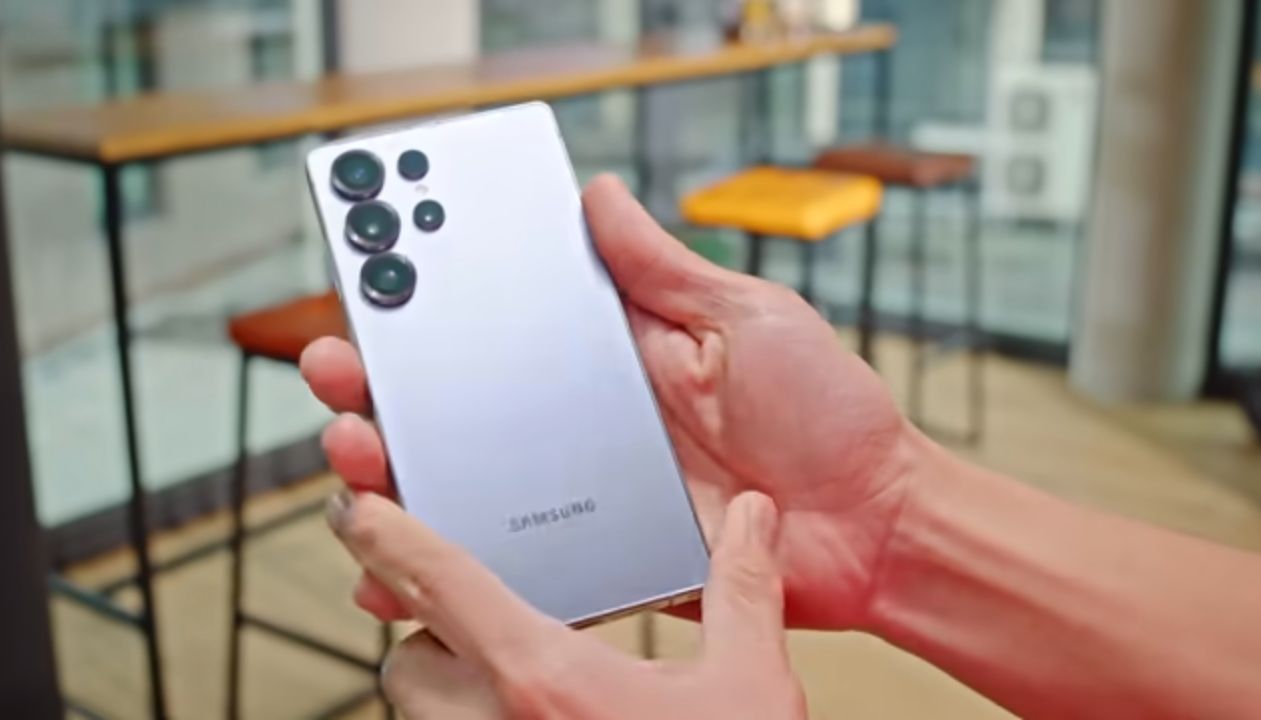
If you want the true flagship experience and don’t mind paying for it, the standard S24 and S25 both support 15W wireless charging — the same ceiling as the FE line — but pull ahead on processor, build quality, and camera performance. Wireless speed isn’t the reason to pick these over the FE models; the appeal is everything else around it. These pair well with the camera adjustments covered in our Samsung camera settings guide, and if low-light shooting matters more to you than charging speed, it’s worth reading that alongside our best phones for night photography roundup before deciding between models.
Google Pixel 9a — Wireless Charging on a Budget, If You Can Import It
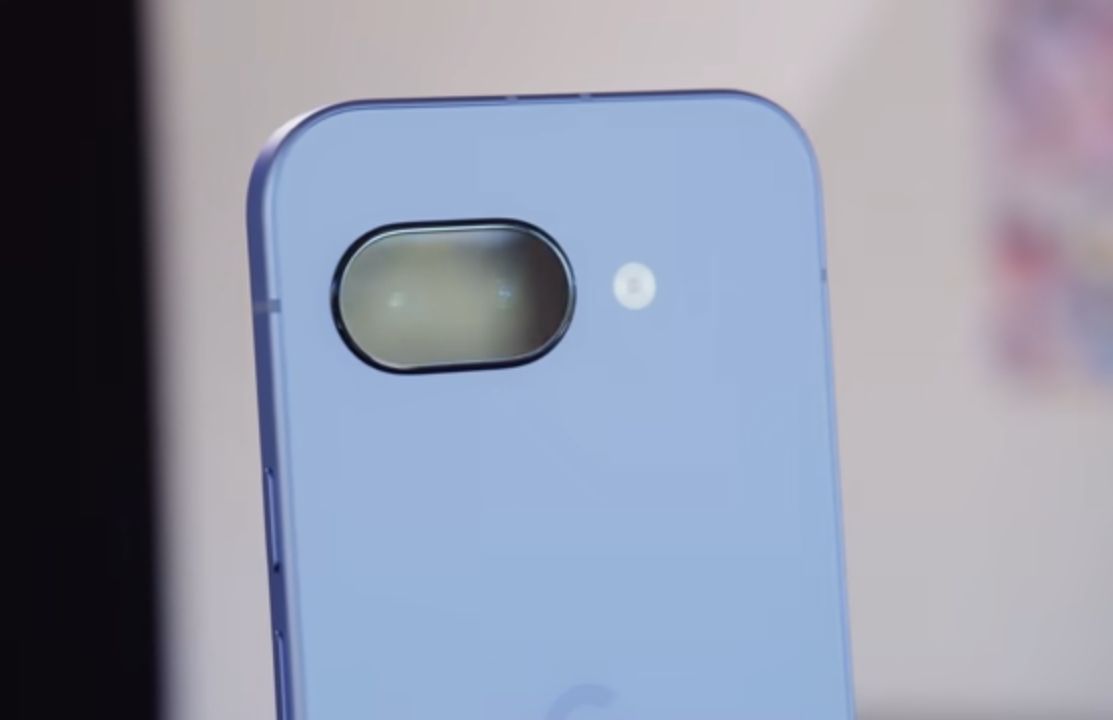
Google doesn’t officially sell Pixels in Nigeria, so every unit here comes through independent importers or diaspora shipments, usually via UK or US retail channels. That caveat aside, the Pixel 9a supports 7.5W Qi wireless charging alongside a 5,100mAh battery — the largest of any A-series Pixel so far — and a claimed 23W wired charging speed. That 23W figure only applies if you’re using a PPS (Programmable Power Supply) USB-PD charger; a standard USB-C charger will still charge the phone, just noticeably slower, so don’t assume any charger in your drawer will hit Google’s advertised number. It’s a slower wireless speed than Samsung’s options, but the Pixel’s camera processing is a genuine draw for anyone who read our piece on phones with strong AI photo editing and wants that on a device that also drops onto a charging pad.
Samsung Galaxy S23 (Renewed) — Cheapest Real Wireless Charging
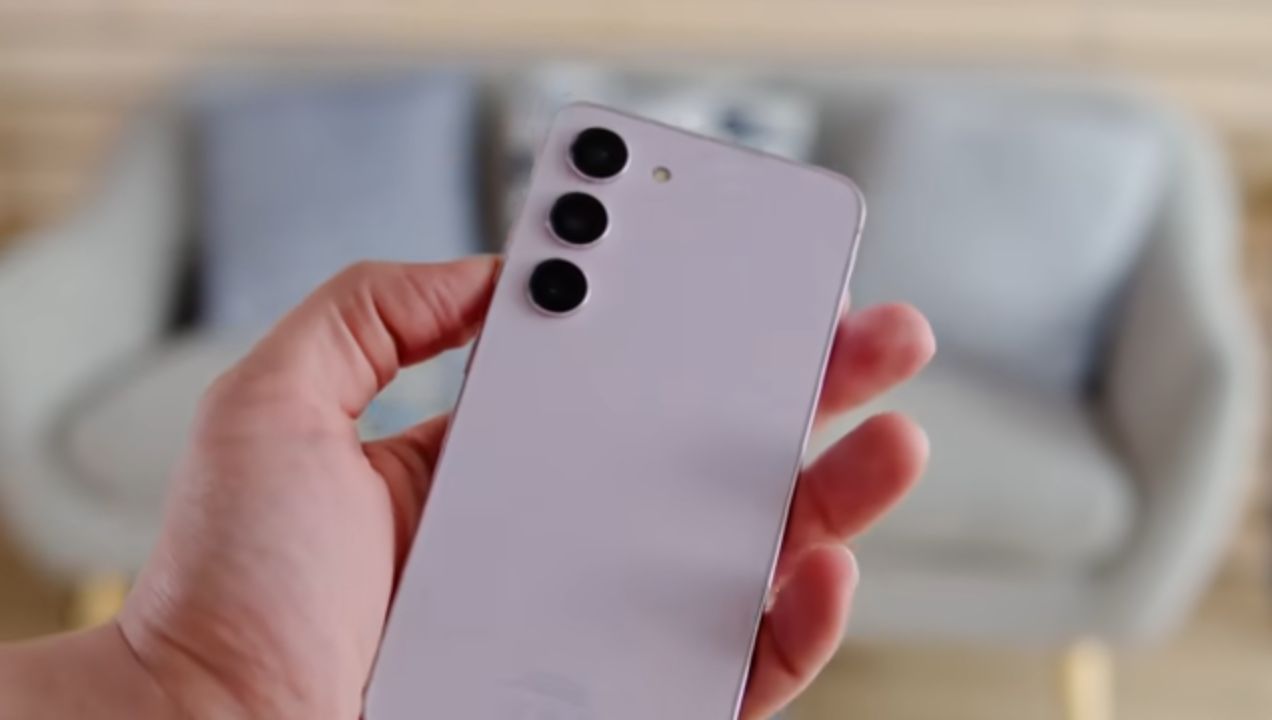
For buyers stretching a tighter budget, a renewed or UK-used Galaxy S23 is currently the most affordable way into genuine 15W wireless charging on a Samsung device, running a Snapdragon 8 Gen 2 chip that still holds up for gaming and daily use. It sits comfortably inside the range covered in our best phones under $500 post, and if you’re weighing it against the Tecno Spark 40 Pro+ covered above, our bypass charging and gaming phones guide explains why flagship-class charging speeds and heavy gaming don’t always mix, regardless of brand.
Infinix Zero Ultra (2023) — A Used-Market Footnote
Before the Note 60 Ultra, this was the only Infinix with real wireless charging, and it’s worth a quick mention for anyone who finds one secondhand. The 2023 Infinix Zero Ultra shipped with 15W wireless charging and reverse wireless charging alongside a 4,500mAh battery and 68W wired charging — genuinely competitive specs for its time, though it’s now well behind the Note 60 Ultra on every metric. It’s no longer sold new, so any unit you find today will be used, and you should treat it the same way you’d treat any used flagship: verify battery health, check for water damage, and confirm it isn’t a repainted or rebadged variant before paying.
Why Most Budget and Mid-Range Phones Still Skip Wireless Charging
It comes down to cost and heat management. Adding a wireless charging coil raises the bill of materials and requires extra internal space and thermal shielding that most budget manufacturers would rather spend on bigger batteries or better cameras — features Nigerian buyers tend to prioritize anyway. That’s why the Note 60 Ultra and Spark 40 Pro+ stand out: they’re deliberate exceptions in lineups where nearly everything else, from the Note 60 Pro to the entire Hot and Smart series, still skips it. Wireless charging is also inherently slower and generates more heat than wired charging at the same wattage, which is part of why even Samsung caps it at 15W on phones that wire-charge at 25-45W. If raw charging speed matters more to you than the cable-free convenience, wired fast charging will almost always outperform wireless on the same device.
Which One Should You Buy?
If you’re skimming rather than reading the whole guide, here’s the short version:
| Category | Pick | Why |
|---|---|---|
| Best overall | Samsung Galaxy S25 FE | Newest hardware, 45W wired, 15W wireless, biggest FE battery yet |
| Best value | Samsung Galaxy S24 FE | Same 15W wireless charging for meaningfully less than the S25 FE |
| Fastest wireless charging | Infinix Note 60 Ultra | 50W wireless outpaces every Samsung on this list, at a mid-range price |
| Best budget pick | Tecno Spark 40 Pro+ | Genuine 30W magnetic wireless charging under ₦300,000 |
| Cheapest genuine wireless charging (used) | Used Samsung Galaxy S23 | 15W wireless on a still-capable chipset |
| Best camera | Google Pixel 9a | Strongest computational photography, if you’re comfortable importing |
Frequently Asked Questions
Does any Tecno or Infinix phone sold in Nigeria right now have wireless charging? Yes, though it’s still the exception rather than the rule. The Infinix Note 60 Ultra (50W) and Tecno Spark 40 Pro+ (30W, via its included magnetic case) both support genuine wireless charging and are sold new in Nigeria today. Nearly every other current model from both brands, including the Note 60 Pro and Phantom V Flip 2, still doesn’t have it, so check the specific model before assuming.
Can I add wireless charging to a phone that doesn’t have it? Yes, using a thin USB-C receiver pad that sits between your phone and its case. These typically deliver 5-10W, are noticeably slower than a built-in coil, and occupy your charging port while in use, so they’re a workaround rather than a real substitute. One extra thing to watch for: the receiver adds thickness to the back of your phone, and many thick or heavily textured cases won’t close properly over it, or will hold it too far from the charging pad’s coil to charge reliably. Slim, flexible TPU cases tend to work best.
Is wireless charging bad for battery health? It generates more heat than wired charging, and heat is the main long-term stressor on lithium batteries. Charging on a cool surface, avoiding phone use while it’s on the pad, and not routinely charging to 100% all help offset this.
Do I need a special charger, or does any Qi pad work? Any certified Qi pad will charge these phones, but speed depends on the pad’s output. A 15W-rated pad is needed to hit Samsung’s advertised wireless speeds; a basic 5W pad will still charge the phone, just slower.
Is wireless charging worth paying extra for in Nigeria, given how much slower it is than wired? It depends on your habits. If you mostly charge overnight or at a desk, the speed difference barely matters and the convenience is real. If you’re someone who tops up in short bursts between tasks, wired fast charging will serve you better.

Comments 0
Leave a comment