Table of Contents
Open Table of Contents
- Best Phones Under ₦120,000 and ₦200,000 in Nigeria (2026)
- Quick Picks — Skip Here If You’re in a Hurry
- What the Sub-₦120k Bracket Looks Like in 2026
- Best Phones Under ₦120,000
- What the Sub-₦200k Bracket Looks Like in 2026
- Best Phones Under ₦200,000 {#under-200k}
- Who Should Buy What
- Where to Buy in Nigeria
- FAQ
Best Phones Under ₦120,000 and ₦200,000 in Nigeria (2026)
Last updated: June 12, 2026. Phone prices in Nigeria shift with exchange rate movements. All prices in this guide reflect Nigerian market listings as of this date — confirm current pricing before purchase.
About this guide: Written by iSamuel, founder of ReviByte. ReviByte covers budget phones, mobile hardware, and practical buying advice for Nigerian users. All models listed here were found in Nigerian retail channels as of mid-2026 — either at Jumia, Slot, or widely stocked local dealers.
Quick Picks — Skip Here If You’re in a Hurry
| Budget | Best Pick | Why |
|---|---|---|
| Best under ₦120k | itel City 100 | IP64 + 1.5m drop tested + 4GB/128GB at ~₦110k |
| Best value under ₦200k | Infinix Note 50 | AMOLED 144Hz + OIS camera + 45W — among the most features per naira at this price |
| Best display | Infinix Note 50 | 6.78” AMOLED 144Hz FHD+ — among the strongest displays available at this price |
| Best long-term use | Samsung Galaxy A16 | Up to six generations of OS updates on select variants, per Samsung’s update policy |
| Best battery | Infinix Hot 60 Pro | 6,000mAh + 45W at ~₦195k |
What the Sub-₦120k Bracket Looks Like in 2026
Phone prices in Nigeria have not come down since the naira repricing of 2023–2025. What used to sit at ₦60,000 now costs ₦100,000–₦120,000 in most stores. That is the market reality going into mid-2026.
The other side of it: competition between Infinix, Tecno, itel, and POCO at this tier has pushed specs upward. Under ₦120,000 today, you can reasonably expect 4GB RAM, 128GB storage, a 5,000mAh+ battery, 18W charging, and — something genuinely new at this price bracket — IP64 dust and water resistance from multiple brands. Two years ago, IP ratings here were rare. Now Tecno and itel both include them as standard on phones in this range.
What you will not find here: 5G, AMOLED, OIS on the camera, or more than two Android OS update cycles. Set those expectations clearly before you walk into a store.
Best Phones Under ₦120,000
1. itel City 100 — ~₦110,900 (4GB/128GB)
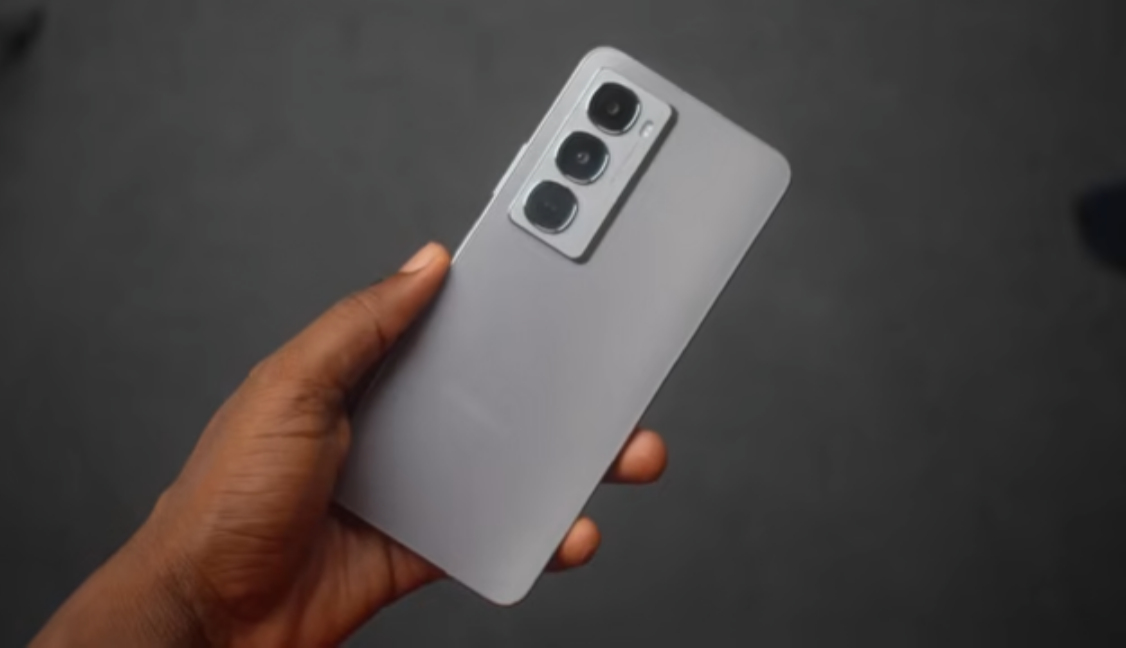
The City 100 is among the slimmest phones at this price point. Available in Navy Blue, Pure Titanium, and Fairy Purple. The 7.65mm body is a genuine differentiator at sub-₦120k.
The itel City 100 is one of the most complete options under ₦120,000 in Nigeria right now. Three things earn it the top spot in this category.
Build durability. According to manufacturer specifications and multiple Nigerian retail listings, the City 100 carries an IP64 rating (dust-tight, splash-resistant) and has been tested to withstand 1.5-metre drops. At ~₦110,900, that combination is unusual — most phones at this price skip protective ratings entirely.
Storage configuration. 4GB RAM and 128GB storage at this price is the strongest base configuration in this bracket. Per manufacturer specifications, the storage uses the UFS standard rather than the slower eMMC still common at this tier, which means faster app loading in practice.
Charging speed. 18W on a 5,200mAh battery is solid for this price range. Based on manufacturer data and user feedback from Nigerian tech publications, the full charge time sits under two hours — meaningfully faster than the 10–15W options still common near this price.
The trade-offs are real. The Unisoc T7250 processor handles everyday tasks — WhatsApp, banking apps, Instagram, music — without complaint, but it has no headroom for sustained gaming or heavy multitasking. The 13MP camera is functional for social media and documents in daylight; low-light performance is average. And the phone ships on Android 14, one version behind most current competition.
One thing worth knowing: some listings for the City 100 show a 6GB RAM variant — check the listing carefully, as that configuration offers even more headroom for multitasking at a slightly higher price.
Specs per itel official documentation and local store pricing: Unisoc T7250 (12nm), 6.75” IPS LCD 90Hz HD+, 700 nits peak brightness, IP64 + 1.5m drop tested, 5,200mAh, 18W charging, 13MP rear + 8MP front, 4GB or 6GB RAM / 128GB storage, Android 14, microSD expandable
Where to buy: Slot, Jumia, 3CHub — from ~₦110,900 (4GB/128GB)
2. Tecno Pop 10 — ₦103,300 (3GB/64GB)
The Tecno Pop 10’s spec sheet is not the strongest at this price. 3GB RAM and 64GB storage is the genuine limitation — apps fill 64GB faster in 2026 than most buyers expect, and 3GB means the OS will manage background processes aggressively.
So why recommend it? Because Tecno has the widest authorised service network of any brand in this guide, with centres across Lagos, Abuja, Kano, Ibadan, Enugu, Port Harcourt, and many smaller cities. For buyers outside major cities who need reliable after-sales access when something goes wrong — that matters more than a benchmark number.
The IP64 rating is the other reason. Per Tecno’s official spec sheet and Nigerian retail listings, the Pop 10 carries the same dust and splash protection as phones costing ₦40,000–₦50,000 more.
One clear recommendation: The 3GB/128GB variant at ₦117,600 is meaningfully better value than the base 3GB/64GB. The extra 64GB costs ₦14,300 and removes the storage anxiety that will otherwise frustrate you within a year. If ₦117k is within reach, buy that version.
For buyers in markets, on construction sites, or anywhere dust and occasional rain are daily realities, that protection has real daily value.
Specs per Tecno official documentation and retail pricing data: Unisoc T7250 (12nm), 6.67” IPS LCD 120Hz, IP64, 5,000mAh, 15W charging, 13MP + QVGA rear, 5MP front, 3GB/64GB (base) or 3GB/128GB, Android 15/HiOS 15, microSD expandable
Where to buy: Slot, Jumia, Tecno experience centres nationwide — from ₦103,300 (base); ₦117,600 (128GB variant)
3. POCO C71 — ~₦104,900 (4GB/128GB)
The POCO C71 offers the best raw specs-per-naira in this price range: 4GB RAM, 128GB storage, and a MediaTek Helio G81 processor — a step above the Unisoc T7250 in the itel and Tecno options — all for around ₦104,900 on Jumia.
The Helio G81 gives the C71 slightly better sustained performance and smoother multitasking compared to the T7250. The difference is not dramatic in daily WhatsApp and Instagram use, but it shows when you have multiple apps running or are loading larger games.
The limitation to know clearly: POCO’s authorised service infrastructure in Nigeria is thin, concentrated primarily in Lagos. If you have a hardware issue outside Lagos after the Jumia return window, resolution will likely require shipping the phone, which adds time and uncertainty. This is not a reason to avoid the phone — it is a reason to factor it into your decision depending on where you live.
Specs per POCO official documentation and Jumia Nigeria listing: MediaTek Helio G81 (12nm), 6.74” IPS LCD 90Hz HD+, 5,000mAh, 18W charging, 50MP + QVGA rear, 8MP front, 4GB/128GB, Android 15/MIUI for POCO, microSD expandable
Where to buy: Jumia, Computer Village, select Slot locations — from ~₦104,900
4. Infinix Smart 10 — ~₦89,000 (4GB/64GB)
The sub-₦90,000 option for buyers who genuinely cannot stretch higher. Most phones at this price still ship with 2GB RAM — a configuration that is untenable in 2026. The Smart 10’s 4GB RAM avoids that problem.
The Unisoc T7250 handles calls, WhatsApp, and basic social media without complaint. The 5,000mAh battery provides full-day use for moderate users. The 10W charging is the slowest in this guide — expect three-plus hours for a full cycle — so this is a phone you charge overnight, not one you top up in short windows.
Camera is 8MP front and rear: functional for WhatsApp profile photos and document scanning, nothing more. Manage that expectation honestly and the Smart 10 delivers reliable basic performance for ₦89,000.
Specs per Infinix official documentation and market listings in Nigeria: Unisoc T7250 (12nm), 6.6” IPS LCD 90Hz, 5,000mAh, 10W charging, 8MP rear + 8MP front, 4GB/64GB, Android 15 Go/XOS 15, microSD expandable
Where to buy: Slot, Jumia, 3CHub — from ~₦89,000
Under ₦120k: Full Comparison
| Phone | Price | RAM/Storage | Battery | Charging | IP Rating | Standout |
|---|---|---|---|---|---|---|
| itel City 100 | ~₦110,900 | 4GB/128GB UFS | 5,200mAh | 18W | IP64 + 1.5m drop | Best build + storage combo |
| Tecno Pop 10 | ₦103,300 | 3GB/64GB | 5,000mAh | 15W | IP64 | Best service network |
| POCO C71 | ~₦104,900 | 4GB/128GB | 5,000mAh | 18W | — | Best chip at price |
| Infinix Smart 10 | ~₦89,000 | 4GB/64GB | 5,000mAh | 10W | — | Only reliable sub-₦90k |
Specs sourced from manufacturer documentation and Nigerian retail listings (Jumia Nigeria, Slot, NaijaTechGuide) as of June 2026. Prices fluctuate — confirm before purchase.
What the Sub-₦200k Bracket Looks Like in 2026
This is where phones become genuinely good. At ₦200,000, AMOLED displays, 8GB RAM, 256GB storage, and 45W charging all become achievable in the same device. The competitive pressure between Infinix, Tecno, and Samsung at this tier has been good for Nigerian buyers — the spec floors have moved up significantly since 2024.
What still does not happen here: 5G in most cases, OIS on the camera (with one exception below), or IP68 full waterproofing. Some phones carry IP54; none reach IP68.
Best Phones Under ₦200,000 {#under-200k}
1. Infinix Note 50 — ~₦165,000–₦185,000 (8GB/256GB)
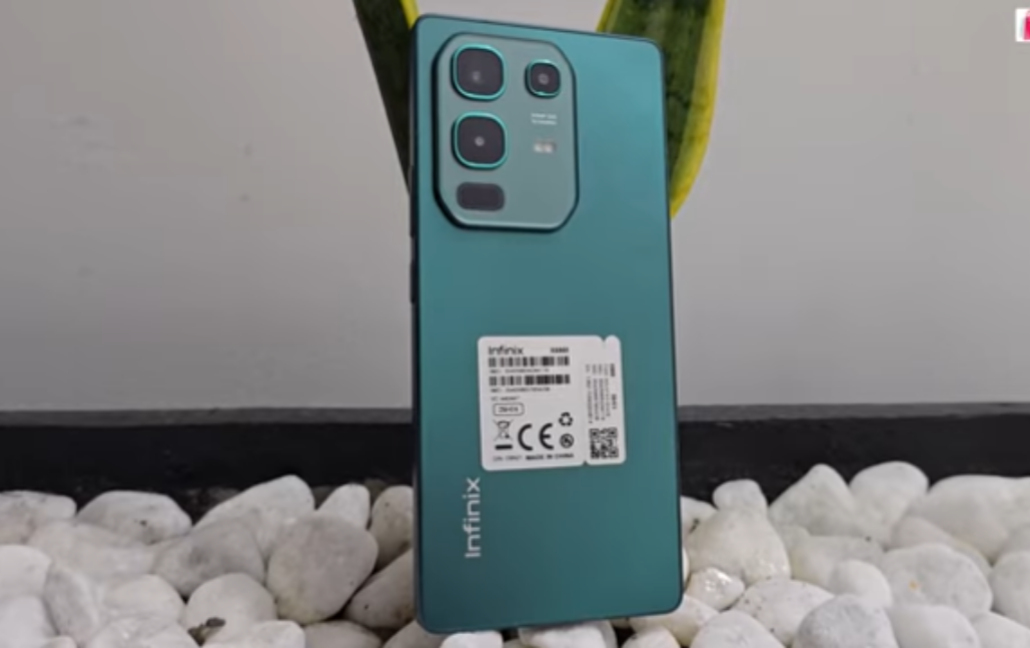
The Note 50’s 6.78-inch AMOLED at 144Hz is the clearest display upgrade available under ₦200k in Nigeria. For content consumption — YouTube, Netflix, reading — the difference versus IPS is immediately visible.
The Infinix Note 50 is one of the strongest value options under ₦200,000 in Nigeria in mid-2026. The 6.78-inch AMOLED display at 144Hz and FHD+ resolution is listed across the official Jumia product page and local store pricing data. At this tier, that display quality is genuinely rare — most phones under ₦200k still use IPS LCD.
The Helio G100 Ultimate on 6nm handles daily tasks comfortably. 8GB RAM and 256GB storage means apps load quickly and the phone has headroom for multitasking without the OS killing background processes. The 50MP main camera with OIS — optical image stabilisation, listed on the Note 50 in manufacturer specifications — is notable at this price. OIS makes a practical difference in video recording and low-light stills; it is not common in this budget category.
The 5,200mAh battery with 45W charging is the same specification as several phones in the ₦150k range, which shows how competitive the Note 50’s pricing is for what it offers.
One important clarification for buyers: the Infinix Note 50 Pro and Pro+ are different, more expensive phones (₦300,000+). This pick is the base Note 50 — verify the model number when buying to ensure you are getting what you paid for.
Specs per Infinix official documentation and retail pricing data: MediaTek Helio G100 Ultimate (6nm), 6.78” AMOLED 144Hz FHD+, 1,300 nits peak brightness, 5,200mAh, 45W charging, 50MP with OIS + 2MP rear, 32MP front, 8GB/256GB, Android 15/XOS 15, microSD expandable
Where to buy: Slot, Jumia, 3CHub, Royalline — from ~₦165,000–₦185,000
2. Tecno Spark 40 Pro — ~₦185,000 (8GB/256GB)
The Tecno Spark 40 Pro is the durability-first pick in this category. It carries IP64 dust and splash resistance alongside a drop resistance certification — both listed in Tecno’s official product documentation. At under ₦200k, that physical protection package is unusual.
The upgrade over the base Spark 40 is meaningful: 8GB RAM instead of 4GB, a 50MP front camera for video calls and selfies, and the same MediaTek Helio G99 on 6nm that the Samsung Galaxy A07 4G uses. Real stereo dual speakers carry through from the base model.
45W charging on a 5,200mAh cell gets you to approximately 50% in around 30 minutes — consistent with manufacturer charging data published for the Spark 40 series.
The trade-off against the Note 50 is clear: the Spark 40 Pro uses IPS LCD rather than AMOLED, and the camera system — while improved — does not match the Note 50’s OIS setup. What it offers in exchange is a phone built to take physical punishment, with the widest service network in Nigeria behind it.
Specs per Tecno official documentation and local store pricing: MediaTek Helio G99 (6nm), 6.67” IPS LCD 120Hz FHD+, IP64 + drop resistance, dual stereo speakers, 5,200mAh, 45W charging (~50% in ~30 min), 64MP + 8MP rear, 50MP front, 8GB/256GB, Android 15/HiOS 15
Where to buy: Slot, Jumia, Tecno experience centres — from ~₦185,000
3. Samsung Galaxy A16 4G — ~₦172,000 (6GB/128GB)
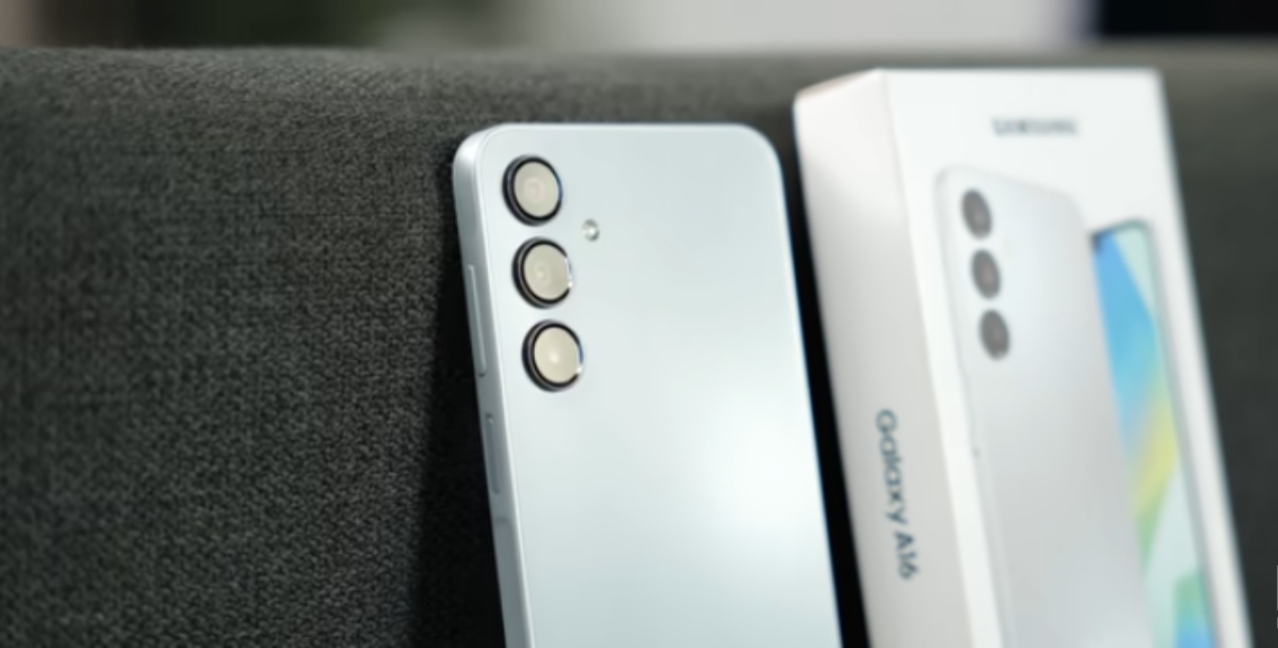
The A16 4G does not lead on raw specs. It leads on time — six years of guaranteed Android updates is a commitment that changes how long this phone stays useful and secure.
Let me be upfront about what the Galaxy A16 4G is not: the strongest spec sheet in this section. The Exynos 1330 processor is capable but trails the Helio G100 in the Note 50 on performance. The 6GB/128GB base configuration is behind the 8GB/256GB combos elsewhere at similar or lower prices. The 25W charging is the slowest here.
What it is: the only phone under ₦200k in Nigeria with a long-term software support policy — Samsung has publicly committed to up to six generations of Android OS updates and security patches for the Galaxy A16 series, depending on region. No other brand in this guide at this price makes anything close to that promise. Infinix and Tecno typically list two major OS updates on their budget and mid-range phones.
If you keep a phone for three to four years — which most Nigerian buyers realistically do — software longevity changes the phone’s useful life and eventual resale value in a way that a better chip today does not.
Practical notes: the base 6GB/128GB fills faster than you expect with Samsung’s One UI skin and pre-installed apps. Budget for a microSD card on day one. The phone also ships without a charger in the box — factor in the cost of a 25W Samsung adapter (~₦5,000–₦8,000 from authorised dealers).
The 6.7” AMOLED at 90Hz is consistent with Samsung’s own product page — a sharp, colour-accurate panel for this price tier.
Specs per Samsung official documentation: Exynos 1330 (4nm), 6.7” AMOLED 90Hz FHD+, IP54, 5,000mAh, 25W charging (no charger in box), 50MP + 5MP + 2MP rear, 13MP front, 6GB/128GB, Android 15/One UI 7, up to six generations of Android OS updates and security patches, per Samsung’s stated update policy
Where to buy: Samsung authorised dealers, Slot, Jumia — from ~₦172,000
4. Infinix Hot 60 Pro — ~₦195,000 (8GB/256GB)
The Infinix Hot 60 Pro is the balanced all-rounder at the top of this category — no single dramatic weakness, and the largest battery in the under-₦200k section at 6,000mAh. Combined with 45W charging, that large cell is not a burden: substantial charge is added in short plugged-in windows, and overnight charging from any level is comfortable.
The Helio G99 on 6nm is a proven, power-efficient chip used across several budget and mid-range Android phones — thermally stable in daily use and efficient enough to make the most of a large battery. 8GB RAM and 256GB storage on the Hot 60 Pro is the configuration that handles two to three years of app accumulation and OS growth without storage anxiety.
The 108MP primary camera is worth contextualising honestly: the phone uses pixel binning, so it does not capture at full 108MP in most shooting conditions. Output detail is good and above average for this price bracket, but the marketing number is not what you will get in daily photos. For social media, WhatsApp, and documentation it performs well; for content creation requiring consistent quality, the Note 50’s OIS setup is a better tool.
Specs per Infinix official documentation and local store pricing: Helio G99 (6nm), 6.78” IPS LCD 120Hz FHD+, 6,000mAh, 45W charging, 108MP + 8MP rear, 32MP front, 8GB/256GB, Android 15/XOS 15.1
Where to buy: Slot, Jumia, 3CHub — from ~₦195,000
Under ₦200k: Full Comparison
| Phone | Price | RAM/Storage | Battery | Charging | Display | Standout |
|---|---|---|---|---|---|---|
| Infinix Note 50 | ~₦165k–₦185k | 8GB/256GB | 5,200mAh | 45W | 6.78” AMOLED 144Hz | Strongest display + OIS camera |
| Tecno Spark 40 Pro | ~₦185,000 | 8GB/256GB | 5,200mAh | 45W | 6.67” IPS 120Hz | IP64 + drop cert |
| Samsung Galaxy A16 4G | ~₦172,000 | 6GB/128GB | 5,000mAh | 25W | 6.7” AMOLED 90Hz | Long-term OS support policy |
| Infinix Hot 60 Pro | ~₦195,000 | 8GB/256GB | 6,000mAh | 45W | 6.78” IPS 120Hz | Largest battery |
Specs per manufacturer documentation and retail pricing data as of June 2026. Prices vary — confirm before purchase.
Who Should Buy What
| Your Priority | Best Pick | The Reason |
|---|---|---|
| Best all-rounder under ₦120k | itel City 100 | 4GB/128GB + IP64 + 1.5m drop protection in one package |
| Widest service network | Tecno Pop 10 | Tecno has the broadest authorised service presence in Nigeria |
| Best raw specs under ₦110k | POCO C71 | Strongest chip + 4GB/128GB at the price |
| Tightest budget (sub-₦90k) | Infinix Smart 10 | The only reliably complete option under ₦90k |
| Best display under ₦200k | Infinix Note 50 | 6.78” AMOLED 144Hz — among the strongest panels at this price |
| Best long-term OS support | Samsung Galaxy A16 4G | Long-term update policy; up to six generations per Samsung’s stated commitment |
| Most durable under ₦200k | Tecno Spark 40 Pro | IP64 + drop-tested build + real dual speakers |
| Best battery under ₦200k | Infinix Hot 60 Pro | 6,000mAh + 45W — biggest cell in this category |
Where to Buy in Nigeria
Slot is the most consistent choice for buyers who want no post-purchase surprises. Prices run ₦5,000–₦15,000 above open market on most models, but the warranty process is reliable and they will not dispute a defective unit during the coverage period.
Jumia fulfilled listings — specifically listings marked “Sold by Jumia” or from verified brand stores on the platform — are trustworthy. Jumia’s return window works. Third-party Jumia sellers are more variable; read seller ratings and reviews before checking out.
Computer Village (Lagos) offers real savings — sometimes ₦10,000–₦25,000 on popular models — but requires you to do the inspection work yourself. Check the IMEI against the box. Verify storage reads correctly in settings. Run the display for dead pixels. Test charging speed if you have a USB tester. Do not skip this; returned units and spec-swapped boxes exist.
Jiji secondhand listings follow the same principle as Computer Village: the savings are real and the due diligence is entirely on you. The Spark 40 Pro has been spotted under ₦155,000 from reputable Jiji sellers with original box and accessories intact.
FAQ
Is ₦120,000 enough for a good phone in Nigeria in 2026?
Yes, with calibrated expectations. At this budget you get a reliable daily driver — 4GB RAM, 128GB storage, IP64 dust and splash protection, and 18W charging are all achievable. What you do not get: AMOLED, 5G, a strong camera in low light, or more than two Android OS update cycles from most brands.
Which brand has the best after-sales support in Nigeria?
Tecno and Samsung both maintain wide authorised service networks. For buyers outside Lagos and Abuja, Tecno’s physical reach is the broadest — they have service centres in cities that itel, POCO, and Infinix do not consistently cover. Samsung is second for national coverage; their authorised dealer and service network is well established in major cities.
Are the IP ratings on itel and Tecno phones genuine?
Yes. IP64 is a verifiable international standard — not a self-certified marketing claim. Both brands publish IP64 in their official product documentation, and the rating is consistent across Nigerian retail listings for these models. What IP64 means in practice: dust-tight and splash-resistant. It is not submersion-proof — do not drop these phones in water.
Does 5G matter in Nigeria right now?
In mid-2026, 5G coverage is concentrated in specific zones of Lagos, Abuja, and Port Harcourt. Outside those zones your phone runs on 4G LTE regardless of 5G capability. If you plan to keep a phone four or more years and live in or near one of those cities, it is worth factoring in — but no phone in this guide supports 5G. The most affordable confirmed 5G options in Nigerian stores (such as the Samsung Galaxy A16 5G) sit above ₦250,000 at most outlets.
What is the real difference between the itel City 100 and the POCO C71?
Both offer 4GB/128GB storage and 18W charging at similar prices. The POCO C71 has a stronger processor (Helio G81 vs Unisoc T7250) and a 50MP main camera. The itel City 100 has IP64 plus 1.5m drop protection and a slimmer 7.65mm build. Performance and camera: POCO. Physical durability and protection: itel. After-sales support outside Lagos: Tecno edges both; then itel; then POCO.
How reliable is Samsung’s long-term update promise for the Galaxy A16?
Samsung has publicly stated a policy of up to six generations of Android OS updates and security patches for the Galaxy A16 series. This is a stated policy, not an independent guarantee — actual delivery depends on Samsung honouring it over time. That said, Samsung has a strong track record of following through on update commitments for its A-series devices, which is more than can be said for most brands at this price point in Nigeria.
Can I expand storage on all these phones?
Yes — every phone in this guide has a dedicated microSD card slot that works alongside dual SIM. You do not have to choose between a second SIM and extra storage on any of these models.
All prices reflect Nigerian market listings as of June 2026 — Jumia, Slot, and local retail data. Prices shift with exchange rate movements and promotions; treat figures here as baselines and confirm before purchase. Specs are drawn from official manufacturer documentation; verify the exact model variant at point of sale. No affiliate arrangements exist between this guide and any brand or retailer listed.
Related Posts
Comments 0
Leave a comment