Table of Contents
Open Table of Contents
- Overview
- Quick comparison: top foldables in Nigeria right now
- Samsung Galaxy Z Fold 7 — the one to beat
- Samsung Galaxy Z Flip 7 — for people who just want a fun, pocketable phone
- Tecno Phantom V Fold 2 — the value pick that doesn’t feel like a compromise
- What about Google Pixel Fold and Motorola Razr?
- Things nobody mentions before you buy your first fold
- Who should actually buy a foldable phone?
- Frequently Asked Questions
- Final verdict
Overview
Three years ago, telling someone in Computer Village you wanted a foldable phone would’ve earned you a confused stare and a counteroffer for a used iPhone 12. That’s changed. Foldables have quietly gone from “rich person’s toy” to a real, if still pricey, category — and Nigerian buyers now have more legitimate options than just praying a relative brings one back from Dubai.
That said, this isn’t a category where you should buy blind. Hinges fail, screen protectors are consumables not accessories, and “foldable” doesn’t automatically mean “future-proof.” I’ve spent the past few weeks going through current listings, GSMArena spec sheets, and retailer pricing across Lagos and Abuja vendors to put together a guide that’s actually useful for someone spending real money here, not just recycled US tech-blog copy.
Quick comparison: top foldables in Nigeria right now
| Phone | Type | Display (main) | Chipset | Battery | Nigeria price range (₦) |
|---|---|---|---|---|---|
| Samsung Galaxy Z Fold 7 | Book-style | 8.0” Dynamic AMOLED 2X, 120Hz | Snapdragon 8 Elite | 4,400mAh | ₦2,350,000 – ₦3,310,000 |
| Samsung Galaxy Z Flip 7 | Compact flip | 6.9” Foldable Dynamic LTPO AMOLED 2X, 120Hz | Exynos 2500 | 4,300mAh | ₦1,571,000 – ₦1,800,000 |
| Tecno Phantom V Fold 2 | Book-style | 7.85” 2K+ AMOLED, 120Hz | Dimensity 9000+ | 5,750mAh | ₦1,200,000 – ₦1,730,000 |
| Tecno Phantom V Flip 2 | Compact flip | 6.9” AMOLED | Dimensity 9000+ | 4,000mAh | ₦900,000 – ₦1,050,000 |
| Google Pixel 10 Pro Fold | Book-style | 8.0”+ OLED | Google Tensor G5 | ~5,000mAh | ₦2,200,000+ (import, limited stock) |
Prices shift with the dollar, so treat these as a starting point rather than gospel — always confirm with the vendor before transferring money, and factor in whether you’re buying brand new sealed, open-box, or UK/US-used. The spread between vendors for the same Z Fold 7 model alone can be over ₦900,000 depending on storage and whether it’s official Samsung Nigeria stock or grey-market import.
Samsung Galaxy Z Fold 7 — the one to beat
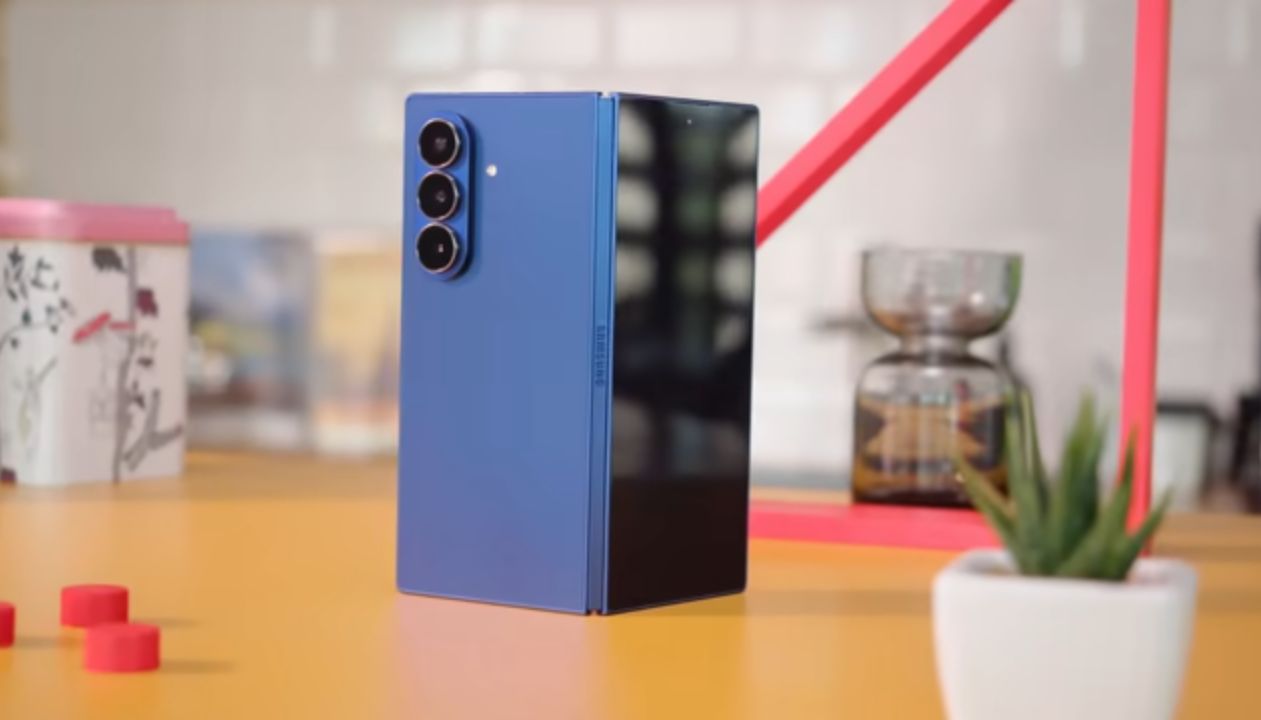
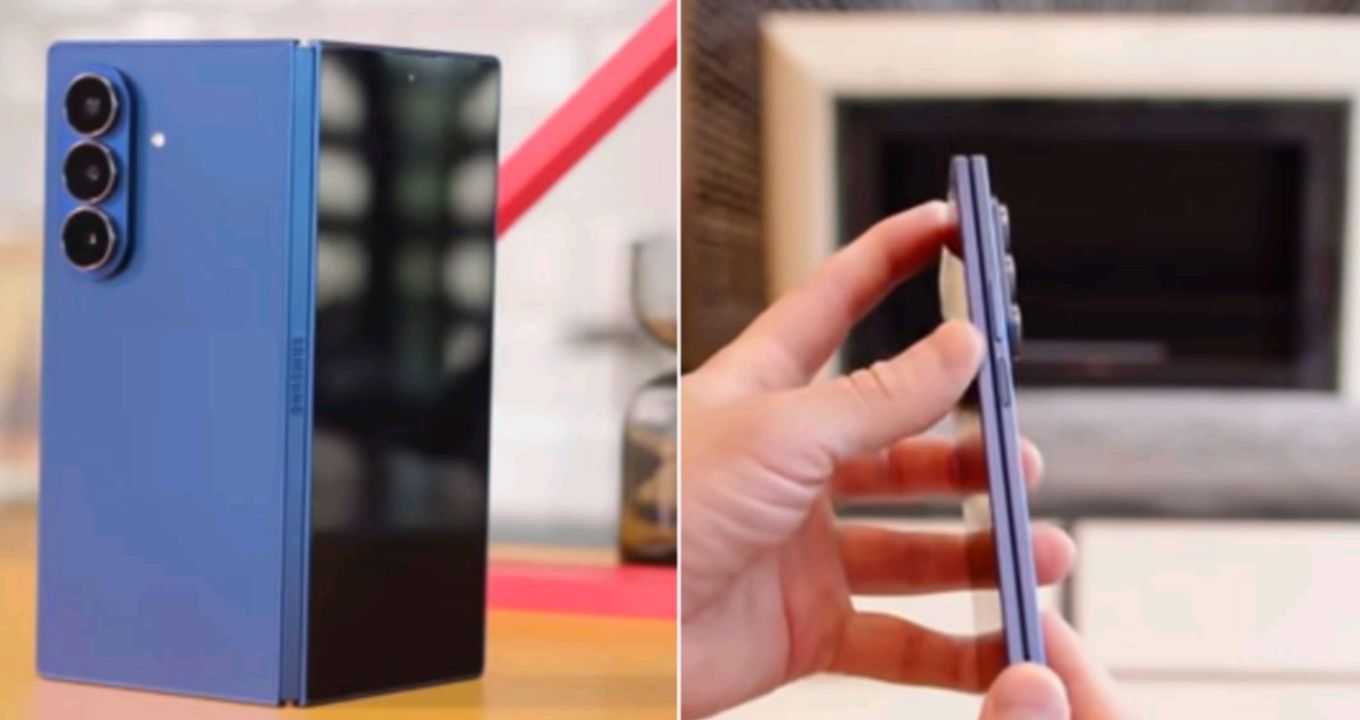
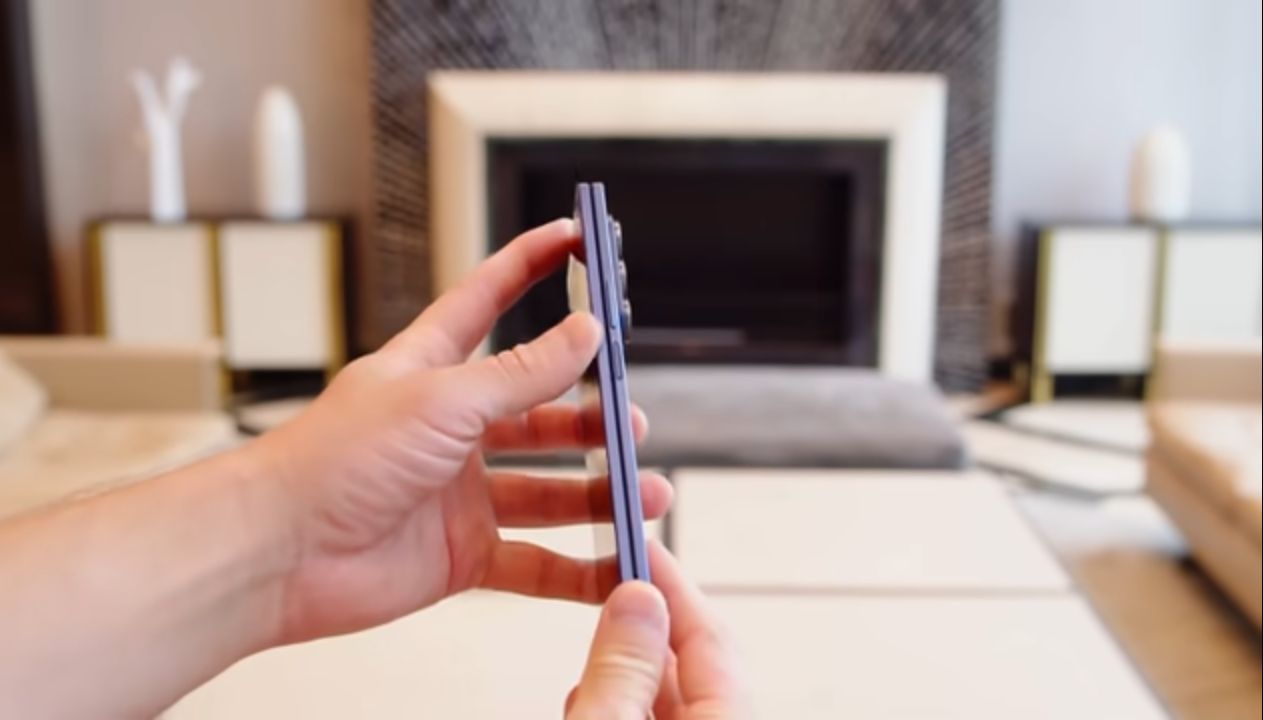
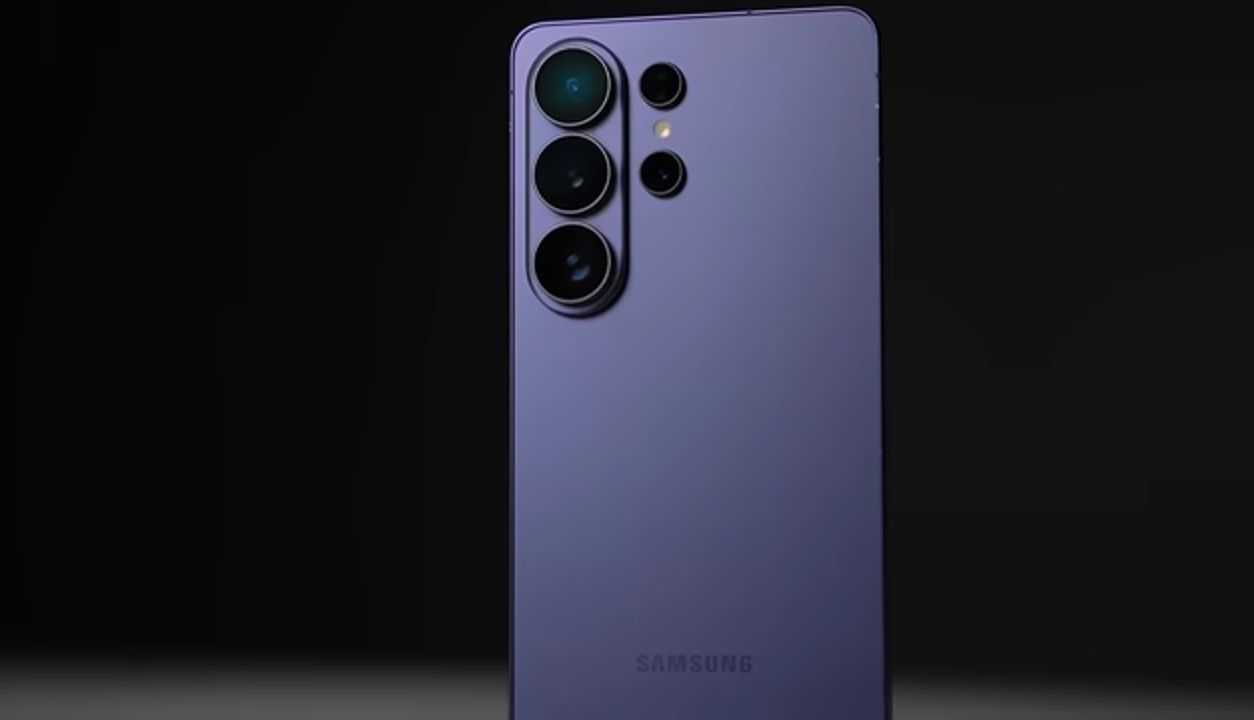
If budget genuinely isn’t the constraint, the Z Fold 7 is still the most complete book-style foldable you can buy in Nigeria this year. Samsung trimmed the thickness down considerably from earlier Fold generations, the 200MP main camera is a real upgrade over the token sensor foldables used to ship with, and the Snapdragon 8 Elite chip handles split-screen multitasking — WhatsApp on one side, a spreadsheet on the other — without the stutter that plagued the Fold 3 and Fold 4.
Where it struggles for the Nigerian context: the IP48 rating covers protection against solid objects and particles larger than 1mm and water immersion up to 1.5 meters, but it isn’t tested against fine dust penetration. That’s exactly the gap that matters during Harmattan, when the dust in the air is far smaller than 1mm and can still work its way into hinge seams over months of daily folding. Samsung’s official service centers for foldable-specific repairs (hinge, inner screen) are also limited outside Lagos and Abuja, so if you’re elsewhere, factor in shipping time and cost if something goes wrong.
Samsung Galaxy Z Flip 7 — for people who just want a fun, pocketable phone
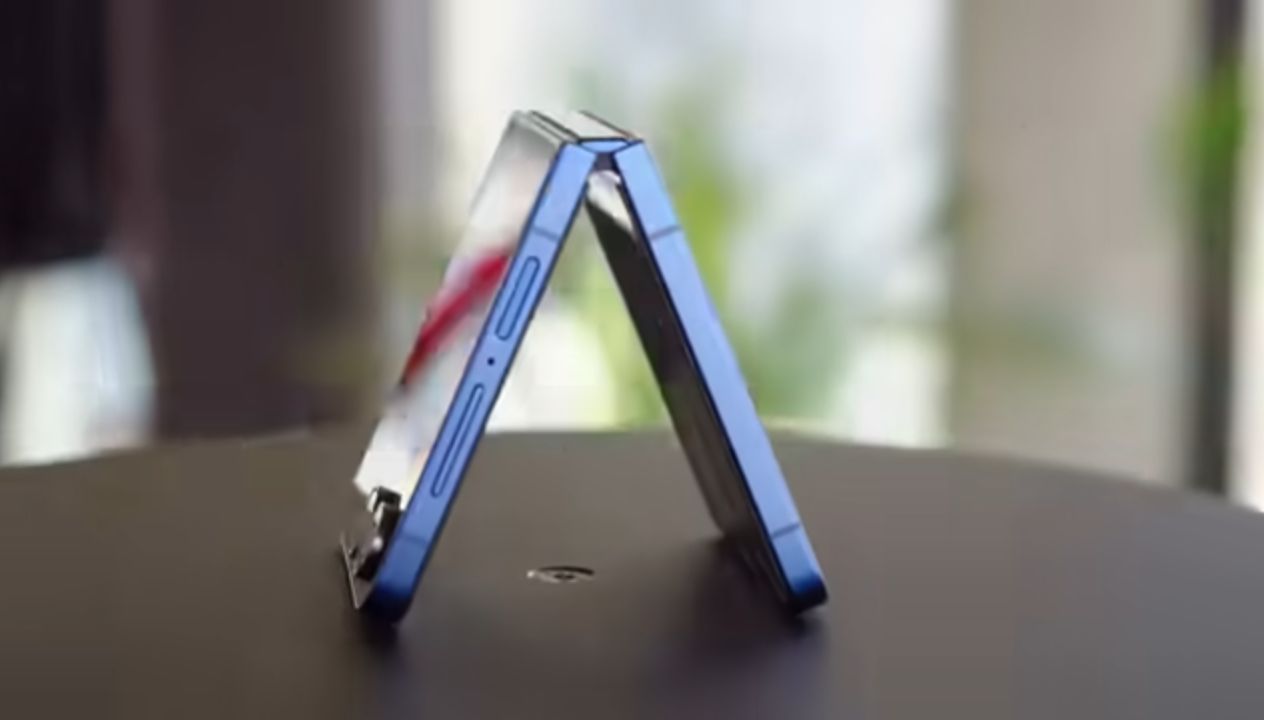
The Flip 7 isn’t trying to replace your work laptop the way the Fold does — it’s a genuinely well-built compact phone that happens to fold in half. The bigger cover screen means you can reply to messages, control music, and check notifications without opening it, which matters a lot if you’re the type constantly checking your phone on okada rides or in traffic. Battery life sits around a full day of moderate use, helped by the larger 4,300mAh cell Samsung squeezed in this generation.
It pairs naturally with anyone who already cares about all-day battery and charging convenience — if that’s you, our guide to the best wireless charging phones in Nigeria is worth a look before you decide between this and a flagship slab.
Tecno Phantom V Fold 2 — the value pick that doesn’t feel like a compromise
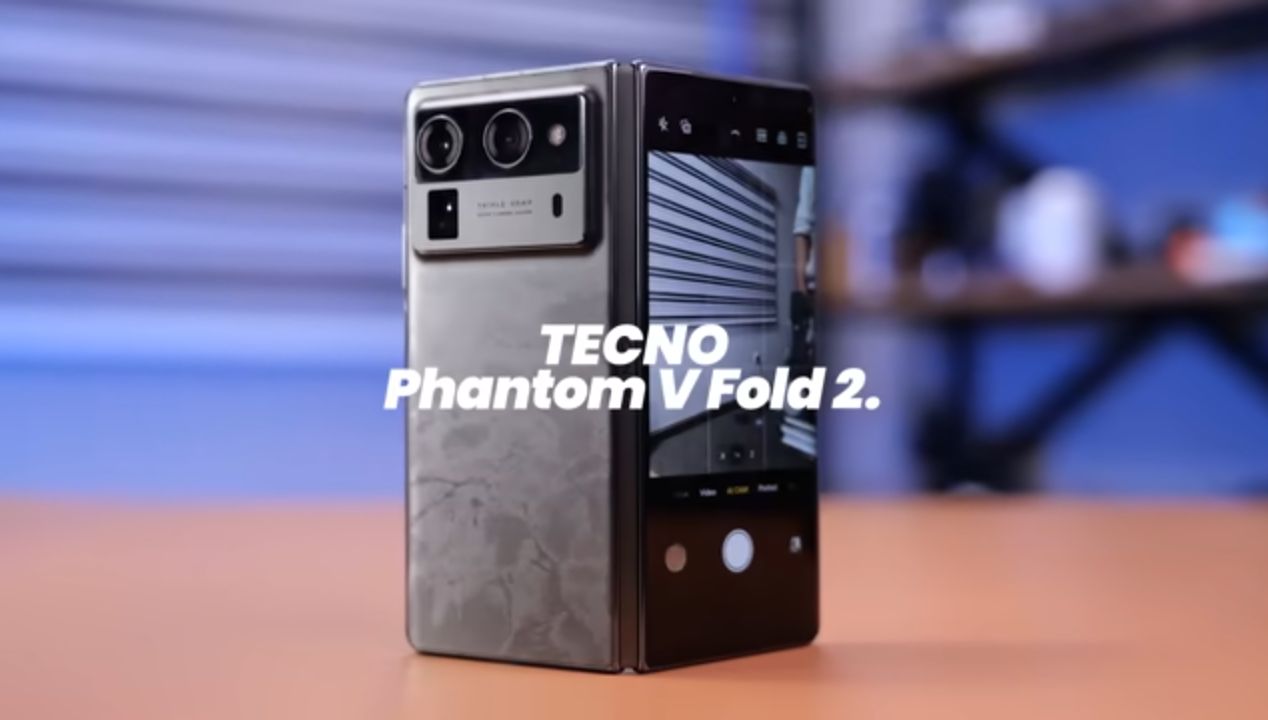
This is the one I’d point most Nigerian buyers toward if the Z Fold 7’s price tag makes you wince. The Phantom V Fold 2 undercuts Samsung’s flagship fold by close to a million Naira in most listings while still packing a genuinely large 5,750mAh battery, 70W wired charging, a 12GB/512GB standard configuration, and a bundled stylus that Samsung charges extra for on the Fold line. The Dimensity 9000+ chipset is a generation behind current flagship silicon, but for browsing, gaming, and productivity it holds up fine.
The catch is software support and resale value — Tecno’s HiOS update cadence isn’t as predictable as Samsung’s, and foldables from brands outside Samsung tend to depreciate faster on the Nigerian resale market. If you’re the kind of buyer who upgrades every two years anyway, that’s less of a concern.
If you’re weighing Tecno against another value-focused brand before deciding, it’s worth reading our Xiaomi phones for Nigeria breakdown too, since Xiaomi’s own Mix Flip has started showing up on import listings as a Flip 7 alternative.
What about Google Pixel Fold and Motorola Razr?
Both exist, both are good phones on paper, and both are genuinely hard to buy new through official channels in Nigeria right now. What you’ll find are import units — usually US or UK spec — sold through independent vendors on Jiji or in Computer Village, often without a Nigeria-honored warranty. That’s not automatically a dealbreaker, but it does mean you’re on your own if the hinge develops the crease-related issues these designs are historically known for. I’d only recommend either if you specifically need the Pixel’s camera processing or the Razr’s compact flip form and you’ve budgeted for the fact that repairs mean shipping the phone out of the country.
Things nobody mentions before you buy your first fold
- Screen protectors are not optional and not standard glass. Foldable inner displays use a soft plastic-polymer layer. Peeling it off “to clean it properly” — something I’ve seen more than one first-time fold owner do — ruins the display. Budget for factory-fitted or authorized third-party protectors only.
- Dust and grit shorten hinge life faster in Nigeria’s climate than in temperate countries. If you’re regularly in Harmattan conditions or near construction dust, wipe the hinge area down often and avoid pocketing the phone with loose sand or coins.
- Resale is a smaller market here. Slab flagships move fast on Jiji and in Computer Village; foldables sit longer because fewer buyers trust a used hinge. If resale value matters to you, that should weigh into your decision as much as the spec sheet.
- Case options are limited locally. Official Samsung cases are stocked reliably; third-party protective cases for Tecno’s foldables or import Pixels/Razrs are much harder to find in Nigerian retail, so you may need to import a case separately.
If raw gaming performance is actually the priority, it’s worth knowing that foldables aren’t built primarily for that job. A dedicated gaming phone running the same Snapdragon 8 Elite chipset as the Z Fold 7 — the RedMagic 10 Pro is the clearest example, and it’s available on the Nigerian resale and import market for a fraction of the Fold’s price — will typically sustain higher frame rates for longer thanks to active cooling and a flat, uninterrupted chassis. What a fold gives you instead is the big-screen multitasking split view, which a slab gaming phone simply can’t replicate. If your budget is tighter and gaming matters more than the fold itself, our gaming phones under $250 guide covers cheaper options worth comparing on their own terms.
For buyers still deciding whether a fold is worth it over a conventional flagship, our best Android phones of 2026 roundup and best phones under $500 guide are good sanity checks — a lot of what a fold gives you (multitasking, big-screen media, strong cameras) can be had on a slab phone for a fraction of the cost if the folding form factor itself isn’t the point for you.
Who should actually buy a foldable phone?
The spec sheet only tells half the story — the other half is whether your day-to-day habits match what a fold is good at. Foldables tend to make the most sense for:
- Professionals who genuinely multitask on their phone — reviewing a document while messaging a client, or running two apps side by side instead of switching back and forth.
- Heavy readers, who benefit from a tablet-sized screen without carrying a separate tablet.
- People who rely on split-screen regularly, not occasionally — the Z Fold 7 in particular earns its price back here.
- Content creators who need the bigger inner display for editing photos or reviewing footage on the go.
And it’s just as fair to say who shouldn’t stretch for one:
- Students on a tight budget — the money goes further on a strong conventional flagship or upper-midrange phone.
- Anyone planning to keep a phone for 5+ years. Modern foldable hinges are much more durable than early generations, but they’re still moving mechanical parts with an additional wear point that conventional slab phones simply don’t have.
- People who frequently drop their phones. A cracked slab screen is a bad day. A cracked foldable hinge or inner display is a much more expensive one.
Frequently Asked Questions
Are foldable phones durable enough for daily use in Nigeria? Modern foldables from Samsung and Tecno are far more durable than the first-generation folds from 2019–2020, with reinforced hinges and IP-rated dust/water resistance. That said, “durable” is relative to a slab phone — hinges are still a mechanical wear point that a solid-body phone simply doesn’t have, and heat, dust, and drops affect them more than they would a regular flagship.
Is the Tecno Phantom V Fold 2 a good alternative to the Samsung Z Fold 7? For most everyday tasks — browsing, social media, productivity, casual gaming — yes, and it costs significantly less in most Nigerian listings. Where Samsung still leads is camera processing consistency, software update longevity, and resale value.
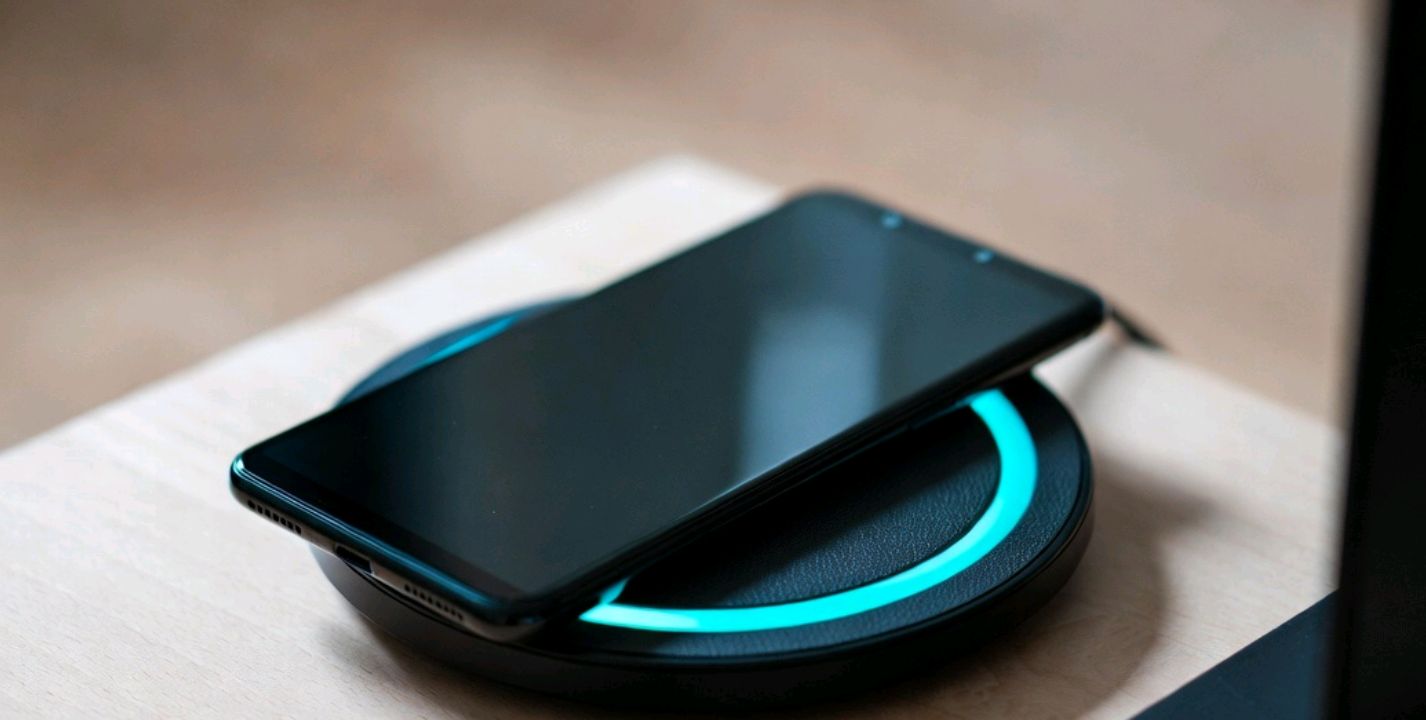
Do foldable phones support wireless charging in Nigeria’s power situation? The Samsung folds do — both the Z Fold 7 and Z Flip 7 support wireless charging alongside their wired fast charging. The Tecno Phantom V Fold 2 does not support wireless charging despite its large battery, so if that feature matters to you, it’s a point in Samsung’s favor. Wired fast charging is still the more practical option day to day if you’re dealing with unpredictable power and need a quick top-up. Check our wireless charging phones guide for how the fastest options actually compare in real-world charging times.
Where can I buy a genuine foldable phone with a real warranty in Nigeria? Official Samsung Nigeria retail partners (Slot, 3CHub, and similar Samsung-authorized stores) are the safest bet for Z Fold and Z Flip models, since they honor Samsung’s local warranty. For Tecno, authorized Tecno stores and Jumia’s official storefront are more reliable than open-market listings claiming “brand new” at suspiciously low prices.
Should I buy a foldable phone as my only/main phone? If you can afford the repair risk and don’t mind the resale trade-offs above, yes — the everyday usability gap between folds and slabs has closed a lot. If you’re budget-conscious or this would be your only phone with no backup, a well-specced conventional flagship or upper-midrange phone is still the safer call.
Final verdict
Foldable phones are no longer experimental gadgets you buy to show off at a party — the hinges are sturdier, the software has caught up, and the cameras no longer feel like an afterthought. If multitasking, portability, and a genuinely larger display matter to your day-to-day, they’re finally mature enough to recommend without heavy caveats. That said, for most Nigerian buyers, a conventional flagship still offers better long-term value, simpler repairs, and stronger resale down the line. The honest advice is this: buy a foldable because you genuinely want the folding experience itself, not because you’re expecting better specs for the money — on a pure price-to-performance basis, a slab flagship will usually win.
Methodology & sources: Pricing and availability were checked against listings from NaijaTechGuide, GSMArena, Jumia Nigeria, Just Fones, Jiji.ng, Ogabassey, and Aura Shop Africa as of July 2026. Specifications were cross-referenced with GSMArena and PhoneArena spec sheets and manufacturer product pages. Naira prices fluctuate with the exchange rate and vary by vendor, storage configuration, and whether the unit is new, open-box, or foreign-used — always confirm current pricing directly with the retailer before purchase.

Comments 0
Leave a comment