Table of Contents
Open Table of Contents
Overview
Every year, some marketing team somewhere insists their phone has “revolutionized mobile photography.” Most years, that’s noise. This year, it’s actually a fair fight. The gap between a phone camera and a proper mirrorless setup has gotten embarrassingly small, and the phones doing it aren’t all six-figure-dollar imports either.
I went through manufacturer spec sheets, GSMArena’s hands-on camera breakdowns, and hands-on write-ups from Digital Camera World for each phone below, then cross-checked the numbers against current Nigerian retail listings rather than just US carrier pricing. If you’ve already read my best Android phones 2026 roundup, think of this as the zoomed-in version, focused purely on glass, sensors, and what comes out the other end when you tap the shutter.
What actually makes a “best camera phone” in 2026
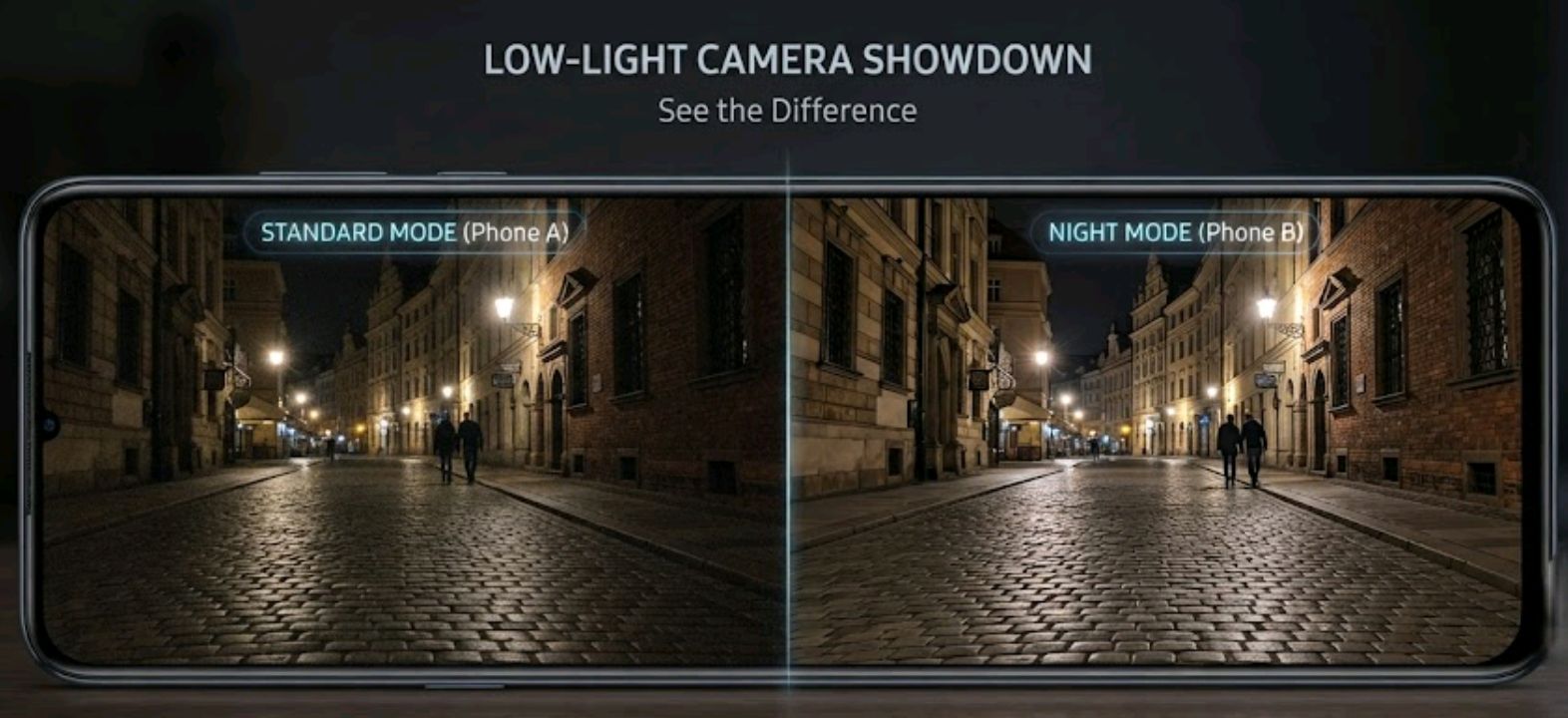
Megapixel counts stopped mattering years ago, but marketing hasn’t caught up. What actually separates a great camera phone from a good one right now is sensor size (bigger physically, not just on paper), how aggressively the processor cleans up night shots without turning your photo into a watercolour painting, and whether the zoom holds up past the phone’s native optical range before software has to start guessing. A few names keep showing up near the top of hands-on testing this year, and they’re not all the usual suspects.
For scoring, I’ve leaned on a mix of sources rather than any single lab: DXOMARK’s published camera tests are one useful data point, but GSMArena’s side-by-side sample comparisons and Digital Camera World’s hands-on reviews are just as important for catching where a spec sheet number doesn’t match real-world results.
The five best camera phones right now
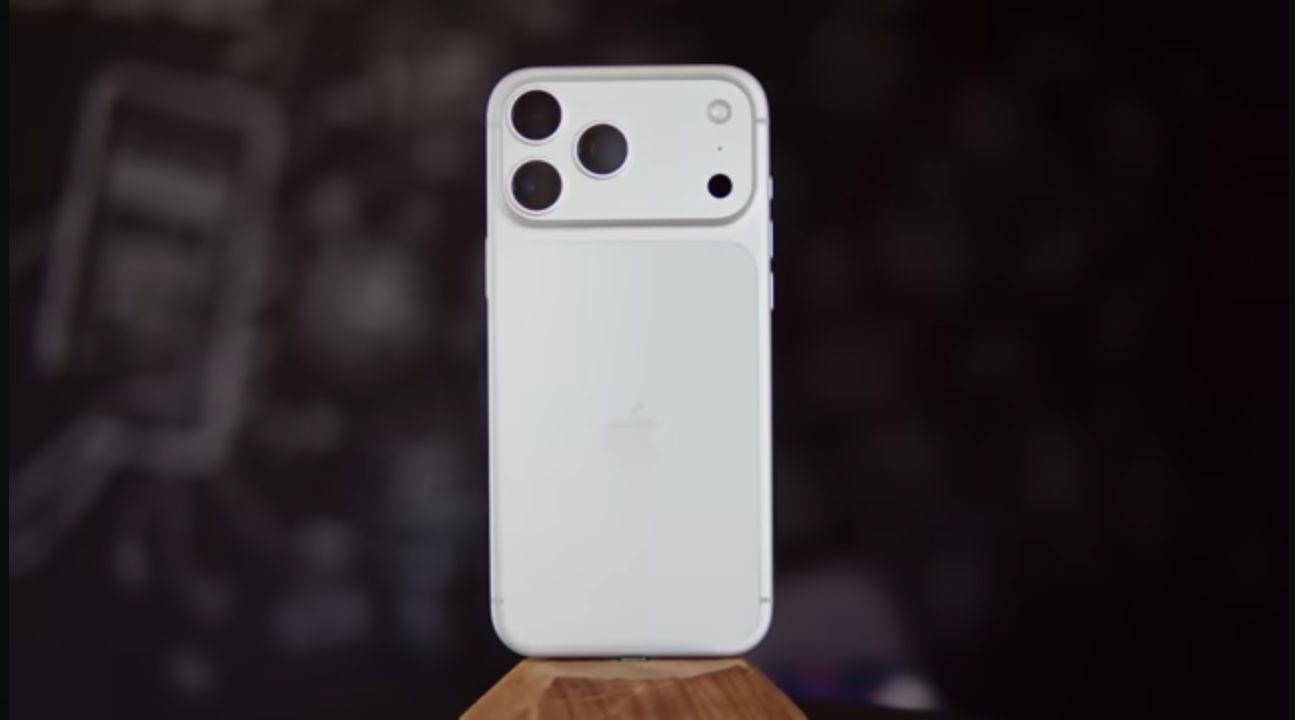
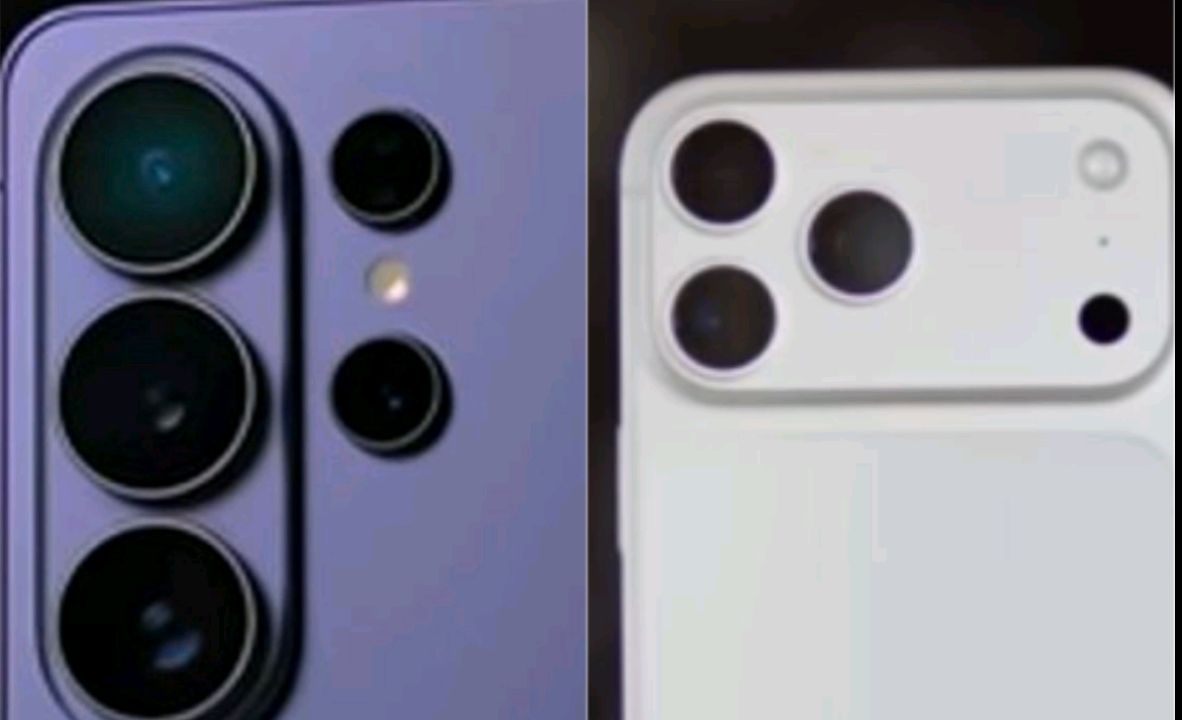
1. iPhone 17 Pro Max — best for video and night shots The telephoto camera here is a genuine 4x optical zoom (100mm equivalent) built around a 48MP sensor that’s 56% larger than last year’s, though Apple’s camera app labels an 8x “optical-quality” shortcut that combines the optical zoom with an in-sensor crop — worth knowing so you’re not expecting a true 8x lens. The main and ultrawide cameras are both 48MP and carried over from last year unchanged. Video tops out at 4K120 in Dolby Vision (there’s no 8K mode), and the physical Camera Control button — introduced with the 16 series and refined here — genuinely makes quick exposure and zoom adjustments easier one-handed. Reviewers at GSMArena and Digital Camera World consistently rate the 17 Pro Max among the strongest phones for low-light and video work this year, even if it doesn’t always top every zoom comparison. Nigerian retail pricing runs from roughly ₦2.3 million upward depending on storage and whether it’s a UK-used or sealed unit — markups on new iPhones are steep in the first few months after launch.
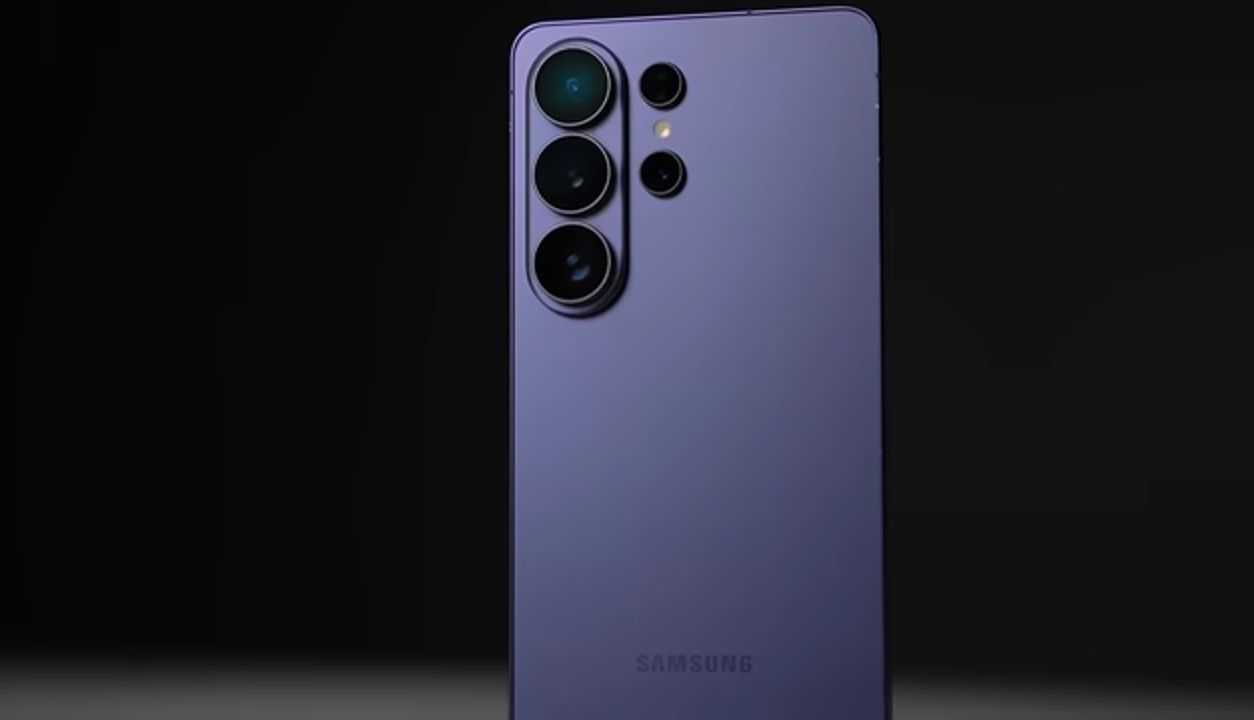
2. Samsung Galaxy S26 Ultra — best all-rounder for zoom and editing The 200MP main sensor is paired with two telephoto lenses — a 10MP 3x and a 50MP 5x periscope — plus a 50MP ultrawide, giving you the widest practical focal-length spread on this list. Video goes up to 8K, and Samsung’s Galaxy AI suite handles object removal and portrait cleanup on-device; reviewers generally describe the editing tools as some of the most usable in the AI-camera space right now, though results vary by scene, so treat that as a strength rather than a guarantee. If you already compared it against the rest of the lineup in my Samsung phones 2026 piece, this is the camera-first pick. Pricing across Nigerian retailers is genuinely inconsistent right now — I’ve seen listings anywhere from ₦1.9 million to ₦2.5 million depending on storage tier and vendor, so shop around before committing.
3. Google Pixel 10 Pro — best for point-and-shoot results The rear telephoto is a 48MP, 5x optical zoom lens — that part is straightforward. What Google markets as “100x Pro Res Zoom” is a separate, AI-driven feature that kicks in past the optical and Super Res Zoom range: it uses an on-device generative model to reconstruct detail the sensor never actually captured. It can produce genuinely usable shots of distant, static subjects in good light, but some reviewers have flagged that at the extreme end it can invent details that weren’t really there — worth knowing before you rely on it for anything you need to be accurate. Where the Pixel 10 Pro is on much firmer ground is everyday shooting: Tensor G5 handles portraits and low light with very little input from you. Nigerian pricing sits around ₦1.5 million to ₦1.7 million for the 256GB model, though as always with grey-market imports, confirm the exact regional variant before paying.
4. Xiaomi 17 Ultra — best hardware for people who actually understand cameras This is the one for the camera nerds. The main camera uses a genuine 1-inch sensor (Light Fusion 1050L) with Leica tuning, and the telephoto is a 200MP periscope unit offering continuous optical zoom across a 75–100mm range — GSMArena’s testing puts that at roughly 3.2x to 4.3x true optical zoom, with a mechanical zoom ring on the Leica edition for adjusting it manually. DXOMARK’s zoom-specific testing places it among the top three phones tested for telephoto performance. If Xiaomi’s ecosystem already appeals to you — and if you’ve read my Xiaomi phones 2026 breakdown, you know their pricing strategy well — this is their photography flagship, currently listed from around ₦1.65 million in Nigeria for the base storage configuration.
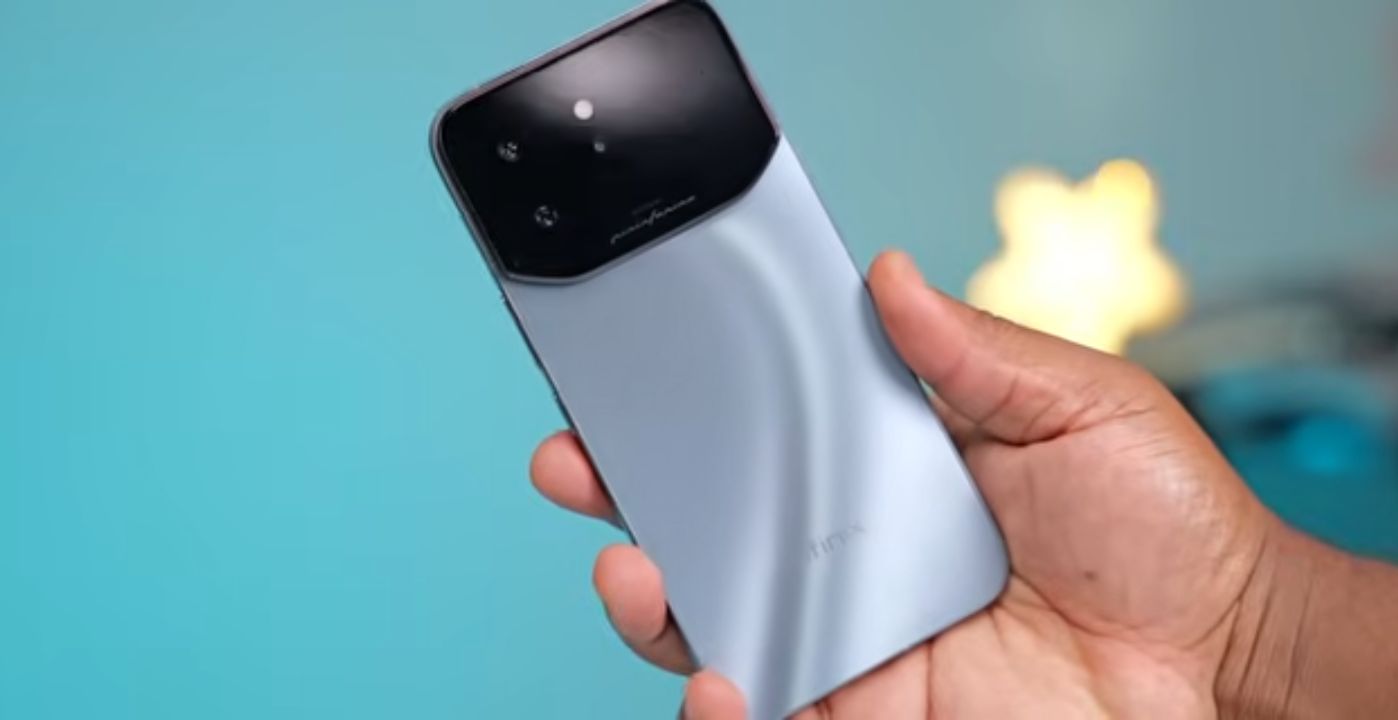
5. Infinix Note 60 Ultra — best value pick for the Nigerian market Here’s the one that actually matters for most people reading this. The main camera is a genuine 200MP Samsung ISOCELL HPE sensor with OIS, backed by a 50MP periscope lens offering 3.5x optical zoom (also OIS-stabilized) and an 8MP ultrawide. That’s a legitimately capable setup for something priced well under ₦700,000. It won’t out-shoot the Xiaomi or Samsung in a controlled studio test — the ultrawide in particular is the weak link, and it lacks OIS — but for daylight shooting and events around Lagos, Abuja, or Enugu, GSMArena’s own testing rated the main camera’s daylight output as genuinely strong for the price bracket. Battery life is also a real strength here — a 7,000mAh silicon-carbon cell means you’re not chasing a socket during a long outdoor shoot or a power outage.
Full camera specification comparison
| Phone | Main Sensor (OIS) | Ultrawide | Selfie | Optical Zoom | Video | Strengths |
|---|---|---|---|---|---|---|
| iPhone 17 Pro Max | 48MP, f/1.78 (Yes) | 48MP, f/2.2 | 18MP Center Stage | 4x (100mm), “8x optical-quality” via crop | 4K120 Dolby Vision (no 8K) | Video quality, night shots, ease of use |
| Samsung Galaxy S26 Ultra | 200MP (Yes) | 50MP | 12MP | 3x + 5x periscope | 8K, 4K120 HDR10+ | Zoom flexibility, on-device AI editing |
| Google Pixel 10 Pro | 50MP, f/1.7 (Yes) | 48MP, f/1.7 | 42MP ultrawide | 5x (113mm) optical; AI zoom to 100x | 8K (cloud upscaled), 4K, 10-bit HDR | Point-and-shoot consistency, portraits |
| Xiaomi 17 Ultra | 50MP, 1-inch, f/1.67 (Yes) | 50MP, f/2.2 | 50MP | 3.2x–4.3x continuous (200MP periscope) | 8K30, 4K120, Dolby Vision | Sensor size, dynamic range, manual control |
| Infinix Note 60 Ultra | 200MP, f/1.7 (Yes) | 8MP, f/2.2 (No OIS) | 32MP | 3.5x periscope (Yes) | 4K60 main, 4K30 tele | Price-to-hardware ratio, battery life |
| Phone | Approx. Nigeria Price |
|---|---|
| iPhone 17 Pro Max | ₦2.3M+ |
| Samsung Galaxy S26 Ultra | ₦1.9M – ₦2.5M |
| Google Pixel 10 Pro | ₦1.5M – ₦1.7M |
| Xiaomi 17 Ultra | ₦1.65M+ |
| Infinix Note 60 Ultra | ₦550K – ₦650K |
Camera specs sourced from manufacturer spec sheets and GSMArena’s hands-on reviews for each device. Prices fluctuate weekly with the Naira exchange rate and vary by vendor, storage size, and whether a unit is sealed or UK-used. Always confirm current pricing at Computer Village, Jumia, or Slot before buying.
If you’re choosing based on what you actually shoot
If most of your photography is faces — group photos, portraits, content for Instagram — prioritize the Pixel 10 Pro or the S26 Ultra; both handle skin tones and portrait blur more reliably than a raw sensor-size comparison would suggest. If you shoot landscapes, street scenes, or anything with harsh midday Nigerian sun, the Xiaomi’s larger sensor and dynamic range genuinely show up in the final image. And if you mostly care about your camera not falling apart under a tight budget, the Infinix pick isn’t a compromise so much as the smart choice — you can also pair it with our best phones for gaming under $250 list if performance matters just as much as the lens.
For settings-level detail once you’ve picked your phone, our guides on iPhone camera settings for better photos and Samsung camera settings walk through the exact toggles worth changing out of the box.
FAQ
Which phone has the best camera overall in 2026? There’s no single universal answer — independent reviewers tend to split on this depending on what they’re testing for. The iPhone 17 Pro Max is frequently rated among the strongest for night photography and video, while the Samsung Galaxy S26 Ultra is generally considered the strongest all-rounder once you factor in zoom range and editing tools. Neither wins every category outright.
Is the Pixel’s “100x zoom” actually real optical zoom? No, and it’s worth being clear about this before you buy expecting it. The Pixel 10 Pro’s telephoto lens is a 5x optical zoom. Past that, Google’s “Pro Res Zoom” uses on-device generative AI to reconstruct detail rather than capture it optically, and some reviewers have found it can fabricate fine detail at the extreme end of the range.
Can a phone under ₦700,000 actually compete with flagships for photos? Not across the board, but the Infinix Note 60 Ultra’s main camera gets close enough in good daylight that most casual buyers won’t notice much difference in everyday use. The gap widens mainly in the ultrawide camera (which lacks OIS and a high-resolution sensor) and in low light.
Does a 200MP sensor automatically mean better photos than a 48MP one? No. Sensor size, pixel binning, and processing matter far more than raw megapixel count. Xiaomi’s 1-inch 50MP main sensor on the 17 Ultra regularly outperforms higher-megapixel sensors on dynamic range and low-light detail, which is a big part of why megapixel count alone is a poor way to compare phones.
Should I buy new or UK-used for these flagships in Nigeria? UK-used units are usually 15–25% cheaper but come with limited or no warranty and unknown battery health. For phones in this price bracket, a sealed unit with local warranty is generally worth the premium unless you’re confident checking IMEI and battery health yourself.
Methodology and sources
Camera specifications in this post were verified against manufacturer spec sheets (Apple, Google, Xiaomi, Samsung, Infinix) and cross-checked with GSMArena’s hands-on camera reviews for each device. DXOMARK’s published camera scores were used as one additional reference point, particularly for the Xiaomi 17 Ultra’s zoom performance, rather than as the sole basis for any ranking. Digital Camera World’s hands-on testing informed the framing on the Xiaomi 17 Ultra and Samsung Galaxy S26 Ultra. Nigerian pricing was gathered from multiple current listings across Jumia, Jiji, and dedicated Nigerian phone-price trackers as of July 2026 — treat all Naira figures as a guide rather than a fixed quote, since exchange rate movement and vendor markups shift these numbers often.

Comments 0
Leave a comment