Table of Contents
Open Table of Contents
- Overview
- Tecno Spark 20 Pro — Still Holding Up, But Watch the Clock
- Samsung Galaxy A05 — The Phone I Can’t Fully Recommend Anymore
- Samsung Galaxy A14 — Reliable, But Running Out of Road
- Samsung Galaxy A15 — The One I’d Actually Tell You to Buy
- Side-by-Side: Which One Makes Sense for You?
- The Bigger Picture
- FAQ
Overview
I want to start with something real. I was in a phone shop recently and saw someone about to buy a Samsung Galaxy A14 at close to its original launch price. The sales rep wasn’t lying to him — the phone works, it’s Samsung, it carries the brand trust. But nobody told him it already received its final Android update in 2025. Nobody mentioned that for roughly the same price, better options exist right now.
That’s the conversation I’m having in this post.
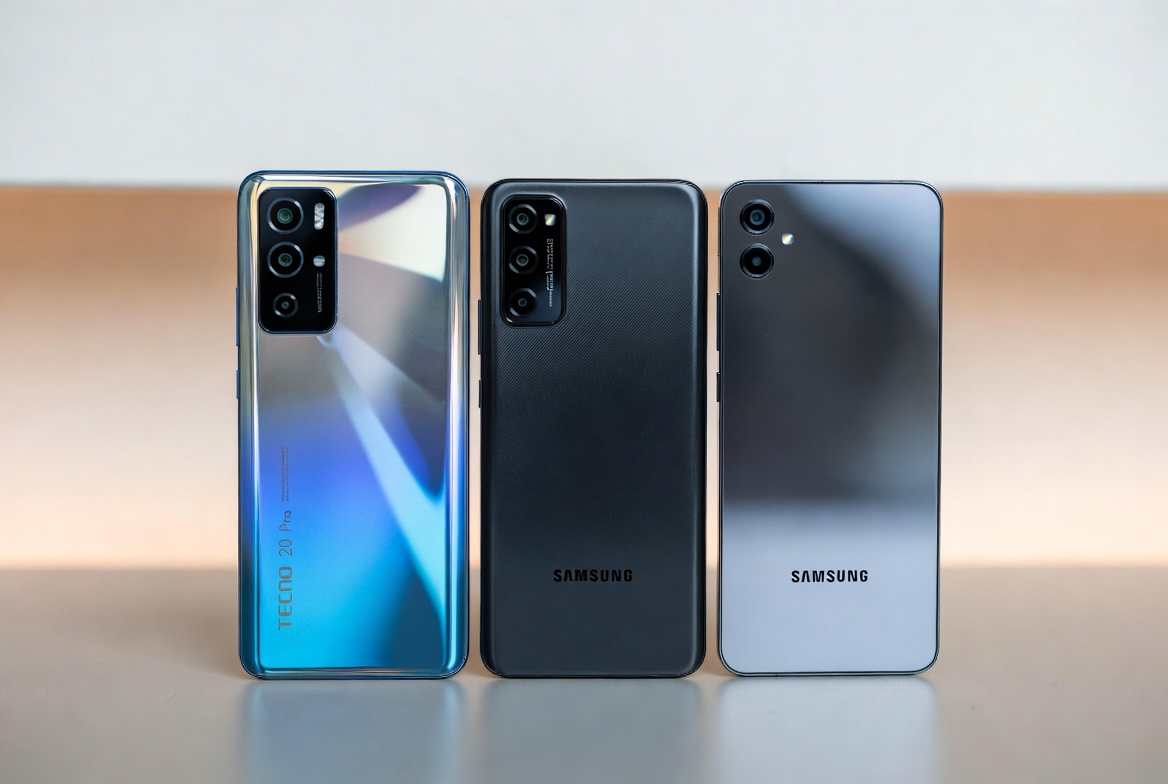
These four phones — the Tecno Spark 20 Pro, Samsung Galaxy A05, Samsung Galaxy A14, and Samsung Galaxy A15 — were all released between late 2023 and early 2024. It’s 2026 now. Some of them aged well. Some didn’t. And a few are still being sold at prices that no longer reflect their current value. If you’re trying to figure out which cheap smartphones in 2026 are actually worth buying versus which ones are just old stock dressed up in a deal — this is that post.
Here’s the honest breakdown.
Quick Verdict
Phone Verdict Score Tecno Spark 20 Pro ✅ Buy — if heavily discounted 7/10 Samsung Galaxy A05 ⚠️ Skip for most people 5.5/10 Samsung Galaxy A14 ✅ Buy — only at a reduced price 6.5/10 Samsung Galaxy A15 ✅ Strong buy — best of the four 8/10
Tecno Spark 20 Pro — Still Holding Up, But Watch the Clock
Released: December 2023 Chipset: MediaTek Helio G99 Display: 6.78” FHD+ IPS LCD, 120Hz RAM/Storage: 12GB / 256GB Battery: 5000mAh, 33W charging
When the Spark 20 Pro launched, Tecno did something clever — they dropped the Helio G99 into a phone that most people in Nigeria could actually afford. That chip is not a joke. You’ll find it in phones that cost significantly more in other markets, and on paper the combination of 12GB RAM, 256GB storage, and a 120Hz FHD+ screen was genuinely impressive for the price.
Two years in, the hardware still holds up for most daily tasks. Scrolling feels smooth, streaming works fine, and the generous storage means you’re not constantly managing space — something I went into detail on in my post about why most people don’t actually need 1TB storage. If you use the phone heavily but don’t push it to extremes, the Spark 20 Pro won’t embarrass you.
The real issue isn’t the hardware — it’s the software story. Tecno launched this phone on Android 13, and their update track record isn’t something you can rely on the way you can with Samsung. Based on long-term user feedback across forums, common reports after 1–2 years of usage include faster-than-expected wear — warmth during basic use, battery draining earlier, slight performance dips. Not universal, but consistent enough across enough devices that it’s worth factoring into your decision.
If you’re asking whether this is still a good cheap smartphone in 2026 — the honest answer is yes, but only at the right price. In the Nigerian market, if you’re seeing the Spark 20 Pro above ₦120,000, skip it. At around ₦80,000–₦100,000, the hardware-to-cost ratio still makes sense for what you’re getting. Anything above that and you’re overpaying for a two-year-old phone with an uncertain update future.
The verdict: Good hardware, aging software story. Buy it discounted, not at full price.
Samsung Galaxy A05 — The Phone I Can’t Fully Recommend Anymore
Released: October 2023 Chipset: MediaTek Helio G85 Display: 6.7” HD+ PLS LCD, 60Hz RAM/Storage: 4GB or 6GB / 64GB or 128GB Battery: 5000mAh, 25W charging
I’ll be direct: the Galaxy A05 was never a great phone. It was always a cheap phone. Those aren’t the same thing.
The Helio G85 is not a performance chip. WhatsApp, calls, YouTube, basic browsing — that’s genuinely its ceiling. Push it beyond that and the phone tells on itself fast. No fingerprint scanner. HD+ resolution instead of FHD. 60Hz display in an era where phones at this price now ship with 90Hz as standard. Samsung made real compromises here to hit a price point, and those compromises feel more noticeable in 2026 than they did at launch.
What Samsung got right was the software commitment. Android 13 at launch, Android 14, then Android 15 — two major OS upgrades and four years of security patches. For a cheap smartphone in 2026 at this price, that’s more than most competitors offered. But Android 15 is the end of the road for the A05, and the upgrade brought its own problems — common reports across forums after the update include screen freezing and overheating that wasn’t there before.
The bigger issue in 2026 is the missing fingerprint scanner. You can buy a Tecno or Infinix phone with a side-mounted fingerprint sensor for less money than the A05 costs. Relying on face unlock or a PIN every time you pick up your phone stops being a minor inconvenience and starts feeling like a design decision that aged badly.
If someone has never owned a smartphone before and their only goal is calls, WhatsApp, and basic apps — the A05 works for that. That’s the honest use case. But price-wise, if you’re seeing this above ₦85,000 anywhere in Nigeria right now, it’s simply not worth it. At ₦60,000–₦70,000, it’s a first-timer’s phone. Above that, you’re better off putting the money toward the A15. Everyone else has better options at this price, including what I covered in my best smartphones under $200 for 2026 roundup.
The verdict: Narrow use case for a narrow audience. Don’t buy it if you have real alternatives.
Samsung Galaxy A14 — Reliable, But Running Out of Road
Released: February 2023 Chipset: Helio G80 (4G) / Dimensity 700 (5G variant) Display: 6.6” FHD+, 90Hz RAM/Storage: 4GB or 6GB / 64GB or 128GB Battery: 5000mAh, 15W charging
The most honest thing I can say about the Galaxy A14 in 2026 is this: it works, it has always worked, and based on long-term user feedback, people have run it daily for three years without serious complaints. There’s a three-year review on the Samsung community forum where the owner simply says the phone is “slightly slower than day one, but perfectly usable.” That kind of reliability is not nothing.
The A14 gets FHD+ right. The 90Hz display is a noticeable step above the A05. Samsung’s One UI — even the Core version — feels polished compared to budget alternatives. It handles everyday tasks without making you feel like you’re fighting the phone. For anyone searching for the best Samsung budget phone in 2026 on a limited budget, the A14 still enters that conversation — just with asterisks.
But here’s what you need to know before spending money on it: the Galaxy A14 (4G) received Android 15 in July 2025. That was its final major OS update. It’s at end of life for Android versions. Security patches continue until 2027, which matters for your device’s safety — but you will not see Android 16. If you buy this phone today, you’re buying something that’s already on its last Android version.
In practical terms, nothing breaks tomorrow. Your apps work, the phone stays secure. But give it another year or two and you’ll start hitting apps that require newer Android versions. That’s the trajectory, and it’s worth being honest about when you’re deciding whether to spend money on it.
The 15W charging is also a problem. In 2026, phones at this price tier charge at 33W or 45W. Waiting for the A14 to fill overnight is patience that feels increasingly unnecessary.
Price context: If you’re seeing the Galaxy A14 above ₦110,000–₦120,000 in any store right now, walk past it. At ₦80,000–₦95,000, the reliability and brand trust can still justify the buy — but only if you’re aware of the software runway. Above that price range, the A15 is a smarter spend every single time.
The verdict: Only worth buying at a significantly reduced price. The A15 is almost always the smarter move at this tier.
Samsung Galaxy A15 — The One I’d Actually Tell You to Buy
Released: Late 2023 / Early 2024 Chipset: Helio G99 (4G) / Dimensity 6100+ (5G) Display: 6.5” AMOLED, 90Hz RAM/Storage: 4GB, 6GB, or 8GB / 128GB + microSD Battery: 5000mAh, 25W charging
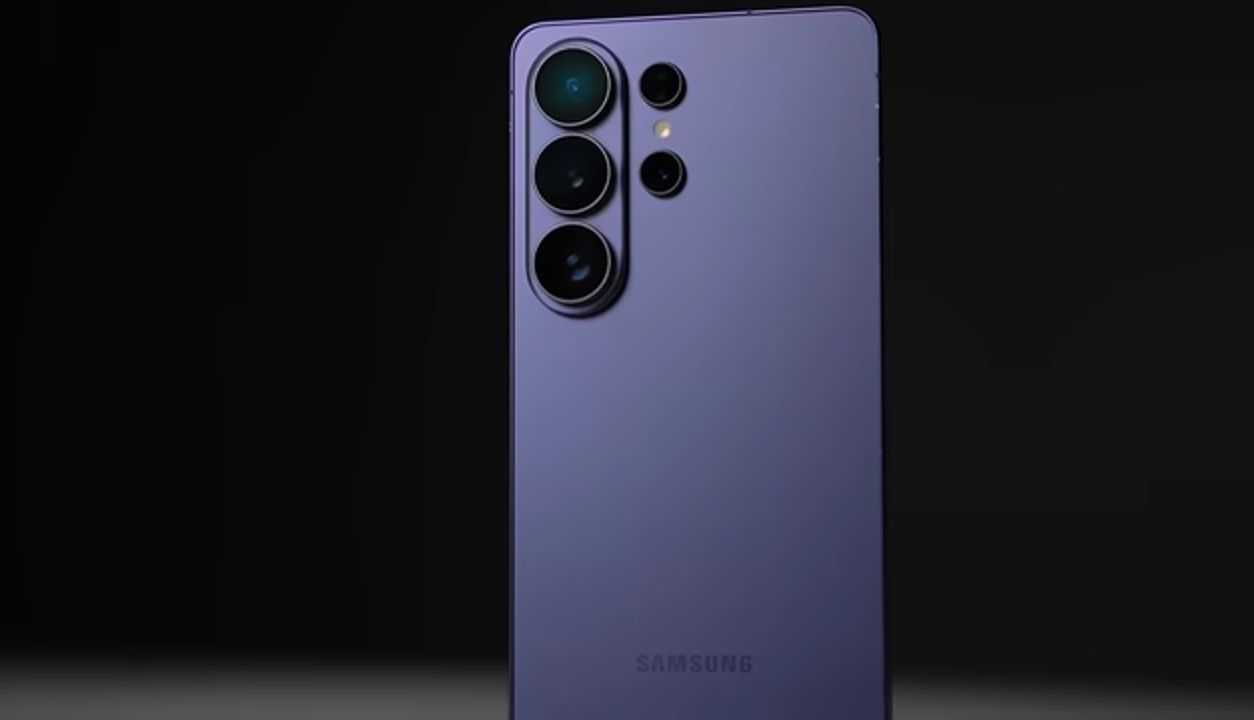
Out of all four phones in this list, the Galaxy A15 has the clearest argument for still being worth your money in 2026 — and if you’re searching for the best Samsung budget phone in 2026 or asking “is the Galaxy A15 worth buying,” the short answer is yes. It comes down to two things: the display and the update commitment.
Samsung put an AMOLED panel in the A15. Budget phones at this price almost always ship with IPS LCD. The difference is not subtle. Colours are richer, blacks are proper blacks, there’s a depth to the screen that you feel immediately after switching from any LCD phone. This single hardware decision elevates the daily experience in a way spec sheets can’t fully communicate.
Then there’s the software. The Galaxy A15 5G was promised four major OS upgrades from launch. Users have already confirmed Android 16 (One UI 8) arriving on the device — that’s remarkable for a budget phone in 2026. When I compared where software support separates brands in the Pixel 10 vs Galaxy S26 breakdown, the pattern was clear: the brands that take updates seriously at every price tier build more lasting value. The A15 reflects that. You’re buying a phone that will feel current for longer than almost anything else in its class.
The fingerprint sensor is side-mounted in the power button — reliable, fast enough, and a real quality-of-life upgrade over anything relying on face unlock. Battery regularly pushes two days on moderate use, based on consistent long-term user feedback across ownership periods of 1–2 years. The microSD slot means you’re not fighting storage anxiety down the line.
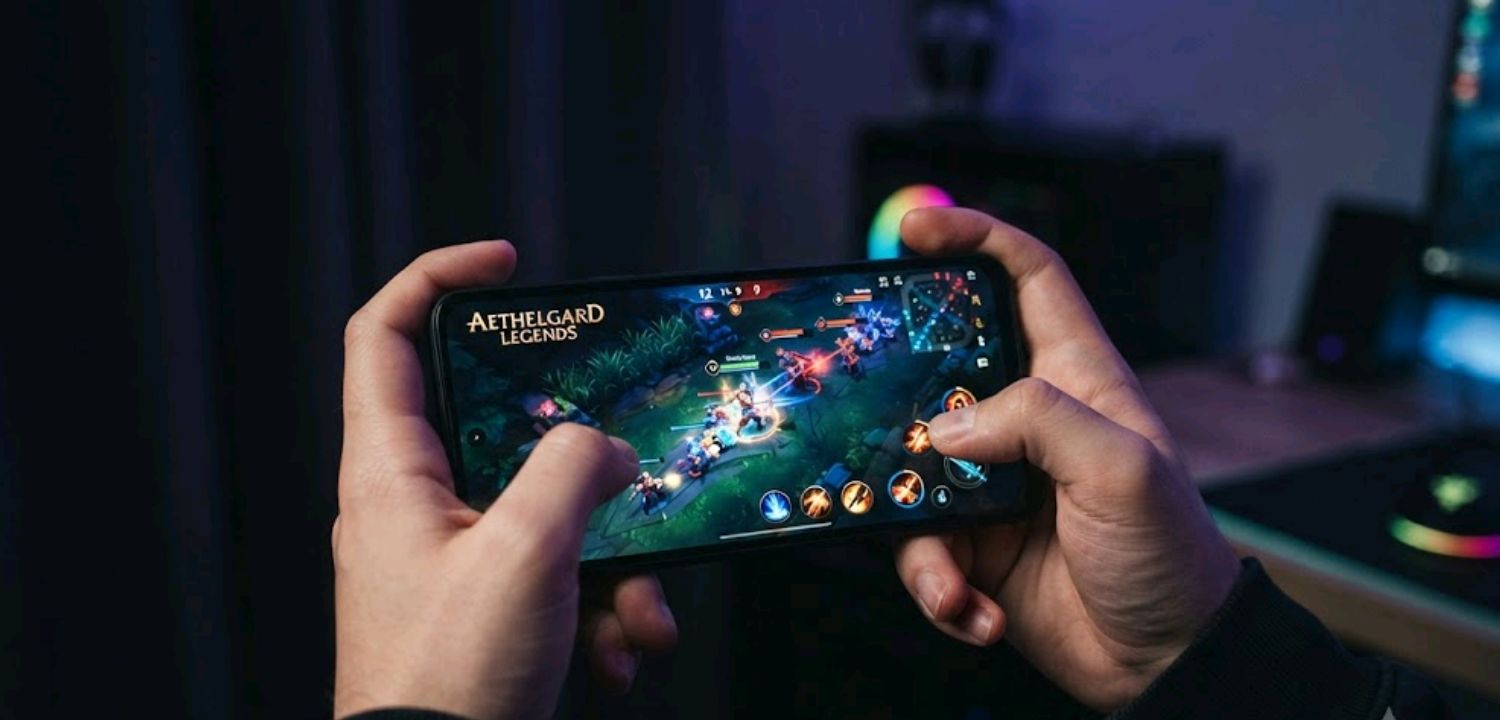
Where the A15 falls short is performance. The chipset is not fast, and you will feel it during heavy multitasking. If you’re into Call of Duty Mobile at competitive settings, the A15 will let you down — I’ve been there. The 4GB RAM base variant is noticeably more painful than the 6GB or 8GB versions, and common reports across forums specifically flag the base model for crashes after major OS updates.
If you’re buying this phone, get the 6GB or 8GB variant. It’s a different experience. For context on how it stacks up against Infinix and Tecno alternatives at a slightly higher budget, I went deep on that exact comparison in the Infinix Note 60 Pro vs Hot 60 Pro vs Tecno Spark 40 Pro post. But within this specific four-phone group, the A15 wins and it’s not particularly close.
Price context: The Galaxy A15 (4G, 6GB) is sitting around ₦130,000–₦160,000 in most Nigerian stores right now. That range is fair for what you’re getting — AMOLED display, fingerprint scanner, four OS updates, solid battery. If you find it below ₦130,000, that’s a genuinely good deal. Above ₦170,000, you’re getting close to territory where you should be asking whether a newer device makes more sense.
The verdict: Clear winner of this group. Get the 6GB or 8GB variant and don’t look back.
Side-by-Side: Which One Makes Sense for You?
| Your Situation | Best Pick |
|---|---|
| Never owned a smartphone, very strict budget | Galaxy A05 — reluctantly. Save for the A15 if possible. |
| Want strong hardware at a reduced price | Tecno Spark 20 Pro — if discounted |
| Want Samsung reliability and can find it cheap | Galaxy A14 — only if significantly below launch price |
| Want the smartest long-term buy in this group | Galaxy A15 (6GB or 8GB variant) |
| Budget stretches further | See best smartphones under $200 in 2026 |
The Bigger Picture
The honest reality about budget phones in 2026 is that the market has moved. Phones that were impressive at launch in late 2023 now sit alongside newer alternatives offering more for the same or less money. Tecno’s Spark 30 series, Samsung’s own Galaxy A16, and the Infinix options I compared here are all in the conversation now.
If any of these four phones are being sold at original launch prices at your local phone shop in 2026 — walk away. These are phones that should be discounted by now. The value only makes sense when the price reflects the age.
The Galaxy A15 stands apart from the other three because Samsung’s update commitment genuinely changes the math. A phone getting four years of OS updates is a different kind of purchase from one that’s already on its final Android version at the time you’re buying it. That’s real years of useful life — not a marketing claim.
And if you’re at the very bottom of the budget, the itel vs budget Samsung question is worth thinking through too. I covered exactly who each brand is built for in my itel phones 2026 breakdown — the answer is less obvious than most people assume.
Buy smart. Don’t pay 2023 prices for 2023 phones.
FAQ
Is the Tecno Spark 20 Pro still a good phone in 2026? The hardware holds — Helio G99, 12GB RAM, 120Hz display. The concern is software longevity and reports of wear accelerating after two years of use. Find it at a seriously reduced price and it’s reasonable. At full price, better options exist now.
Why skip the Galaxy A05 in 2026? No fingerprint scanner, 60Hz HD+ display, and a chipset sitting at the very bottom of the budget stack. It works for someone doing the absolute basics, but competition at similar prices has moved past it. The Galaxy A15 is worth the extra spend.
The Galaxy A14 is on its last Android version — does that mean I should avoid it entirely? Not entirely. Security patches continue until 2027 and your current apps keep working. The issue is the clock is ticking on future app compatibility. If the price reflects its age — meaning it’s meaningfully cheaper than it was at launch — it can still make sense for the right buyer. Just go in knowing the software runway is short.
Which RAM variant of the Galaxy A15 should I actually buy? 6GB or 8GB, not the 4GB. The base variant struggles more noticeably under load, and some users specifically on the 4GB model have reported crashes after OS updates. The extra RAM is worth the small price difference.
How does the Galaxy A15 compare to the Infinix and Tecno options at a slightly higher budget? Different class, different expectations. If your budget stretches, I broke down the Infinix Note 60 Pro vs Hot 60 Pro vs Tecno Spark 40 Pro in detail. Within the sub-₦150K range specifically, the A15 is the strongest option in this group.
Should I consider itel instead of any of these? itel operates at a different price level and is built for a very specific kind of user. I covered exactly who itel makes sense for in this post. If you’re comparing itel to the A14 or A15, you’ve likely already outgrown itel’s target audience.
Using one of these phones right now? Drop your experience in the comments — especially if you’ve had it for a year or more. Real-world feedback matters more than spec sheets.

Comments 0
Leave a comment