Table of Contents
Open Table of Contents
Overview
Motorola doesn’t market itself as a gaming brand the way certain other manufacturers plaster “gamer” branding across their boxes. No RGB logos, no dedicated gaming sub-brand, no shoulder triggers. And yet, if you’ve spent any time with the current Edge or Razr lineup, you already know the chips inside them are doing real work - some of them punch well above what their price tags suggest.
This list isn’t ranked by benchmark scores alone. I prioritized the hardware most relevant to sustained gaming - chipset class, cooling headroom, refresh rate, touch response, and battery capacity - alongside available third-party performance data, and weighed all of that against what’s actually realistic to buy in Nigeria right now. Prices below are given in USD rather than Naira, since the exchange rate shifts often and Motorola devices in Nigeria mostly move through third-party importers rather than one official price list - the same model can be quoted very differently by different vendors. Convert at the current rate and treat these figures as a starting point for comparison shopping, not a fixed price.
Quick comparison
| Phone | Chipset | Display | Battery | Best for |
|---|---|---|---|---|
| Razr 60 Ultra | Snapdragon 8 Elite | 7” 165Hz LTPO AMOLED (foldable) | 4,700mAh, 68W | Raw flagship power in a flip form |
| Edge 60 Pro | Dimensity 8350 Extreme | 6.7” 120Hz pOLED | 6,000mAh, 90W | Long sessions without a mid-game charge |
| Moto G96 5G | Snapdragon 7s Gen 2 | 6.67” 144Hz pOLED | 5,500mAh, ~30W | Highest refresh rate for the price |
| Edge 60 Fusion | Dimensity 7300/7400 | 6.67” 120Hz pOLED (quad-curved) | 5,200-5,500mAh, 68W* | Balanced mid-range all-rounder |
| Moto G86 5G | Dimensity 7300 | 6.67” 120Hz pOLED | 5,200mAh, 30W | One of the cheapest entries on this list |
*Battery capacity for the Edge 60 Fusion varies by regional configuration - Motorola’s own spec pages list 5,200mAh for some markets and 5,500mAh for others.
How I picked these phones
Refresh rate is the spec everyone screenshots, but it’s not the whole story. I weighted each phone on a mix of factors, in roughly this order:
- Chipset and GPU class - the ceiling for how demanding a title the phone can run at all
- Sustained-performance potential - build materials, cooling design where documented, and how a chipset’s thermal profile typically behaves under load, based on available third-party benchmark data rather than my own lab testing
- Display refresh rate and touch sampling - smoothness matters, but only alongside enough GPU power to actually hit that refresh rate in-game
- Battery capacity and charging speed - can it survive a long session, and how fast can you top up between matches
- Durability - IP rating and MIL-STD certification, since gaming phones get handled more roughly than average
- Nigerian availability and value - how easy the phone actually is to find and at what realistic price
I haven’t run my own extended throttle tests on every unit here, so performance claims below lean on documented chipset behavior and third-party benchmark data rather than personal lab results. Where I say a phone “should” hold up well, that’s an informed read of the hardware, not a measured verdict.
1. Motorola Razr 60 Ultra - the one with headroom to spare
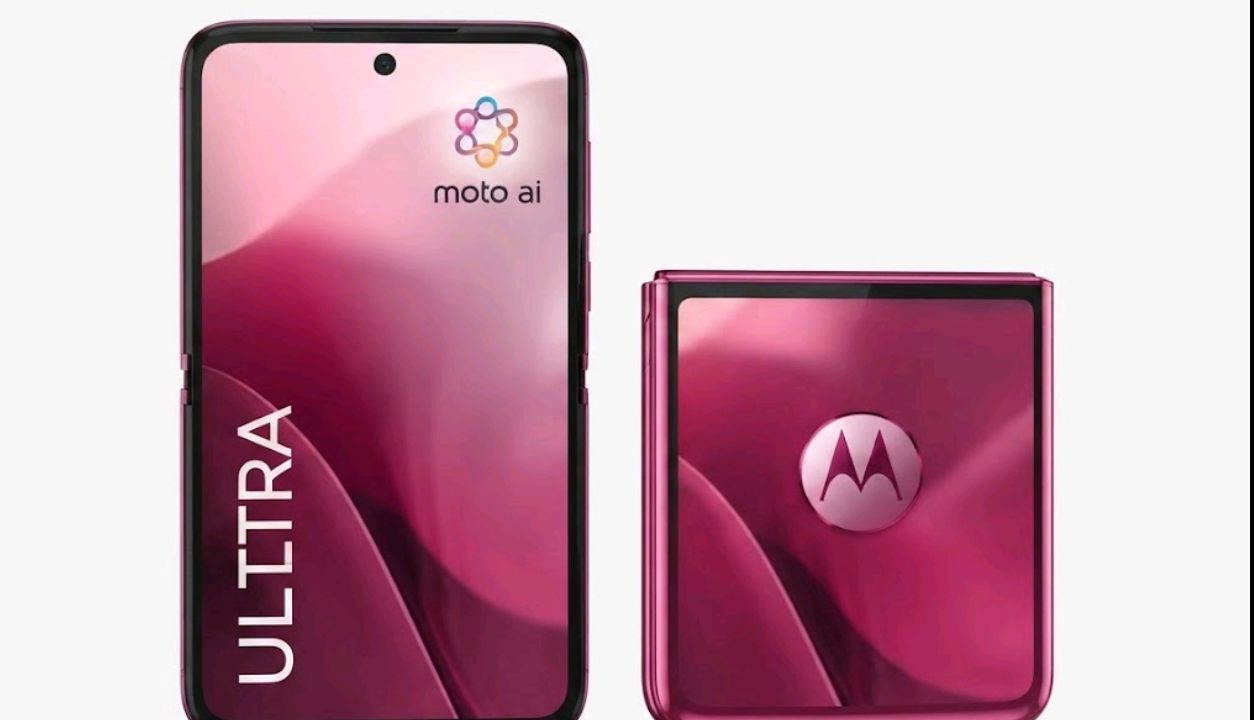
The Razr 60 Ultra is a flip foldable first and a gaming phone second, but Motorola didn’t cut corners on the chip. It runs the Snapdragon 8 Elite with Qualcomm’s Adreno GPU, wrapped in a pocketable clamshell rather than a slab. The 7-inch internal LTPO AMOLED panel hits a 165Hz refresh rate, which is more than most current mobile titles can meaningfully take advantage of, but it means the phone has ceiling to spare as games get heavier.
The catch is the form factor itself. A crease runs down the middle of the screen, and while it’s barely noticeable during normal use, some players find it distracting in fast-paced titles where their thumbs land near the fold line. The 4,700mAh battery is also modest for a device pushing this much processing power, so expect a proper charging routine on heavy gaming days rather than “set it and forget it” battery life.
Motorola’s global launch price for the Razr 60 Ultra was around $980 for the base configuration. Nigerian listings are far less consistent than that single figure suggests, with imported units varying substantially depending on storage, condition, seller markup, and whether the device is official or grey-market stock. If you’re set on this one, compare at least three vendors before paying.
2. Motorola Edge 60 Pro - the marathon runner
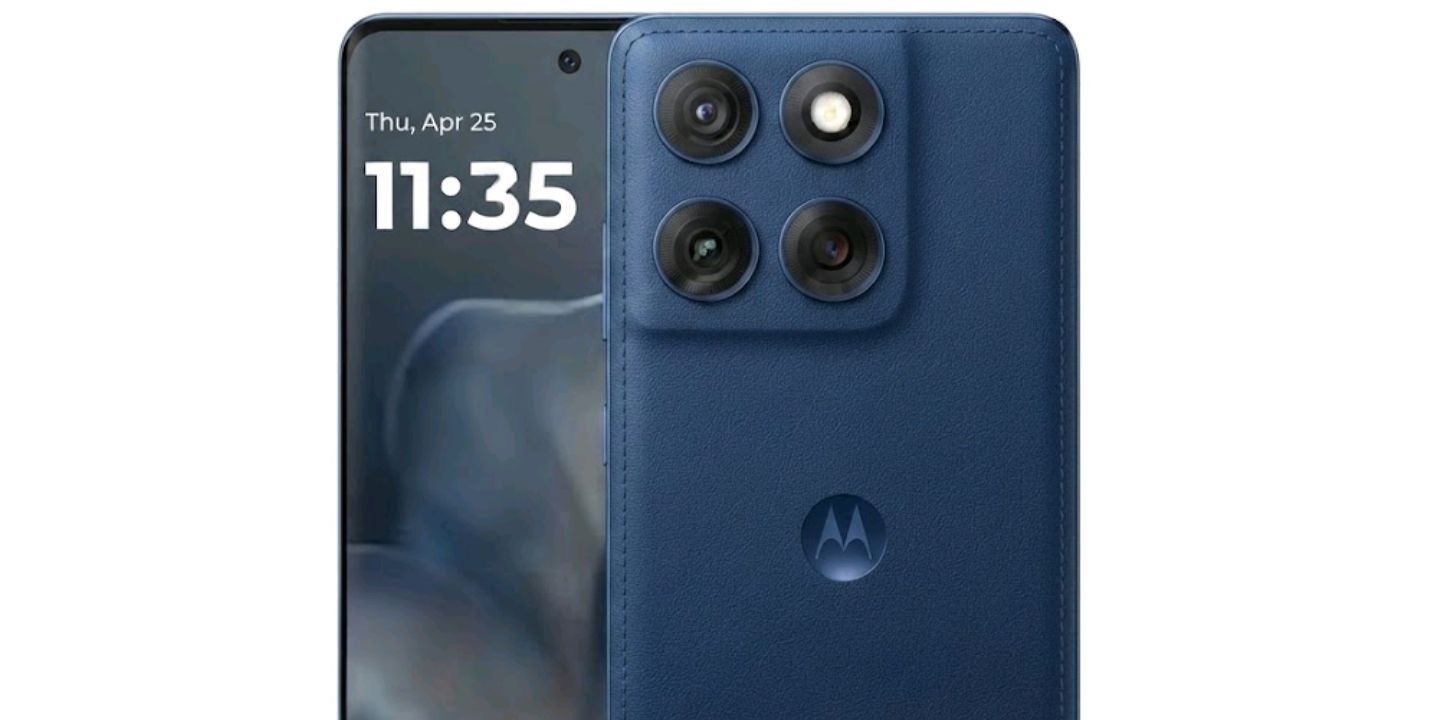
The Edge 60 Pro swaps a Qualcomm chip for MediaTek’s Dimensity 8350 Extreme, built on a 4nm process with a Mali-G615 MC6 GPU. On paper it doesn’t chase headline benchmark numbers the way the Razr does, but the 6,000mAh silicon-carbon battery is the real story here - it’s the largest cell on this list by a wide margin. That larger cell gives it more battery headroom for long gaming sessions, so you should spend less time worrying about the percentage during extended play.
The 6.7-inch pOLED display runs at a standard 120Hz rather than the 144Hz or 165Hz you’ll find elsewhere on this list, which is a small step down for competitive players chasing every frame, but the panel itself is genuinely bright - Motorola advertises a 4,500-nit peak, though independent lab testing has measured real-world brightness well below that figure, which is normal for how manufacturers report peak specs. Either way, visibility in direct sunlight isn’t a problem. IP68/IP69 water and dust resistance plus MIL-STD-810H durability certification round out a phone that’s built to survive being handled a lot, which matters if gaming sessions mean sweaty palms and the occasional drop.
Motorola’s global launch price sat around $760, though retailer promotions and regional variants have pushed street prices anywhere from roughly $460 to $1,300. Nigerian listings can land well above or below the converted global price depending on import costs, storage configuration, stock, and seller markup, so confirm with a seller before assuming either end.
3. Moto G96 5G - the refresh-rate specialist
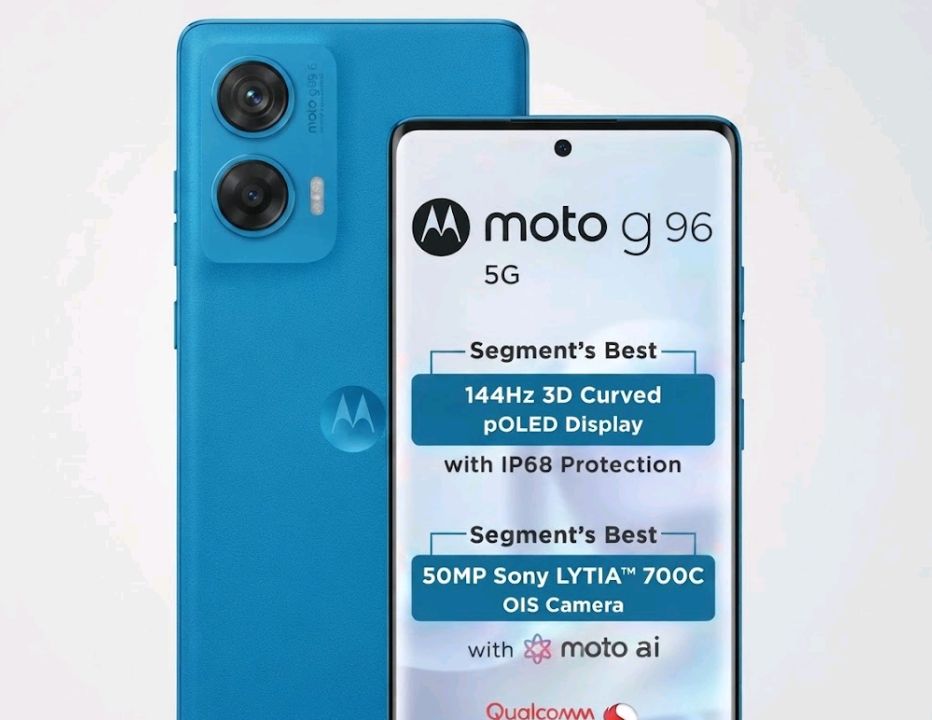
The 144Hz panel is the headline feature here, but don’t mistake the higher refresh rate for more gaming power: the Snapdragon 7s Gen 2 is still a mid-range chip, and its Adreno GPU won’t max out settings in graphically demanding titles. What it does deliver is a display that runs at 144Hz - a spec you don’t usually see at this price point, and one that makes fast-scrolling menus and lighter competitive titles feel noticeably snappier than the 120Hz norm. If your games actually push the GPU hard, the Edge 60 Fusion’s stronger overall hardware balance may matter more than the G96’s higher refresh-rate ceiling.
The 5,500mAh battery is respectable rather than exceptional. Charging is listed around 30W, although some retailer specifications report 33W, so verify the exact regional variant before buying. IP68 water resistance is a welcome inclusion most rivals in this bracket skip. Global retail pricing for the G96 5G runs around $210-$250 depending on storage. As of this writing, official Nigerian pricing hadn’t fully settled since the phone launched first in other markets - expect it to land somewhere between the Edge 60 Fusion and the Edge 60 Pro once local stock stabilizes.
4. Motorola Edge 60 Fusion - the balanced pick
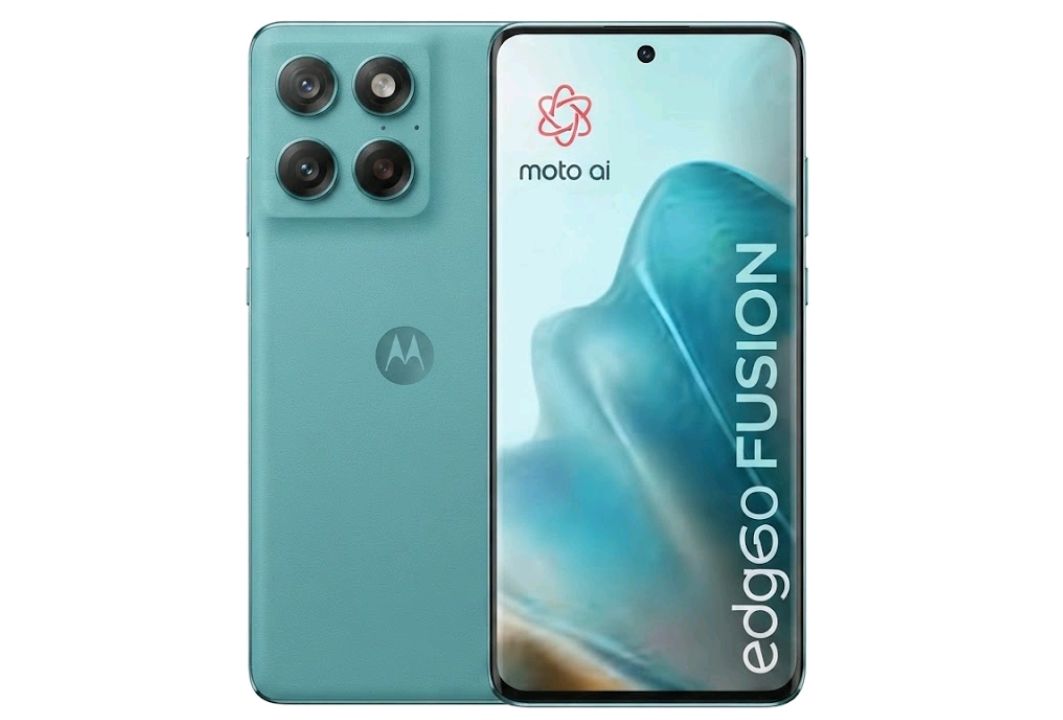
The Edge 60 Fusion sits a notch below the Pro in almost every spec, but it inherits the same quad-curved 6.67-inch pOLED panel and 120Hz refresh rate. The Edge 60 Fusion has different regional configurations: Motorola’s own listings show both Dimensity 7300 and Dimensity 7400 variants depending on market, so Nigerian buyers should verify the exact chipset a seller is stocking before paying - the performance gap between the two isn’t huge, but it’s not nothing either.
This is the phone I’d point most people toward if they want something that handles eFootball, MLBB, or COD Mobile comfortably without paying flagship money. It also carries IP68/IP69 protection and MIL-STD-810H certification, which is unusual generosity at this price tier. Global retail pricing runs roughly $260-$390 depending on RAM/storage configuration and region - reported Nigerian listings have varied quite a bit around that range, so shop around before settling on a vendor.
5. Moto G86 5G - the value entry point

The Moto G86 5G is essentially the more budget-friendly sibling of the Edge 60 Fusion, running the same Dimensity 7300 chipset and a similarly sized 6.67-inch 120Hz OLED display. What you give up is some of the Edge line’s more premium design touches and camera hardware, but those compromises don’t materially change the gaming experience.
For a first serious gaming phone, or as an upgrade from an aging device that’s started stuttering in menus, the G86 5G gets you a genuinely smooth OLED gaming experience without asking you to stretch your budget toward the Edge or Razr lines. It won’t out-benchmark the Snapdragon-powered options above, but for the price bracket it competes in, it’s hard to find a smoother panel. At around $210-$230 globally, it’s one of the cheapest entries on this list.
A quick note on naming: Motorola also sells a separate “Moto G86 Power” model with a larger 6,720mAh battery and a higher price tag. It’s a different device from the standard G86 5G covered here - worth checking which one a listing is actually selling before you buy.
FAQ
Does Motorola have a dedicated gaming phone like the ones from other brands?
No. Motorola doesn’t run a separate gaming sub-brand with shoulder triggers or RGB lighting. Instead, gaming performance is spread across its regular Edge, Razr, and Moto G lines - you pick based on chipset and display rather than a marketing label.
Is the Snapdragon 8 Elite in the Razr 60 Ultra actually worth it for mobile gaming?
For most current mobile titles, including eFootball and MLBB, mid-range chips like the Dimensity 7300 or Snapdragon 7s Gen 2 are already capable of running many popular mobile games smoothly at sensible settings. The 8 Elite mainly buys you future-proofing and headroom for heavier titles that arrive over the next couple of years, plus faster load times and less throttling during long sessions.
Which Motorola phone lasts longest during a gaming session?
On paper, the Edge 60 Pro’s 6,000mAh battery gives it the largest buffer on this list. Real-world results depend on screen brightness, refresh rate settings, and which game you’re running, so treat this as a starting point rather than a guarantee.
Should I worry about phones overheating during long gaming sessions?
Sustained load is where budget chipsets tend to show their limits first, usually through frame drops rather than the phone becoming uncomfortably hot. If you’re playing for hours at a stretch, the Edge 60 Pro and Razr 60 Ultra are better equipped to hold steady performance than the cheaper Moto G models.
Where’s the best place to check current Nigerian pricing before buying?
Prices in this guide are given in USD because Motorola devices in Nigeria mostly move through third-party importers rather than one fixed official price list, and the Naira exchange rate shifts often enough that a fixed figure would go stale quickly. Convert at the current rate, then cross-check listings on at least two or three marketplaces and, where possible, an official Motorola retailer, before settling on a price. Avoid anyone who won’t confirm whether a unit is an official Nigerian import or a grey-market device.
Specs referenced above were cross-checked against manufacturer listings and GSMArena at the time of writing. Prices are given in USD and reflect global retail listings rather than a fixed Nigerian price, since local rates and vendor markups shift often - convert at the current exchange rate and always verify with a seller before purchase. For phones built around battery endurance rather than gaming power, see our best Motorola phones for battery life guide, and if camera quality is your priority, check out the best Motorola camera phones of 2026.


Comments 0
Leave a comment