Table of Contents
Open Table of Contents
- Overview
- Quick Comparison
- 1. Motorola Edge 70 Pro — Best Overall Camera System
- 2. Motorola Edge 60 Pro — Best Budget Zoom Camera
- 3. Motorola Razr 60 Ultra — Best Foldable Camera
- 4. Motorola Edge 60 Fusion — Best Mid-Range Balance
- 5. Motorola Moto G86 5G — Best Budget Camera Phone
- How to Choose Between Them
- Buying Motorola Phones in Nigeria: What to Know
- FAQ
Overview
Motorola has traditionally competed more aggressively on design, battery life, and clean software than on camera hardware — the brand has had a few strong camera phones before now, but it’s rarely been the first name that comes up in that conversation. In 2026, that’s getting harder to say. The camera conversation is no longer one Motorola sits out of.
This list covers five current Motorola phones that earn a spot specifically because of what their camera systems offer, not because they’re the newest or most heavily marketed. The Edge 70 series introduced Motorola’s first dedicated periscope telephoto in this lineup, and the Razr line finally gave both sides of its flip phones matched 50MP sensors — two genuine steps forward worth knowing about even if you land on a different pick. A note on how this was put together: hardware specs (sensor models, apertures, chipset, battery) come from Motorola’s own product pages, cross-checked against GSMArena and PhoneArena’s spec databases for accuracy. Anything about actual photo or video quality — daylight performance, low light, zoom degradation — comes from independent reviews that shot with the phones, cited by outlet where it matters, rather than from spec sheets alone. Those are two different kinds of claims, and this guide tries not to blur them.
One more thing worth flagging upfront: Motorola doesn’t run official retail distribution in Nigeria the way Samsung, Tecno, or Infinix do. Every phone below reaches Nigerian buyers mainly through import dealers and marketplaces like Jiji rather than an official Motorola storefront, so pricing here is quoted in USD from global listings, and naira equivalents will move with both the exchange rate and import markup — treat any converted figure as a rough starting point, not a fixed price.
Quick Comparison
| Phone | Rear Camera Setup | Selfie Camera | Standout Feature | Best For |
|---|---|---|---|---|
| Motorola Edge 70 Pro | 50MP main (OIS) + 50MP ultrawide + 50MP periscope telephoto, 3.5x optical | 50MP | Motorola’s first dedicated periscope telephoto | Overall best camera system |
| Motorola Edge 60 Pro | 50MP main (OIS) + 50MP ultrawide + 10MP telephoto, 3x optical | 50MP | Dedicated optical zoom at a lower price than the 70 series | Budget-conscious zoom shooter |
| Motorola Razr 60 Ultra | 50MP main (OIS, 2x lossless crop) + 50MP ultrawide | 50MP | Matched 50MP sensors on a flip foldable | Foldable fans |
| Motorola Edge 60 Fusion | 50MP main (OIS) + 13MP ultrawide + 5MP portrait | 32MP | Strong main sensor plus a very bright display for checking shots | Mid-range all-rounder |
| Motorola Moto G86 5G | 50MP main (OIS) + 8MP ultrawide | 32MP | Genuinely capable main sensor at a budget price | Tightest budget |
1. Motorola Edge 70 Pro — Best Overall Camera System
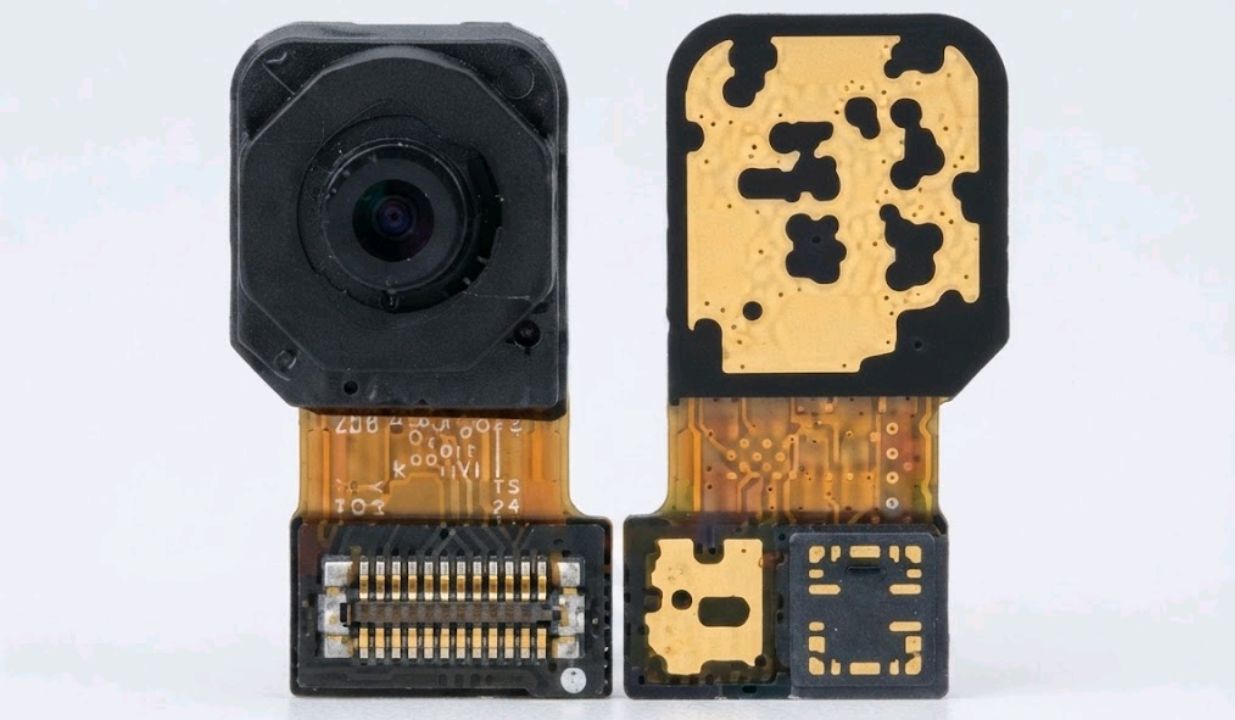
This is the one to know carefully, because Motorola’s regional naming here is genuinely confusing. The phone sold internationally (UK, Europe) as the Edge 70 Pro ships with a 50MP periscope telephoto lens and wireless charging built in. In India, GSMArena’s own review of the global unit confirms that same hardware is sold under a different name — the Edge 70 Pro+ — while the India-market phone actually called “Edge 70 Pro” is a cheaper, lesser device that drops the periscope camera and wireless charging entirely. The one confirmed difference between the global Pro and the India Pro+: the global version offers more storage tiers and color options, while the India Pro+ is sold in a single 12GB/256GB configuration. If you’re buying one of these through an import channel, confirm which spec sheet you’re actually getting rather than trusting the name on the box alone.
The specs below describe the version with the periscope camera — Edge 70 Pro internationally, Edge 70 Pro+ in India.
| Spec | Detail |
|---|---|
| Main camera | 50MP Sony LYTIA 710, f/1.8, 24mm, OIS |
| Ultrawide | 50MP, f/2.0, ~122° FOV, autofocus, macro-capable |
| Telephoto | 50MP Samsung JN5, f/2.5, 81mm equivalent, 3.5x optical, OIS |
| Selfie | 50MP, f/1.9, autofocus |
| Chipset | MediaTek Dimensity 8500 Extreme |
| Battery | 6,500mAh silicon-carbon, 90W wired (15W wireless on the international/Pro+ variant only) |
| Price | Roughly $500–650 depending on region (India Edge 70 Pro+: ₹47,999) |
In practice: Independent reviews are consistent that the periscope lens is the standout here — its 3.5x optical range holds detail well, and even the 7x crop from that lens stays reasonably usable, though 30x and 50x digital “Super Zoom” results are soft and best avoided for anything you care about. The main camera is sharp and detailed in daylight but noticeably grainier in shadows than you’d expect at this price, which some reviewers read as an intentional processing choice rather than a flaw. The ultrawide is fine but noticeably oversharpened compared to the other two lenses. Low light on the main and telephoto cameras is usable thanks to OIS, though it’s not as aggressive at pulling detail from near-darkness as dedicated night modes on some rivals.
Worth being precise about the zoom terminology: a fixed 3.5x periscope lens isn’t automatically worse than a 5x one on a competing phone — optical reach is only one factor, and sensor size, processing, and stabilization all affect how a zoomed shot actually looks. The Edge 70 Pro’s 3.5x lens punches above its nominal reach specifically because Motorola paired it with a full 50MP sensor rather than the smaller sensors most brands put behind a telephoto lens.
2. Motorola Edge 60 Pro — Best Budget Zoom Camera
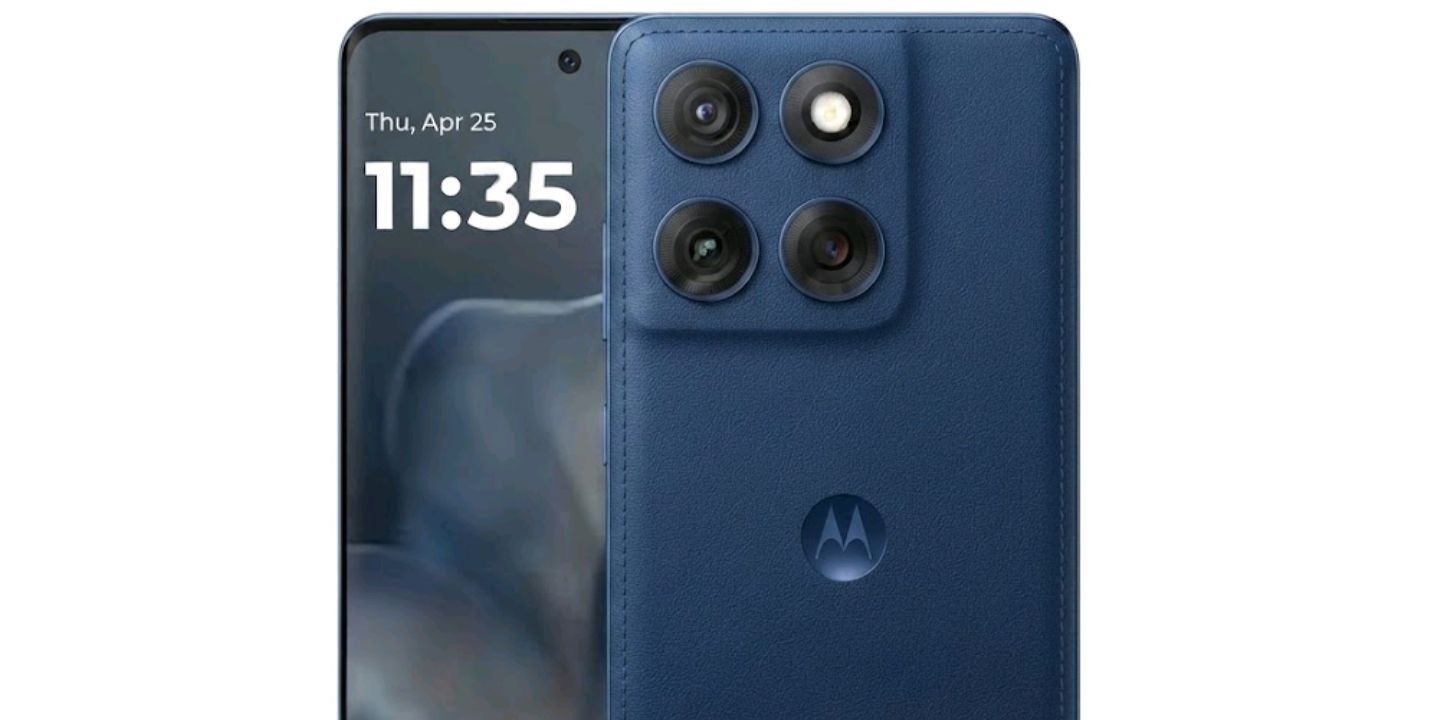
A generation older than the Edge 70 Pro and increasingly discounted, the Edge 60 Pro is the more sensible pick if a dedicated telephoto lens matters more to you than having the newest hardware. Its 50MP Sony LYT-700C main sensor is paired with a 10MP telephoto offering 3x optical zoom and a 50MP ultrawide — a more modest zoom lens than the newer phone’s, but one that comes at a meaningfully lower price.
| Spec | Detail |
|---|---|
| Main camera | 50MP Sony LYT-700C, f/1.8, 24mm, OIS |
| Ultrawide | 50MP Samsung JN-series, f/2.0, PDAF |
| Telephoto | 10MP Samsung S5K3K1, f/2.0, 73mm equivalent, 3x optical, OIS |
| Selfie | 50MP |
| Chipset | MediaTek Dimensity 8350 Extreme |
| Battery | 6,000mAh, 90W wired / 15W wireless |
| Price | Originally $410–450, now commonly discounted below that |
In practice: Reviewers are broadly positive on the main camera in daylight — good detail and color — but more mixed on everything else. Low-light shots from the main sensor tend to soften and show more noise than premium flagships, and at least one detailed review flagged that the telephoto sensor is genuinely small for its class (roughly a quarter-inch sensor, similar to what you’d find behind many ultrawide lenses rather than a dedicated zoom camera), which is worth knowing since Motorola markets a 50x “Super Zoom” figure that only the first 3x is true optical — everything past that is digital cropping, and quality drops off quickly once you go there. If you mainly shoot in good light and rarely push zoom past 3x, this is a perfectly capable camera system for the price; if you’re expecting flagship-grade zoom performance up to that 50x number, you’ll be disappointed.
3. Motorola Razr 60 Ultra — Best Foldable Camera

Motorola dropped the telephoto lens used on the previous Razr Ultra and replaced it with a matched pair of 50MP sensors instead — a main camera with OIS and a 2x lossless crop, plus a 50MP ultrawide that also handles macro shots. The tradeoff versus a dedicated zoom lens is real, but the sensor upgrades (the main sensor grew from 1/1.95” to a larger 1/1.56”) mean image quality improved meaningfully over the previous generation even without a telephoto lens.
| Spec | Detail |
|---|---|
| Main camera | 50MP, f/1.8, OIS, 2x lossless crop zoom |
| Ultrawide | 50MP Sony IMX816, f/2.0, 12mm, autofocus (macro-capable) |
| Selfie | 50MP, fixed focus |
| Chipset | Snapdragon 8 Elite |
| Battery | 4,700mAh, 68W wired / 30W wireless |
| Form factor | Clamshell foldable, 4-inch cover display |
In practice: Reviewers consistently describe daylight shots from the main camera as vibrant and well-balanced, with good dynamic range and reliable skin tones. Low light is respectable rather than exceptional — detail holds up but the processing leans a bit heavy-handed. The ultrawide is a genuine step up from the previous Razr generation and holds its own in daylight, though it’s the weaker performer once the light drops. The bigger practical limitation isn’t image quality — it’s the cover-screen camera interface, which doesn’t support pinch-to-zoom beyond 1x, so framing a distant shot while the phone is closed is more limited than on a standard slate phone. If you’re buying primarily for the fold factor and treat the camera as a bonus, this is currently Motorola’s strongest flip-phone shooter; if zoom range specifically matters, the Edge lineup is the better call.
4. Motorola Edge 60 Fusion — Best Mid-Range Balance
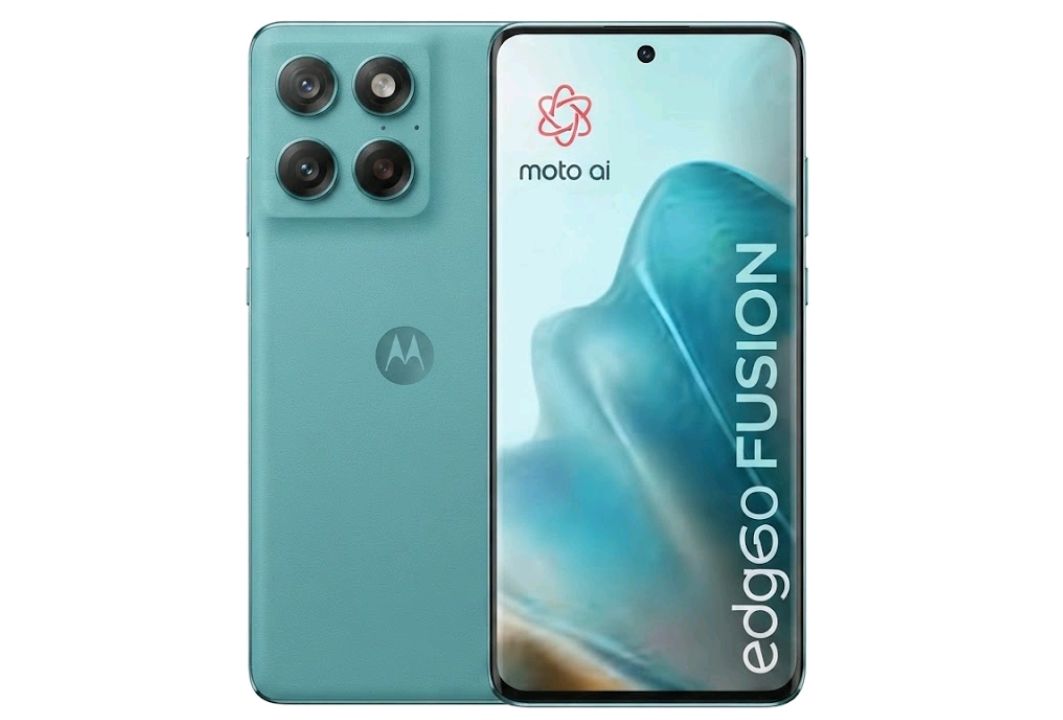
The Fusion line brings most of the Edge series’ design and display quality down to a friendlier price, and the camera reflects that positioning honestly — strong where it matters most, more ordinary everywhere else. The 50MP Sony LYT-700C main sensor is the same unit found in pricier Motorola phones, backed by a more modest 13MP ultrawide and a 5MP portrait/depth sensor rather than a second 50MP unit.
| Spec | Detail |
|---|---|
| Main camera | 50MP Sony LYT-700C, f/1.8, OIS |
| Ultrawide | 13MP, f/2.2 |
| Portrait lens | 5MP |
| Selfie | 32MP, f/2.45 |
| Chipset | MediaTek Dimensity 7300 |
| Battery | 5,200mAh, 68W wired |
| Price | Roughly $250–260 |
In practice: Reviews are consistently strong on the main camera — sharp, punchy daylight shots with good dynamic range, and reasonable low-light performance thanks to OIS, with a few reviewers noting it’s one of the better main sensors at this price point. The ultrawide gets more mixed marks: some reviewers found it genuinely capable in daylight with accurate colors, while others considered it the clear weak point of the setup, especially once the light drops. There’s no telephoto lens, so zoom beyond native is a digital crop from the main sensor and softens quickly past 2x. What sells this phone is less any single camera spec and more the package around it: a 6.7-inch pOLED display bright enough to actually judge exposure and color outdoors, plus IP68/IP69 durability and MIL-STD-810H certification at a price well below the Edge Pro line.
5. Motorola Moto G86 5G — Best Budget Camera Phone
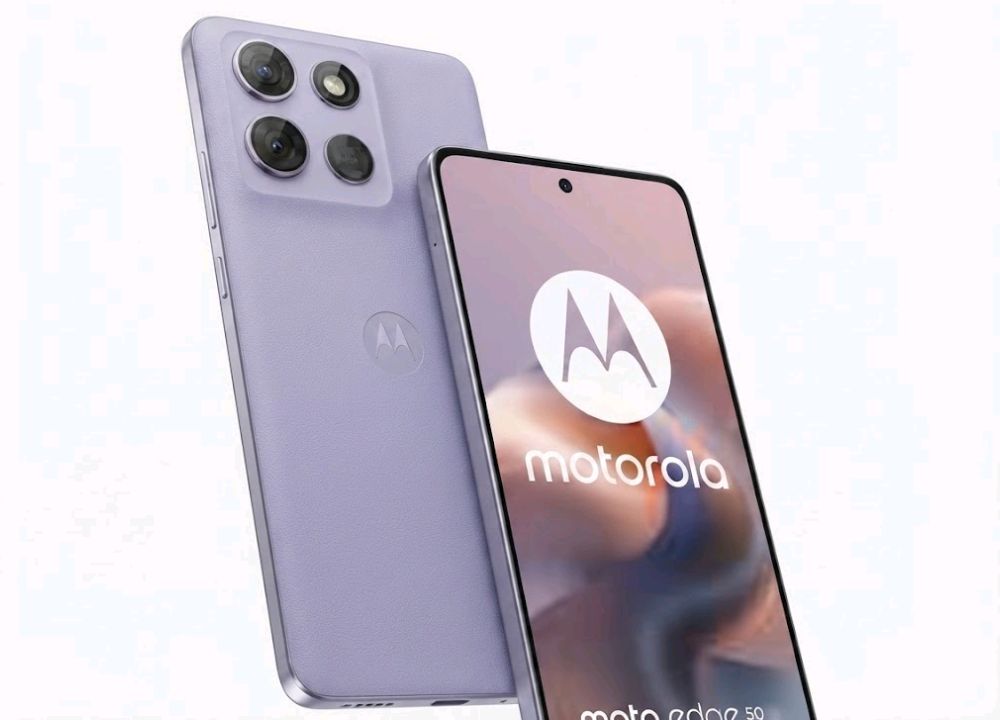
The Moto G86 5G is where Motorola’s camera strategy meets a genuinely tight budget, and the compromise is a reasonable one: a single capable 50MP main sensor (the Sony LYT-600) does the heavy lifting, backed by a modest 8MP ultrawide that’s clearly the cost-cutting measure in this setup rather than the main camera.
| Spec | Detail |
|---|---|
| Main camera | 50MP Sony LYT-600, f/1.88, OIS |
| Ultrawide | 8MP, f/2.2 |
| Selfie | 32MP |
| Chipset | MediaTek Dimensity 7300 |
| Display | 6.67-inch pOLED, 120Hz, up to 4,500 nits |
| Durability | IP68/IP69-rated |
In practice: Independent reviews describe the main camera as reliably good in both daylight and low light for the price, with natural colors and usable detail even after dark. The 8MP ultrawide is the phone’s clear weak point — one detailed review found detail loss even in bright daylight toward the corners, and softer results in shade. There’s no telephoto lens, so 2x, 4x, and 10x zoom are digital crops from the main sensor; one photography-focused review noted 2x still holds a good amount of detail, but by 4x the AI upscaling becomes visibly apparent, and at 10x it’s fabricating detail rather than resolving it. For buyers who mainly shoot standard 1x shots and rarely reach for the ultrawide, the G86 5G’s main camera genuinely outperforms what you’d expect at this price — it’s not a phone to buy for versatile camera coverage, but for one competent main sensor and a bright, durable body.
How to Choose Between Them
- Want the most zoom reach: the Edge 70 Pro is the only phone here with a true periscope lens — just confirm you’re getting the variant that includes it.
- Want zoom without flagship pricing: the Edge 60 Pro’s 3x optical telephoto is the cheaper middle ground, with the caveat that its sensor is genuinely small and the marketed “50x” figure is mostly digital.
- Want a foldable: the Razr 60 Ultra is currently Motorola’s strongest flip-phone camera, with the caveat that cover-screen zoom is limited to 1x.
- Want balance over any one camera spec: the Edge 60 Fusion pairs a strong main sensor with a genuinely bright display and solid build quality.
- Want the lowest price: the Moto G86 5G’s main camera holds up well for its class; just don’t expect much from the ultrawide.
Buying Motorola Phones in Nigeria: What to Know
Motorola doesn’t run the kind of official Nigerian distribution network that Samsung, Tecno, or Infinix do — most of the phones above reach Nigerian buyers through import-focused sellers and marketplaces rather than an official brand storefront. That’s not automatically a red flag, but it does mean two things are worth checking before you pay: confirm you’re getting the global/international variant rather than a region-locked model with different specs (the Edge 70 Pro naming confusion above is a good example of why this matters), and budget for the fact that naira pricing on these listings tracks the exchange rate closely, so a quoted price can shift within weeks. If you’ve been comparing options across brands, our guides to Motorola phones under ₦200,000 in Nigeria and the best Tecno camera phones in Nigeria cover more budget-friendly, officially distributed alternatives if import logistics are a dealbreaker.
FAQ
Which Motorola phone has the best camera in 2026?
The Motorola Edge 70 Pro has the most capable camera system Motorola currently sells, mainly because of its 50MP periscope telephoto lens — a feature none of Motorola’s other current phones include. Just be sure you’re buying the variant that actually includes it (see the naming note above).
Which Motorola phone is best for zoom photography?
The Edge 70 Pro is the clear choice, thanks to its dedicated 3.5x optical periscope telephoto. The Edge 60 Pro offers a cheaper 3x optical alternative, though its telephoto sensor is noticeably smaller and its marketed “50x” zoom figure is mostly digital beyond 3x.
Does Motorola make phones with optical zoom?
Yes, in the sense of a dedicated telephoto lens rather than a continuously variable zoom. The Edge 70 Pro offers 3.5x optical zoom through its fixed periscope telephoto lens, and the older Edge 60 Pro offers 3x optical zoom through a smaller 10MP telephoto sensor. Most other current Motorola models rely on cropping from the main sensor rather than a dedicated zoom lens.
Is the Razr 60 Ultra’s camera as good as the Edge series?
It’s close on paper — matched 50MP main and ultrawide sensors — but it has no telephoto lens, and the cover-screen camera interface is more limited than a standard phone’s. For zoom versatility, the Edge Pro line is stronger; for a compact foldable with a genuinely capable camera, the Razr 60 Ultra is Motorola’s best option.
Are these phones officially sold in Nigeria?
Not through Motorola’s own retail channels in most cases. They’re generally available through import dealers and online marketplaces, so confirm the regional variant and warranty terms before buying, and expect naira prices to shift with the exchange rate.
Is the Moto G86 5G worth it if I mostly use my phone camera for social media?
Yes, if you mainly shoot standard shots rather than wide group or landscape photos. Independent reviews describe its 50MP main sensor as holding up well for everyday use; the 8MP ultrawide is the noticeably weaker lens in the setup, with visible detail loss even in daylight.
Hardware specs in this guide are drawn from Motorola’s official product pages and cross-checked against GSMArena and PhoneArena as of August 2026. Performance claims about actual photo and video quality are drawn from independent reviews that tested the phones directly, not from spec sheets. Specs, regional variants, and pricing may change — confirm details for your specific market before buying.



Comments 0
Leave a comment