Table of Contents
Open Table of Contents
Overview
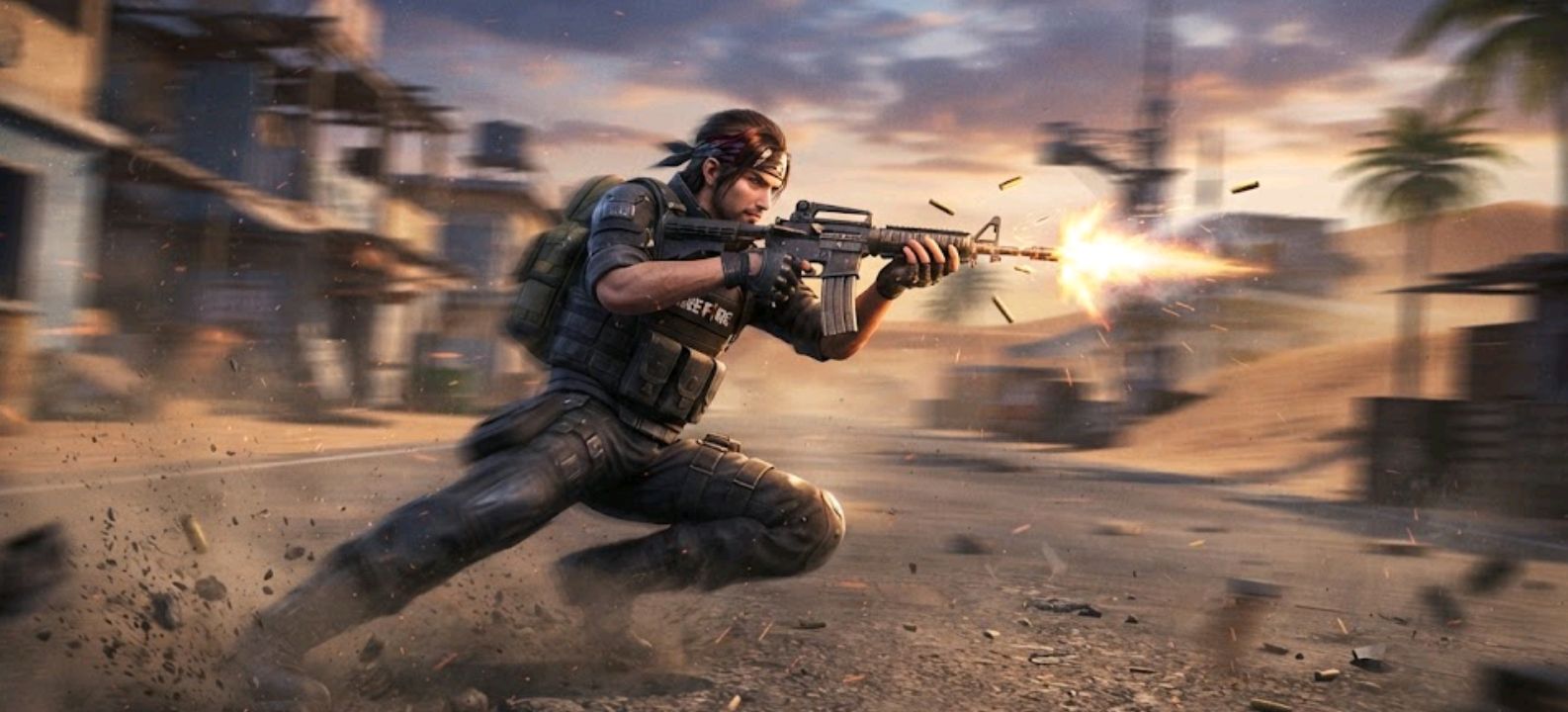
A lot of Free Fire deaths don’t come from bad aim. They come from standing still for half a second too long while someone pre-fires a doorway you’d already walked through twice. Movement is the part of the game nobody teaches you directly, and it’s also the part that separates a lobby full of bots from a squad that actually rotates, dodges, and survives the last two circles.
This guide isn’t about flashy clips. It’s about the handful of movement habits that are practical when you’re playing on a mid-range Android phone with a simple two-finger control setup, which is how many mobile players actually play this game.
Join ReviByte Community
Get instant alerts on new posts, phone deals, and mobile gaming updates.
Join WhatsApp Channel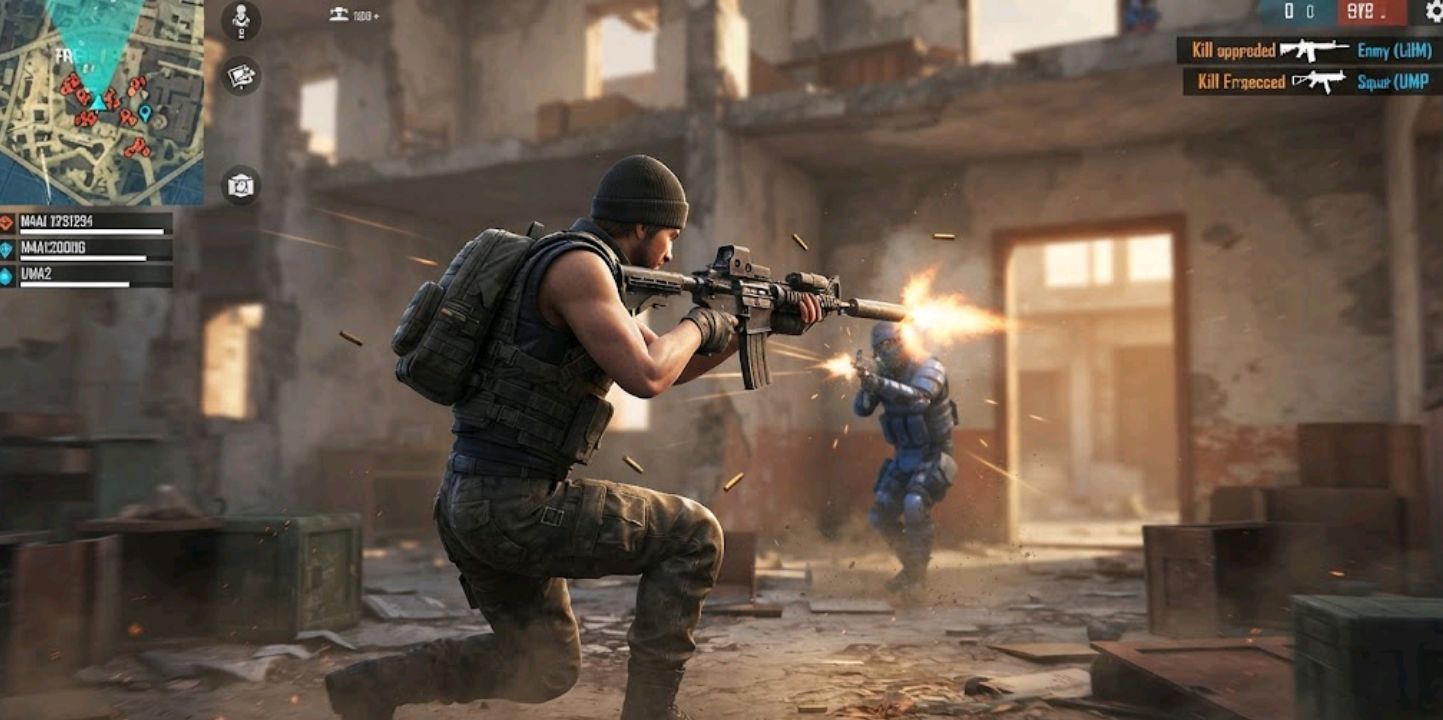
Why movement matters more than raw aim
In close-range fights, the person who changes direction unpredictably is harder to hit even if their aim is average. In practice, players who stand still or move predictably are generally easier to track than players who break their movement rhythm with drop shots or side-steps, even when the shooter isn’t especially skilled. This isn’t a Free Fire-specific law of physics — it’s the same logic that applies in most shooters — but it’s noticeably exaggerated on mobile, where flick aiming is harder to correct mid-fight than on PC or console.
Core movement techniques worth practicing
| Technique | What it does | Best used when |
|---|---|---|
| Drop shot | Instant crouch while firing, can disrupt enemy aim tracking | Close-range 1v1s in open areas |
| Crouch-peek | Tap crouch while strafing around cover | Checking angles before committing |
| Gloo wall stutter | Place a wall mid-retreat to break line of sight | Losing a fight and rotating out |
| Short strafing | Rapid left-right movement in short bursts to make yourself harder to track | Close-range fights and when challenging an exposed opponent |
None of these are exclusive to Free Fire, and I wouldn’t claim any single one guarantees a win. What they can do is create the small timing advantage that often decides close-range gunfights.
Sensitivity and control layout matter more than people admit
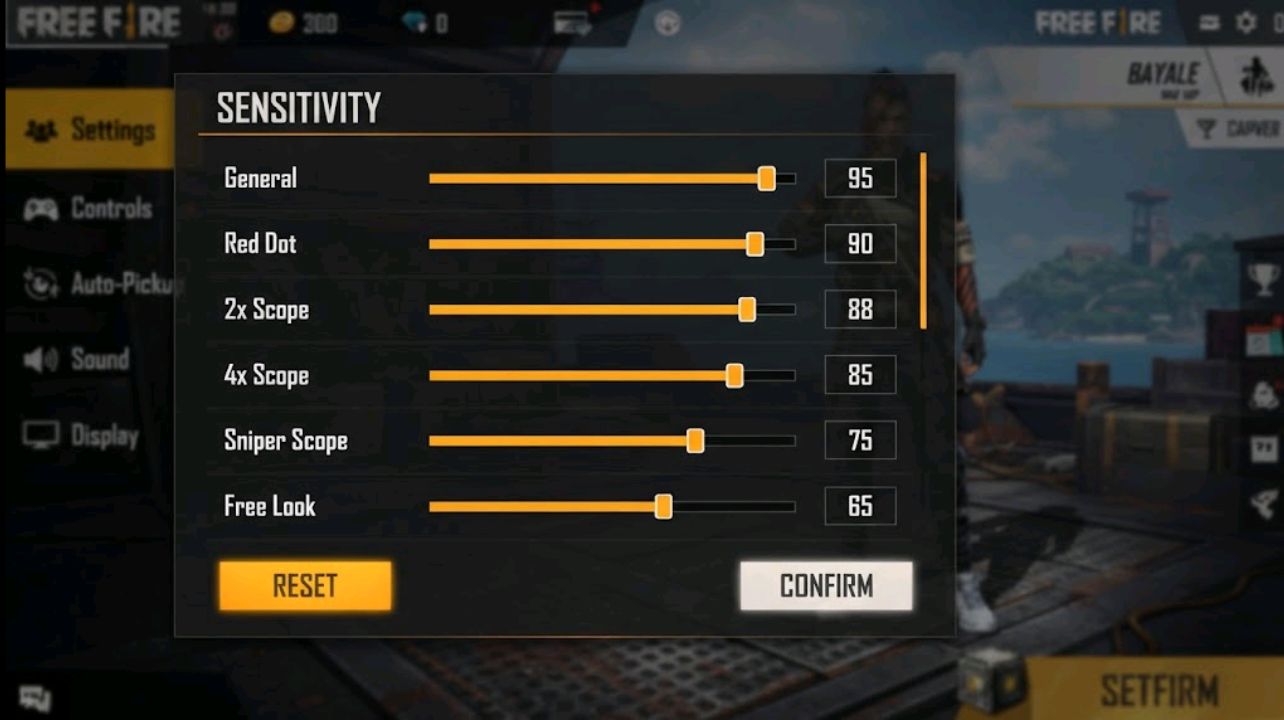
A technique is only as good as your ability to execute it consistently, and that comes down to control settings, not raw talent. Sensitivity doesn’t make a movement technique automatically better — what actually matters is whether your camera and aim controls let you track a target while you’re moving. A drop shot or a stutter-step is mostly a control-layout and reaction-time issue; sensitivity affects how cleanly you can re-aim afterward. There’s no universal number here — it depends on your screen size and finger placement — so make small adjustments in Training Grounds instead of copying another player’s exact settings.
Positioning still beats movement tech
A stutter-step won’t save you if you’re caught in the open with no cover within reach. Before a fight starts, it’s worth scanning for the nearest gloo-wall-able object or terrain fold, because movement techniques work best as an extension of positioning, not a replacement for it. Squads that rotate early toward high ground tend to need fewer of these tricks in the first place, simply because they’re not getting caught in disadvantageous fights as often.
Practicing without wasting ranked matches
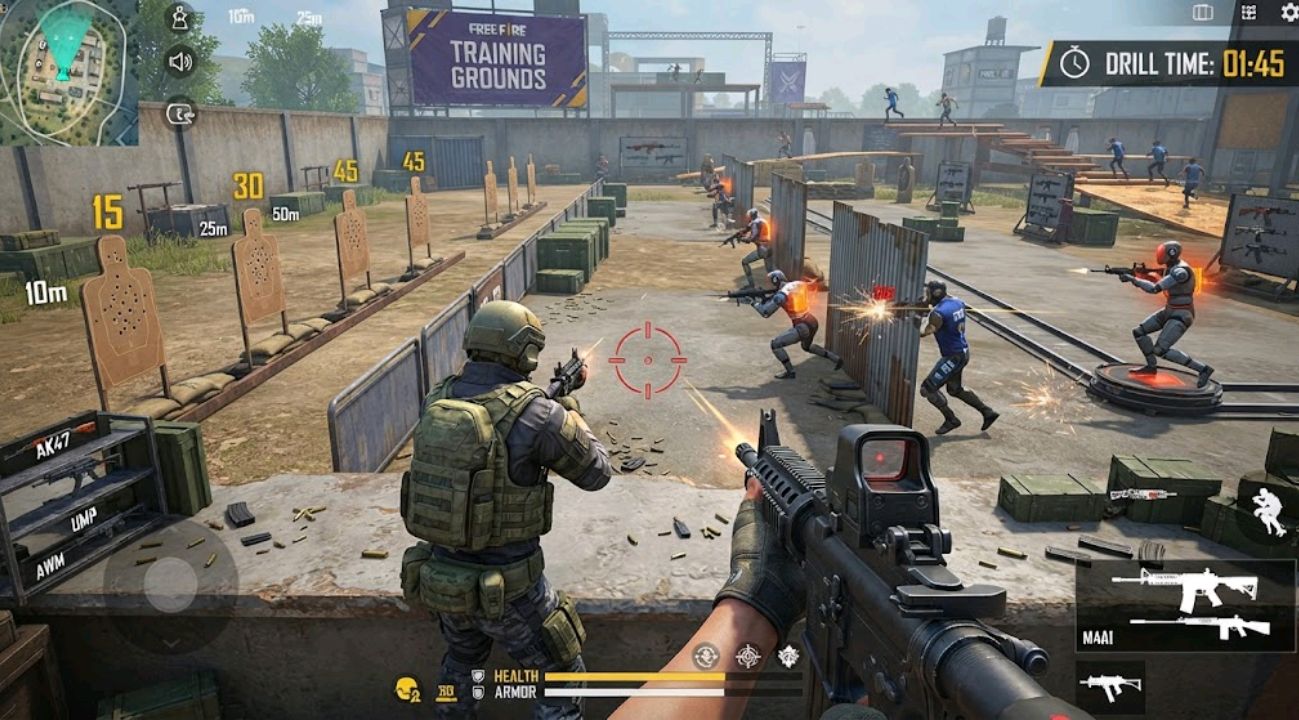
Spending ten minutes in Training Grounds running drop-shot and crouch-peek drills before jumping into ranked can make these movements feel more instinctive under pressure. Muscle memory built in a low-stakes mode transfers better than trying to learn mid-fight in a ranked lobby where one mistake ends the match.
FAQ
Does drop shotting still work after recent balance updates? Drop-shot effectiveness can change with game updates, so it’s worth practicing in Training Grounds before relying on it in ranked matches. Treat it as a short movement change to break aim tracking rather than something you repeat constantly.
What’s the single best movement habit for beginners? Crouch-peeking before pushing an angle. It’s one of the easiest techniques on this list to learn, and it prevents the most common beginner mistake: walking into an angle at full height with no information.
Do movement techniques matter less at lower ranks? Somewhat. Lower-rank lobbies tend to have less consistent aim overall, so positioning mistakes get punished less severely. That said, building these habits early tends to pay off once you climb into lobbies with tighter aim and faster reaction times.
Can gyroscope be avoided entirely and still play well? Yes. Gyroscope is optional, and plenty of players succeed with touch controls alone. It’s primarily an aiming aid rather than something the movement techniques above depend on. If you do use it, tune it separately from your movement controls and adjust sensitivity gradually instead of copying another player’s exact settings.
For a broader look at what’s changed in the game this year, see our Free Fire 2026 updates roundup.


Comments 0
Leave a comment