Table of Contents
Open Table of Contents
Overview
This is not a spec sheet comparison.
I’m not going to list megapixels and aperture numbers and pretend that tells you anything useful about how a photo actually looks when you pull it up on your screen later.
What I want to get into is which iPhones — specifically the iPhone 17 Pro Max, iPhone 16 Pro, iPhone 16, and iPhone 15 Pro — actually hold up in 2026 when you’re shooting in real conditions. Not a studio. Not controlled lighting. Real situations where phones either deliver or quietly embarrass you.
The gap between iPhone models has shifted in ways most buying guides still haven’t acknowledged. Some of that shift helps you. Some of it means certain “upgrades” aren’t worth what they’re asking.
The iPhone Camera Landscape Has Genuinely Changed
A few years back, the answer was simple: buy the Pro, get the best camera. That was it.
Apple changed that by pushing computational photography features — previously Pro-only — down to the standard lineup. The iPhone 16 ships with Camera Control. The processing pipeline is more unified than it’s ever been.
So ranking these phones requires more than pointing at hardware specs. It requires understanding what you lose and what you actually keep when you step down from the Pro tier.
Here’s what I’m measuring on: daylight shots, mixed lighting scenes (sun on one side, shadow on the other), indoor conditions, zoom performance across 2x crop / 3x / 5x optical, low-light noise behavior, and video latitude for post-processing.
1. iPhone 17 Pro Max
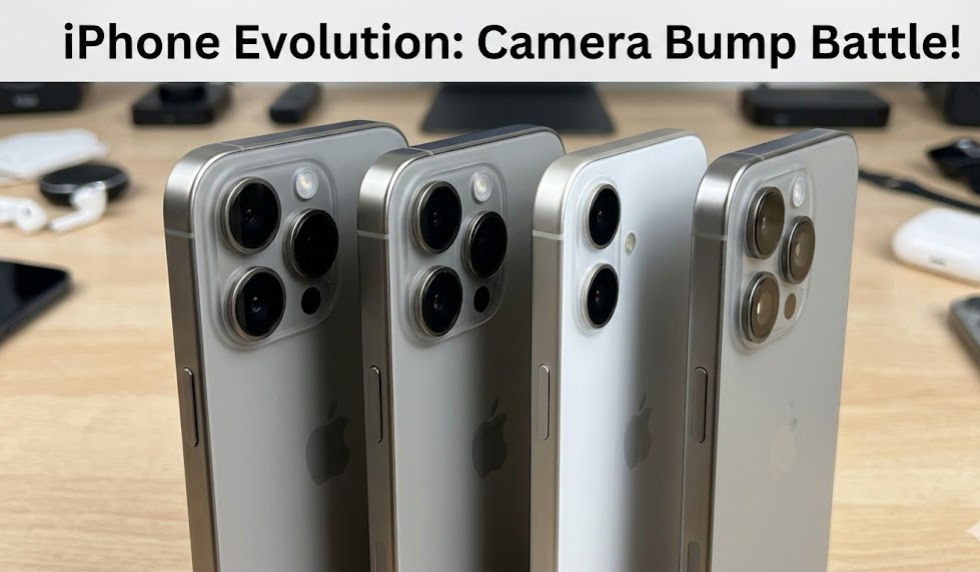
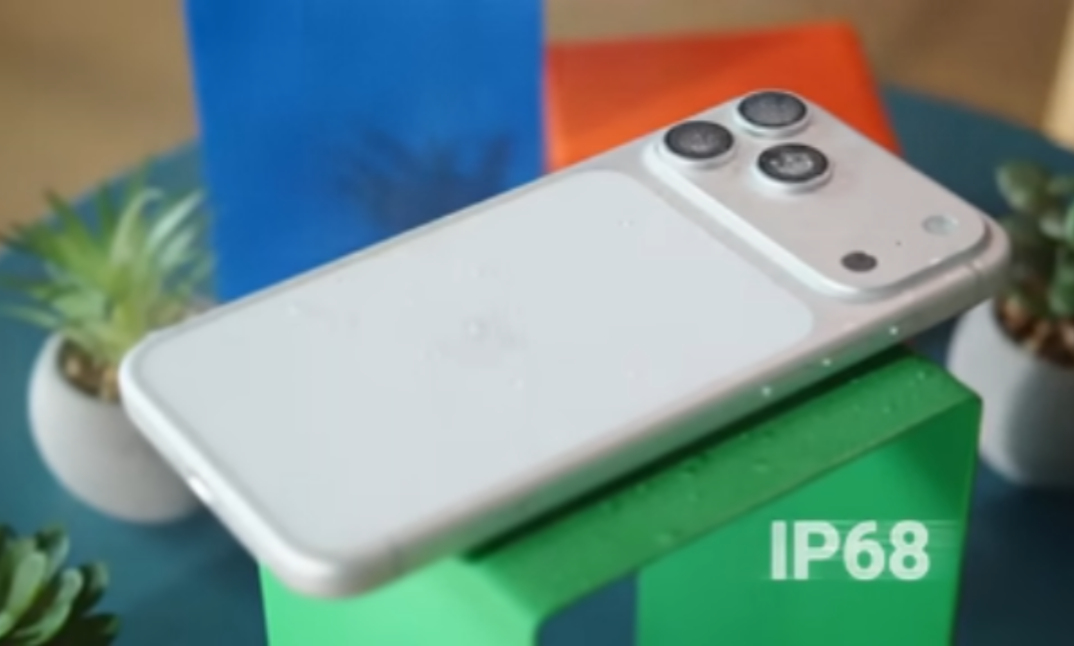 The iPhone 17 Pro Max triple-lens system — 48MP main, 48MP ultrawide, 5x telephoto — all running on Apple’s newest image signal processor.
The iPhone 17 Pro Max is the clearest camera phone Apple has ever shipped.
Not because the specs are dramatically higher. Because the decisions it makes about how to process a photo are smarter than anything in the lineup before it.
The 48MP Fusion main camera with second-generation sensor-shift OIS is real hardware. But the real story is tone mapping behavior. When your subject is standing in direct sun with a shaded background behind them, the iPhone 17 Pro Max distributes luminance across the frame more intelligently than earlier models.
Earlier iPhones — including the iPhone 16 Pro Max — would either preserve the sky and lose detail in the subject’s face, or expose for the face and blow out everything behind. The 17 Pro Max finds a middle path that neither result gives you.
What I observed shooting with it:
- At 5x optical zoom, shooting a subject roughly 15–20 metres away — detail in hair and fabric texture stays clean without software sharpening artifacts becoming obvious at 100% crop.
- In low light, noise appears at smooth gradients (walls, open sky) rather than attacking subject edges. That’s the correct noise distribution. It means the parts of the image you care about stay sharp.
- 4K Cinematic Mode at 60fps with rack focus transitions tracks subjects without the drift that made earlier Cinematic Mode footage look software-processed.
Where the iPhone 17 Pro Max loses:
Night mode portrait in tight indoor spaces. Background blur in under 10 lux conditions looks painted rather than optical. The processing is too aggressive for spaces that small.
I went deeper on Camera Control behavior and specific settings in my iPhone 17 Pro Max real-world tips guide — worth reading alongside this if you’re close to buying.
2. iPhone 16 Pro
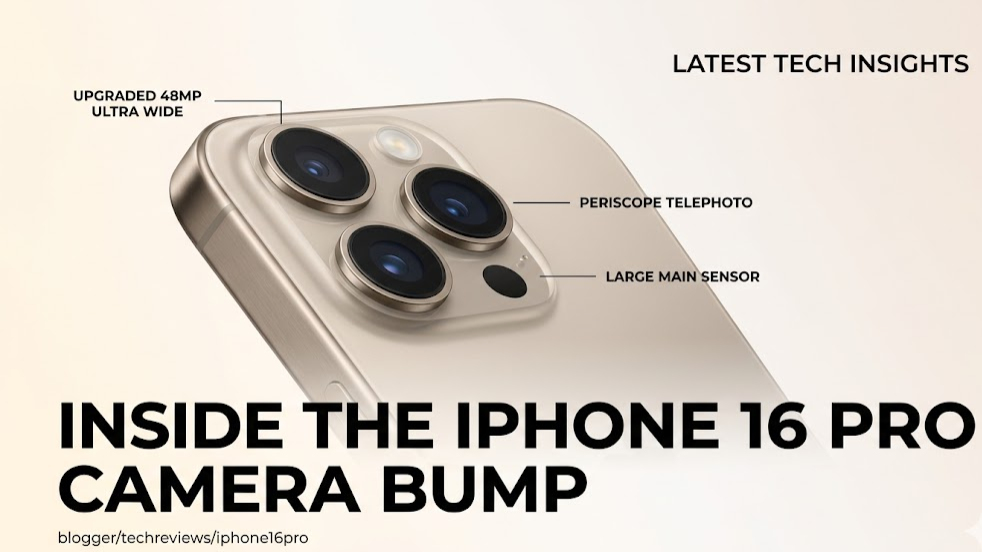 The iPhone 16 Pro was the first standard Pro model to include 5x optical telephoto — previously only available on the Max variant.
The iPhone 16 Pro is the phone I’d recommend to most people who want a serious camera without paying flagship-of-the-year pricing.
Its 48MP main camera shares sensor lineage with the iPhone 17 Pro Max — older ISP tuning, same physical glass. In daylight and golden hour conditions, the output is hard to distinguish between the two models in a blind test. The separation only becomes meaningful in extreme low light or when you’re pushing the telephoto past its clean range.
The 5x optical zoom on the iPhone 16 Pro is worth more attention than it usually gets in reviews.
At 5x, you’re compressing backgrounds in a way that 3x cannot replicate. A speaker on a stage. A bird on a branch. A product across a shop floor. At those distances, 3x leaves too much background in frame and cropping to compensate introduces noise. 5x optical just handles it.
What I observed shooting with it:
- At 5x zoom on a subject roughly 12 metres away in daylight — detail holds cleanly. Beyond 20 metres, digital enhancement becomes visible in high-frequency detail like text on signage or fabric weave.
- ProRes Log output gives real editing latitude. Pulling shadows up +40 in DaVinci on a daylight iPhone 16 Pro Log clip doesn’t introduce banding. That’s not achievable from standard HEVC output.
- Night mode on the main camera keeps blue tones accurate — they don’t drift toward purple the way some earlier models did when pushing exposure in low light.
Where the iPhone 16 Pro loses:
The 48MP ultrawide is impressive on paper. In low light it lags behind the main camera noticeably. An interior room shot with ambient lighting — ultrawide shows smearing in fine detail that the main lens avoids cleanly.
If you’re comparing the iPhone 16 Pro against Samsung Galaxy S-series cameras specifically for still photography, the top Samsung phones for camera quality breakdown covers where each brand actually leads.
3. iPhone 16
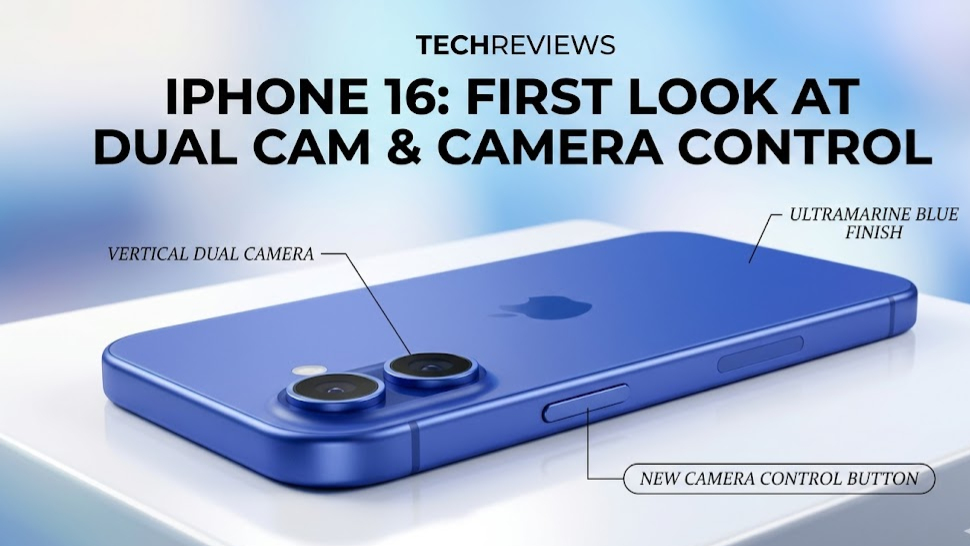 The iPhone 16 was the first standard model to include Camera Control — a physical button for exposure, zoom, and depth without touching the screen.
The iPhone 16 doesn’t belong in a separate conversation from the Pro models the way earlier standard iPhones did.
Apple including Camera Control on the iPhone 16 was the signal that this is a serious camera phone now — not a simplified version of one.
The 48MP main camera on the iPhone 16 shares computational infrastructure with the Pro lineup. Photographic Styles — applied at the RAW processing level before compression — let you shape how the phone handles colour and contrast without the artificial quality loss that comes from post-processing filters.
What I observed shooting with it:
- Side-by-side with the iPhone 16 Pro in daylight — colour is essentially identical. Sharpness difference is only visible at 100% crop on a large display. At web viewing sizes, not distinguishable.
- The 2x zoom is a crop from the 48MP sensor. In daylight it holds detail well. In dim indoor light, cropped-zoom shots show noise that a dedicated telephoto lens would avoid at equivalent distances.
- Portrait mode handles hair separation from background accurately in good light. In mixed light — sun through a window, ambient room light behind — edges around loose strands get slightly smeared.
Where the iPhone 16 loses:
No telephoto lens. There’s no version of this conversation where that limitation disappears. Beyond 2x, you’re cropping — and cropping has a noise ceiling that optical zoom doesn’t hit.
For students weighing the iPhone 16 against mid-range alternatives at similar price points, the best Samsung phones for students comparison is useful context on where the camera trade-offs land across brands.
4. iPhone 15 Pro
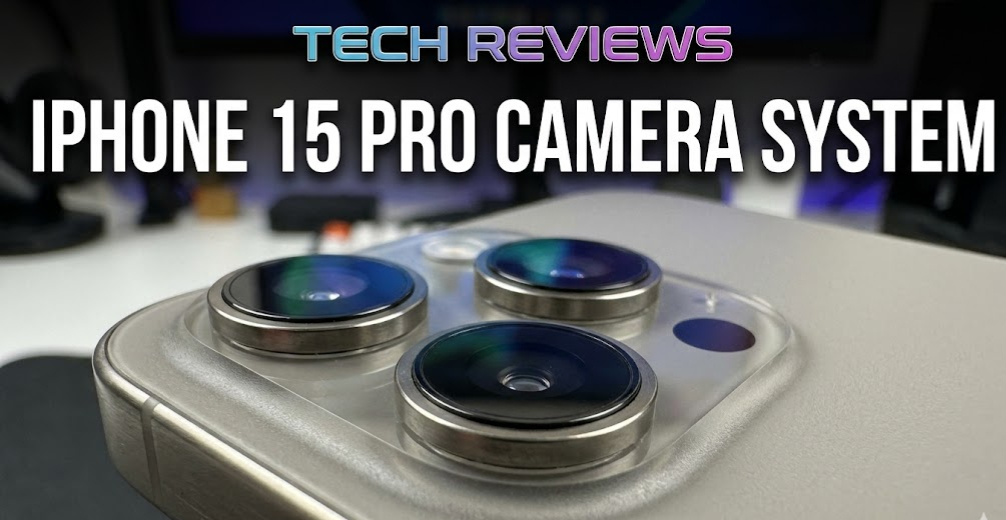 The iPhone 15 Pro introduced titanium construction and ProRes video — both of which still hold up in 2026.
The iPhone 15 Pro in 2026 is a phone that should not be written off.
It has a 48MP main camera, ProRes video with Log profile support, spatial video, and the A17 Pro chip. None of those things have aged out of relevance.
What has aged is the 3x telephoto on the standard iPhone 15 Pro.
At 3x optical zoom, you’re in an awkward focal range. Close enough that your ultrawide is already too wide to bother with. Far enough that 3x often isn’t far enough for what you actually want telephoto to do — compress backgrounds, isolate subjects at real distances, shoot across a space.
The iPhone 15 Pro Max had 5x. The standard iPhone 15 Pro didn’t. If you’re shopping used, that distinction matters more than almost anything else in the spec comparison.
What I observed shooting with it:
- Main camera output at 48MP is sharp and colour accurate. Side-by-side with iPhone 16 main camera in daylight — difference is visible only at 100% crop.
- ProRes Log gives the same editing ceiling as newer models. Log is Log — the latitude difference between a 15 Pro and 16 Pro ProRes clip in a standard editing scenario is not meaningful in practice.
- Night mode takes longer to acquire than the 16 and 17 generation. Shooting a moving subject in low light — the longer acquisition time means more shots lost to blur.
Where the iPhone 15 Pro loses:
No Camera Control. The Action button is useful, but it’s one-configurable-function, not the multi-axis input surface the newer models ship with. The physical shooting experience is a step back.
For buyers evaluating the iPhone 15 Pro on a tighter budget — especially against current refurbished pricing — the best iPhones under ₦300,000 in Nigeria post has the most direct breakdown of where the value actually lands.
Model-by-Model Camera Comparison
| iPhone Model | Main Sensor | Telephoto | Ultrawide | ProRes Log | Camera Control |
|---|---|---|---|---|---|
| iPhone 17 Pro Max | 48MP (gen 2 ISP) | 5x optical | 48MP | Yes | Yes |
| iPhone 16 Pro | 48MP | 5x optical | 48MP | Yes | Yes |
| iPhone 16 | 48MP | 2x (crop only) | 12MP | No | Yes |
| iPhone 15 Pro | 48MP | 3x optical | 12MP | Yes | No |
| iPhone 15 | 48MP | 2x (crop only) | 12MP | No | No |
The Specs That Actually Shape Your Photos
Megapixels are the least useful number to compare. Here’s what actually changes how your images look:
| Spec | Why It Changes Your Photos |
|---|---|
| ISP generation | Controls tone mapping, noise reduction logic, colour accuracy per scene |
| Aperture (f/1.78 vs f/2.2) | Lower number = more light gathered = cleaner low-light, shallower DOF |
| Sensor-shift OIS | Stabilises the sensor body itself — reduces camera shake in video more than lens OIS alone |
| Optical zoom level | Real glass at that focal length — no quality loss unlike digital zoom or crop |
| ProRes + Log support | Flat profile = editing latitude without banding when pushing exposure in post |
| Ultrawide resolution | 48MP vs 12MP ultrawide changes how far you can crop without visible degradation |
If battery performance while shooting is part of your decision — 4K ProRes recording drains fast — the best iPhones for battery life comparison is worth reading before you commit. A full day of shooting 4K changes the conversation around which model makes sense.
Which One Should You Buy?
Video creators: iPhone 16 Pro or iPhone 17 Pro Max. ProRes Log is the reason — not the megapixels. If footage goes into an editor, Log gives you a ceiling that compressed HEVC simply doesn’t have.
Everyday shooting: iPhone 16. Camera Control, 48MP main, Photographic Styles — this phone handles 90% of what most people shoot without the Pro price gap.
Telephoto reach: iPhone 16 Pro minimum. At distances beyond 10 metres, 5x optical and 2x crop are genuinely different categories. 3x splits the difference uncomfortably.
Tight budget: iPhone 15 Pro (used or refurbished). Still competitive against most mid-range Android cameras. Prioritise the Max variant if telephoto range matters to your shooting.
FAQ
Which iPhone has the best camera in 2026? The iPhone 17 Pro Max. The improved ISP tone mapping in mixed lighting, the 5x optical telephoto, and the most refined Camera Control Apple has shipped make it the clearest answer if budget isn’t the constraint.
Is the iPhone 16 camera as good as the iPhone 16 Pro? On the main camera in daylight — practically identical. The gaps open in low light, telephoto (2x crop vs 5x optical), and video (the iPhone 16 Pro adds ProRes Log). If those three things don’t come up regularly in your shooting, the iPhone 16 is a strong camera.
Should I buy an iPhone 15 Pro in 2026? Yes, at the right price — especially used or refurbished. The 48MP main sensor and ProRes video are still competitive. The caveat: standard iPhone 15 Pro has 3x telephoto, not 5x. If that matters to your shooting, find the 15 Pro Max instead.
Do iPhone cameras beat Samsung cameras in 2026? For video: iPhone leads — ProRes, Log, colour consistency across lenses. For still photography: genuinely competitive. Samsung Galaxy S-series and Google Pixel both challenge iPhones in specific scenarios — night photography, skin tone rendering, extreme zoom.
What’s the point of Camera Control on iPhone 16 and 17? It’s a physical button that controls exposure, zoom, and depth field sequentially without touching the screen. Your grip stays stable while adjusting — you keep the frame while changing settings. Muscle memory takes a couple of weeks. Once it’s there, tap-to-shoot feels imprecise by comparison.
Is ProRes video worth caring about? Only if you edit your footage. If videos go directly from phone to social media unedited, ProRes adds file size with no visible benefit. If you cut clips in any editor — CapCut, DaVinci, Premiere — Log gives you exposure and colour latitude that compressed HEVC doesn’t. The difference between footage that grades cleanly and footage that falls apart when you touch it.
Which iPhone is best for portrait photography? The iPhone 17 Pro Max in good light, the iPhone 16 Pro as a close second. Portrait mode accuracy — hair edge separation, natural background blur — is strongest on the Pro models. The iPhone 16 handles portraits well in good light; it gets messy faster as conditions get difficult.