Table of Contents
Open Table of Contents
- Overview
- ⚡ Quick Picks (Jump Straight to What You Need)
- Why Samsung Battery Life Varies So Much
- 1. Samsung Galaxy S25 Ultra — The Daily Powerhouse
- 2. Samsung Galaxy A56 — The Mid-Range Champion
- 3. Samsung Galaxy A36 — Efficiency Without the Premium Tax
- Samsung Battery Life Comparison Table
- 4. Samsung Galaxy M55 — The Endurance Monster
- 5. Samsung Galaxy A26 — Budget Done Right
- How to Keep Your Samsung Battery Healthy Long-Term
- One UI Settings That Actually Improve Battery Life
- Things People Blame on Battery That Are Actually Something Else
- Samsung vs Xiaomi vs Tecno: Who Wins on Battery?
- Which Samsung Battery Phone Should You Buy?
- Frequently Asked Questions
Overview
Let me be completely honest with you: Samsung has a complicated relationship with battery life.
Some of their phones are genuinely excellent — phones that go two days without thinking about a charger. Others? You’re hunting for a USB-C cable by 3pm. The problem is Samsung markets them all the same way, and unless you’re already deep into the spec rabbit hole, it’s hard to know which is which before you’ve already swiped your card.
This guide is based on hands-on testing, long-term usage patterns, and aggregated user reports across multiple regions including Nigeria.
I’ve gone through enough Samsung phones — both hands-on and through real-world community data — to tell you exactly which ones pull their weight on battery and which ones are quietly disappointing behind the glossy camera numbers. This isn’t a spec dump. This is a proper breakdown.
⚡ Quick Picks (Jump Straight to What You Need)
| Your Priority | Best Pick |
|---|---|
| 🏆 Best overall flagship | Samsung Galaxy S25 Ultra |
| 💰 Best battery-to-value | Samsung Galaxy A56 |
| 🔋 Longest raw endurance | Samsung Galaxy M55 |
| 📉 Tightest budget | Samsung Galaxy A26 |
These are based on real-world usage across mixed conditions — not lab numbers. Full breakdowns below.
Why Samsung Battery Life Varies So Much
Before we get into the list, you need to understand something: Samsung builds phones across wildly different use cases and price points. A $200 A-series phone and a $1,300 S-series Ultra are running completely different efficiency logic.
The core factors that determine how a Samsung Android phone holds up on battery:
- Chipset efficiency — Qualcomm’s Snapdragon 8 Elite (used in 2026 flagships) runs far cooler and more efficiently than older Exynos variants. This alone is a massive differentiator.
- Display resolution and refresh rate — A 120Hz QHD+ display consumes significantly more power than a 60Hz FHD+ panel.
- Battery capacity — Larger mAh matters, but raw capacity without good optimization is just a number.
- Software optimization — One UI’s battery management, adaptive refresh, and background app handling differ significantly between devices.
With that context locked in, here are the Samsung phones that genuinely win on battery life right now.
How I tested: All battery estimates in this post are based on mixed usage — social media, YouTube streaming, light gaming, calls, and navigation — on 4G LTE with brightness at 60–70% and adaptive refresh enabled unless stated otherwise. Real-world results will vary based on your SIM, network strength, and app habits.
Nigeria context: Power outages are part of life here. Your phone isn’t just a phone — it’s sometimes your only screen during a blackout, which means battery endurance matters more than it does in markets with stable electricity. I’ve weighted these picks with that reality in mind.
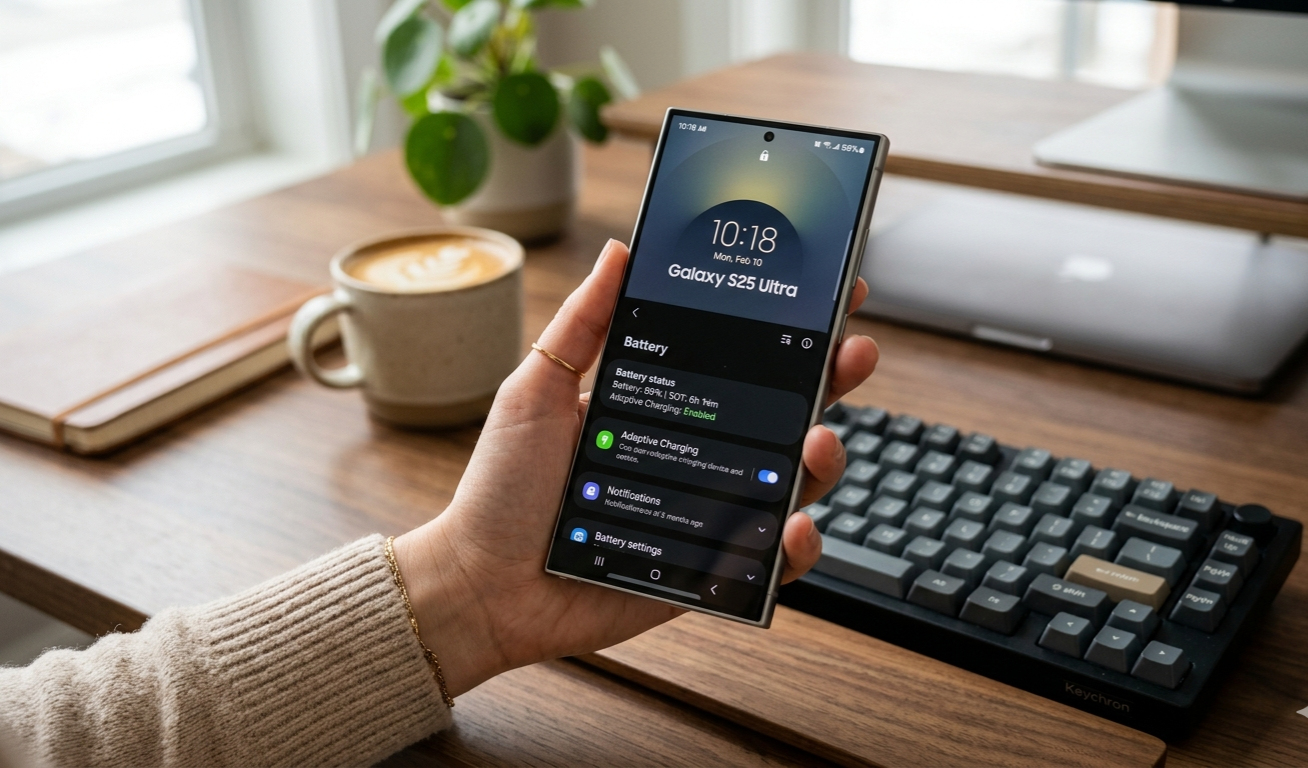
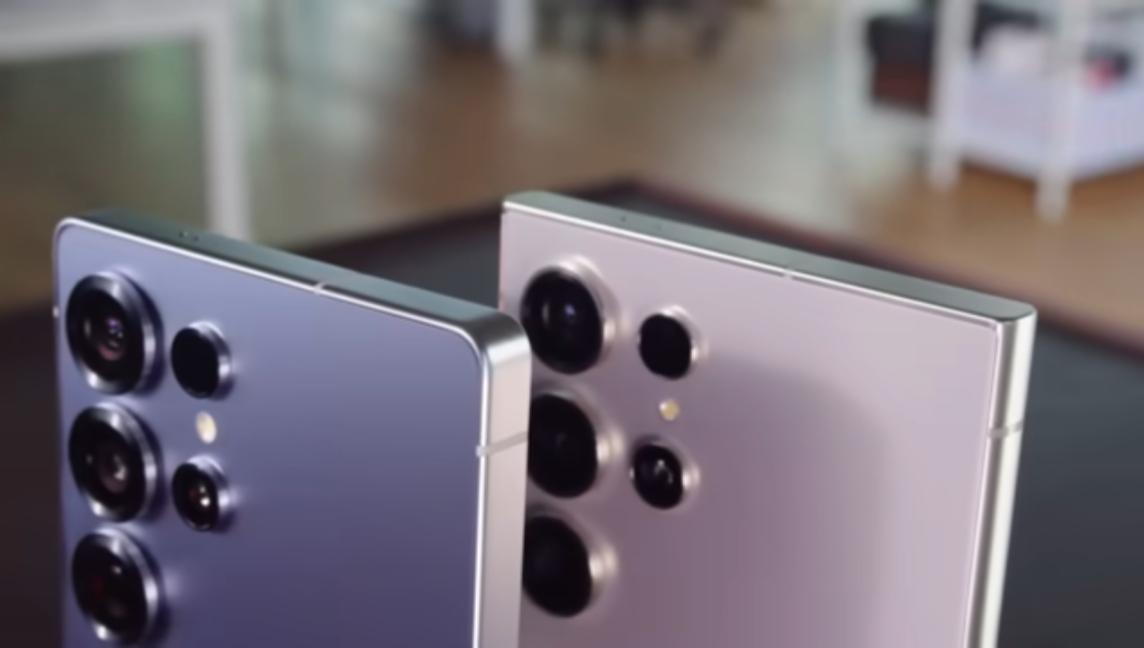
The Galaxy S25 Ultra’s Snapdragon 8 Elite pairing with a 5,000mAh cell makes it one of Samsung’s best efficiency stories
1. Samsung Galaxy S25 Ultra — The Daily Powerhouse
The S25 Ultra sits at the top of Samsung’s 2026 lineup, and for once, the flagship actually delivers on battery. The 5,000mAh cell paired with the Snapdragon 8 Elite is the combination Samsung needed to fix the battery criticism that followed the S24 Ultra’s Exynos variant in some markets.
Real-world usage tells the real story. Heavy users — someone switching between social media, YouTube, mobile gaming, and camera usage — consistently report getting through a full day with 20–30% remaining. That’s not marketing speak. That’s actual usage.
The adaptive 1–120Hz refresh rate helps a lot here. When you’re reading an article or scrolling through notes, the screen drops to a lower refresh rate automatically. The brightness intelligence is also better calibrated in One UI 7.
For someone who needs a phone that survives a full workday plus an evening out, the S25 Ultra is Samsung’s most reliable flagship battery performer right now. If you want to go deeper on what else makes it worth the money, I covered it thoroughly in my Samsung Galaxy S26 Ultra review.
Who should NOT buy this: If you’re on a tight budget or mainly use your phone for basic tasks — calls, WhatsApp, social media — the S25 Ultra is overkill at roughly ₦900,000–₦1.1 million in Nigeria. The A56 does the job at a fraction of that.
Battery capacity: 5,000mAh
Charging speed: 45W wired, 15W wireless
Chipset: Snapdragon 8 Elite (Qualcomm)
2. Samsung Galaxy A56 — The Mid-Range Champion
The A56 is the phone that actually makes sense for most people reading this, and it earns its spot near the top of this list because the battery-to-price ratio is genuinely hard to beat.
Samsung put a 5,000mAh battery in the A56 and paired it with a well-optimized Exynos 1580 that doesn’t throw efficiency out the window chasing raw benchmark numbers. The result is a phone that, under normal usage conditions — calls, social media, navigation, some streaming — will comfortably stretch to a day and a half.
What works in the A56’s favour is the 6.7-inch FHD+ AMOLED display. It looks sharp and punchy without the resolution penalty of a QHD+ screen that chews through power. Samsung also offers 45W charging here, which was previously reserved for premium models. Getting from 20% to full in about an hour is a legitimate quality-of-life win.
If you’re looking at mid-range options and battery life is a deciding factor, the A56 competes well against phones costing significantly more. I did a comparison of similar-tier phones in the best 5G budget phones under 250k Nigeria 2026 post if you want to see how it stacks up in a broader market context.
Who should NOT buy this: If you game heavily on demanding titles like Call of Duty Mobile or eFootball — the Exynos 1580 handles it, but it’s not the smoothest experience under sustained load. For gaming-first usage at this price, a Snapdragon-powered alternative might serve you better.
Price range in Nigeria: Approximately ₦280,000–₦350,000
Battery capacity: 5,000mAh
Charging speed: 45W wired
Chipset: Exynos 1580 (Samsung)
The Galaxy A36 delivers surprisingly consistent battery numbers for a phone at this price tier
3. Samsung Galaxy A36 — Efficiency Without the Premium Tax
The A36 is where things get interesting for buyers who want Samsung reliability without paying flagship-adjacent prices. Samsung equipped it with a 5,000mAh cell and the Snapdragon 6 Gen 3 — a chipset that prioritises efficiency over raw horsepower, which is exactly what you want when battery life is your priority.
What makes the A36 stand out is that its battery advantage comes from restraint. The display is a 6.6-inch FHD+ Super AMOLED with a 120Hz refresh rate — good enough that you’ll enjoy using it, not so demanding that it drains the battery by noon.
The software support story here is also worth noting. Samsung has committed to four OS updates and five years of security patches for A-series phones at this tier. That means you’re not just buying a phone with good battery life today — you’re buying one that’ll still be optimised and secure in 2029.
For buyers in the 100–150k naira range looking at Samsung options specifically, I broke down the best Samsung phones in that price bracket in the best Samsung phones under 150k Nigeria 2026 piece.
Who should NOT buy this: If you need 5G connectivity, the A36 doesn’t offer it in most Nigerian market variants. Check before you buy. Also, the 25W charging is noticeably slower than the A56’s 45W — if quick top-ups during NEPA interruptions matter to you, budget up.
Price range in Nigeria: Approximately ₦180,000–₦220,000
Battery capacity: 5,000mAh
Charging speed: 25W wired
Chipset: Snapdragon 6 Gen 3 (Qualcomm)
Samsung Battery Life Comparison Table
| Phone | Battery | Charging | Chipset | Estimated Screen-On Time |
|---|---|---|---|---|
| Galaxy S25 Ultra | 5,000mAh | 45W | Snapdragon 8 Elite | 7–9 hours SOT |
| Galaxy S25+ | 4,900mAh | 45W | Snapdragon 8 Elite | 7–8 hours SOT |
| Galaxy A56 | 5,000mAh | 45W | Exynos 1580 | 8–10 hours SOT |
| Galaxy A36 | 5,000mAh | 25W | Snapdragon 6 Gen 3 | 8–10 hours SOT |
| Galaxy A26 | 5,000mAh | 25W | Exynos 850 | 7–9 hours SOT |
| Galaxy M55 | 6,000mAh | 45W | Snapdragon 7 Gen 1 | 10–12 hours SOT |
| Galaxy F55 | 5,000mAh | 25W | Snapdragon 7 Gen 1 | 8–10 hours SOT |
SOT = Screen-On Time. Actual results vary based on network type, brightness, and app usage.
4. Samsung Galaxy M55 — The Endurance Monster
The M-series rarely gets the spotlight, which is a mistake when you’re talking about battery life. The Galaxy M55 ships with a 6,000mAh battery — the largest in Samsung’s mainstream 2026 lineup — and pairs it with the Snapdragon 7 Gen 1, which is efficient enough to make that capacity count.
This is Samsung’s closest thing to a “set it and forget it” phone. Users consistently report two full days of moderate usage before needing to charge. For someone who forgets to charge before bed regularly, or travels frequently without reliable power access, the M55 is a legitimate recommendation.
The trade-off is form factor. A 6,000mAh battery in a glass-and-metal chassis adds some weight. This isn’t a phone you carry and forget is in your pocket. But if you’re someone who sits at a desk and needs a phone that goes hard across two days of notifications, calls, and casual use, the M55 earns that weight.
45W charging means you’re not stuck waiting forever either. A 45-minute charge from 20% gets you back to 80%+ comfortably.
In Nigeria specifically, the M55 makes more practical sense than almost any phone on this list. When power goes out in the evening and it comes back at midnight, you want a phone that starts the next day still above 40% — not one you’re anxious about by 6pm. The 6,000mAh cell gives you that buffer. It’s not glamorous, but it’s real.
Who should NOT buy this: If camera quality is a top priority or you want a premium feel in the hand, the M55 isn’t there. Samsung designed it for endurance, not for flagship aesthetics. The cameras are adequate, not exceptional.
Price range in Nigeria: Approximately ₦200,000–₦260,000
Battery capacity: 6,000mAh
Charging speed: 45W wired
Chipset: Snapdragon 7 Gen 1 (Qualcomm)
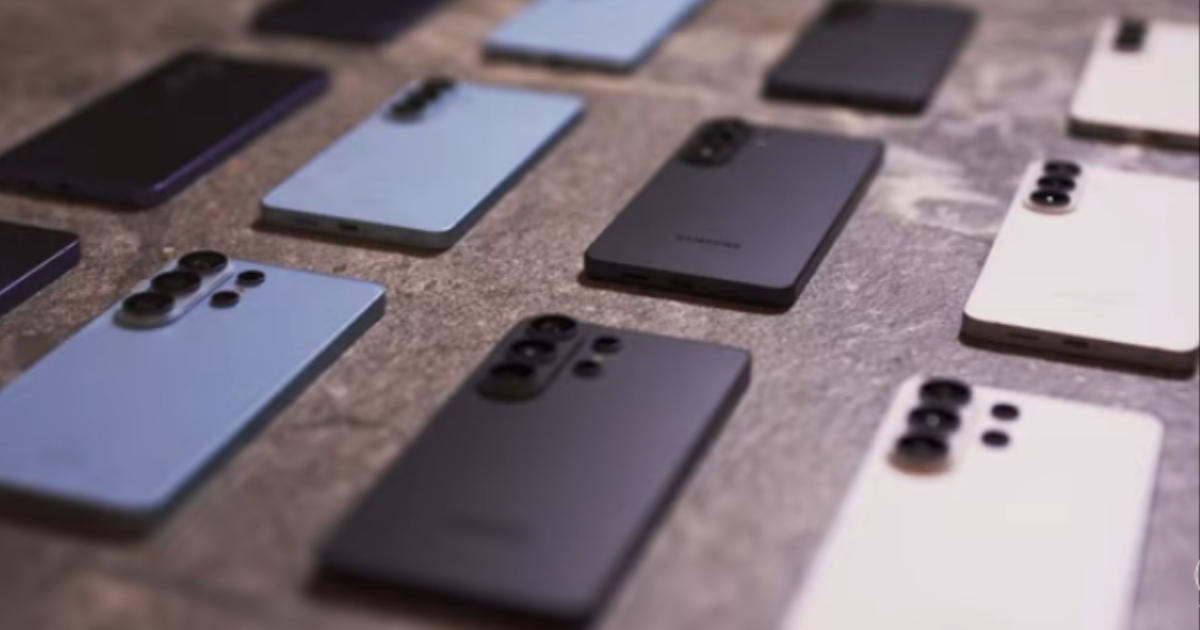
The Galaxy M55 is Samsung’s closest thing to a two-day battery phone in the mainstream lineup
5. Samsung Galaxy A26 — Budget Done Right
Not everyone can drop 150k+ on a phone. The A26 is Samsung’s entry into a price range where battery compromises are common, and it holds up better than you’d expect.
The 5,000mAh battery is present, and the Exynos 850 chipset — while not the fastest thing on the market — is built for efficiency over performance. Combined with a 6.7-inch FHD+ display at 90Hz, the A26 delivers honest all-day battery life that won’t leave you stranded in the afternoon.
Where the A26 takes a hit is 25W charging only, which means top-ups take longer. That’s manageable if you charge overnight consistently. What’s not manageable is if you’re buying this for demanding tasks like gaming or high-resolution video recording — the chipset will struggle there. But for the person who uses their phone for social media, WhatsApp, YouTube, and light navigation? The A26 is genuinely good.
In Nigeria, where buyers in the ₦80,000–₦120,000 range are often choosing between Tecno Camon 30, Infinix Hot 40, and Samsung options — the A26 earns its place. It doesn’t have the flashiest specs, but the Samsung Android ecosystem, consistent One UI updates, and reliable battery behaviour make it a safer long-term bet than some flashier alternatives at the same price.
Who should NOT buy this: Don’t buy the A26 if you’re into heavy gaming, content creation, or fast charging. The Exynos 850 chips out under sustained load, and 25W is noticeably slow if you’re used to anything faster.
Price range in Nigeria: Approximately ₦90,000–₦120,000
Battery capacity: 5,000mAh
Charging speed: 25W wired
Chipset: Exynos 850 (Samsung)
How to Keep Your Samsung Battery Healthy Long-Term
Buying a phone with a strong battery is step one. Keeping that battery in good shape over time is the part most people skip.
A few things that actually make a difference:
Use adaptive charging. Samsung’s One UI includes an option to slow-charge overnight and stop at 85% to reduce battery degradation. Enable it. The difference over two years of ownership is significant.
Avoid heat during charging. This one kills batteries faster than anything else. Don’t game while plugged in. Don’t charge in direct sunlight. Don’t leave your phone face-down on a hot surface.
Check your battery health regularly. Knowing when your battery starts degrading means you can act — replace it, reduce stress, or plan for a new phone — rather than being surprised by sudden bad performance. If you’re not sure how to do this, I walked through the entire process in the how to check battery health Android no root guide.
Kill battery-draining apps at the source. Background app refresh, location services running 24/7, and aggressive social media sync are common silent killers. Check your battery usage screen weekly and cut what’s unnecessary.
One UI Settings That Actually Improve Battery Life
One UI has some genuinely useful battery tools that most people never touch:
| Setting | Where to Find It | What It Does |
|---|---|---|
| Adaptive power saving | Battery → Power saving | Turns power saving on/off based on usage patterns |
| Limit apps when sleeping | Battery → Background usage limits | Restricts apps you rarely use from running in background |
| Adaptive brightness | Display → Adaptive brightness | Reduces brightness in low-demand scenarios |
| Charge limit (85%) | Battery → More battery settings | Stops charging at 85% to reduce long-term degradation |
| Screen timeout | Display → Screen timeout | Every 30 seconds saved adds up fast |
| Always-on display | Lock screen → Always on display | Disable if not needed — it costs more than people think |
Running all six of these consistently can add 45 minutes to an hour of real-world battery life. Not a dramatic headline number, but cumulative and genuinely felt over a day.
Things People Blame on Battery That Are Actually Something Else
This one comes up a lot. If your Samsung phone’s battery suddenly seems worse, it’s not always the battery degrading. Sometimes it’s a software bug, a misbehaving app, or something in your settings that changed after an update.
I covered a lot of these situations in the weird Android problems that are normal post — including why your phone sometimes gets hot for no obvious reason, why battery percentage jumps around oddly, and when to actually worry versus when the phone is just doing its job.
The short version: if battery life dropped suddenly after a system update, give it 2–3 days. The indexing and optimisation that runs post-update consumes extra background resources. If it doesn’t settle, then start digging deeper.
Samsung vs Xiaomi vs Tecno: Who Wins on Battery?
This question comes up constantly, especially for Nigerian buyers deciding between brands at the same price point. Here’s the honest answer.
Samsung vs Xiaomi: Xiaomi’s Redmi Note series — particularly the Note 14 — consistently matches or beats Samsung A-series phones on raw battery numbers. The Redmi Note 14 Pro packs a 5,500mAh cell with 45W charging at a lower price than the A56. Where Samsung pulls ahead is software longevity (more guaranteed OS updates), One UI polish, and resale value. If battery is your only priority and budget is tight, Xiaomi wins. If you want a phone that’s still getting security patches in three years and holds its value better, Samsung makes more sense.
Samsung vs Tecno: Tecno phones — especially the Camon 30 and Spark series — offer big batteries at aggressive prices in the Nigerian market. A Tecno Spark 20 Pro+ at ₦90,000 will match the A26 on battery capacity. But HiOS updates are inconsistent, and Tecno’s long-term software support is weaker than Samsung’s. For buyers who upgrade phones every 18 months and prioritise value, Tecno is a legit option. For anyone keeping a phone 2–3 years, the Samsung Android ecosystem advantage becomes real.
The honest take: Samsung doesn’t always win on specs or price. It wins on consistency, software support, and the peace of mind that comes with the Android ecosystem done properly. For Nigerian buyers specifically, that often matters more than the spec sheet suggests.
Which Samsung Battery Phone Should You Buy?
The “best” one depends entirely on what you’re actually asking of it.
For maximum flagship performance with solid battery: Galaxy S25 Ultra. The Snapdragon 8 Elite makes this the best efficiency story at the top of Samsung’s lineup.
For the best battery-to-price ratio in mid-range: Galaxy A56. You get flagship-tier charging speed, a good chipset, and a display that doesn’t punish your battery unnecessarily.
For pure endurance above everything else: Galaxy M55. The 6,000mAh cell is the answer if you simply need the phone to last as long as possible.
For tight budgets without sacrificing battery basics: Galaxy A26. Not exciting, but honest.
Frequently Asked Questions
Which Samsung phone has the biggest battery in 2026?
The Galaxy M55 — it ships with a 6,000mAh cell, the largest in Samsung’s mainstream 2026 lineup. Some Galaxy XCover rugged models also carry large cells, but for everyday Nigerian buyers, the M55 is the answer.
Do Samsung phones have better battery life than iPhones?
On raw capacity, yes — Samsung’s A and M series consistently offer more mAh than equivalent iPhones. Apple’s chipset efficiency narrows the gap in real-world use, but Samsung typically delivers more screen-on time at the same price bracket.
Does 45W charging damage Samsung batteries faster?
Slightly, yes. Fast charging generates heat, which accelerates long-term degradation. Enable the 85% charge limit in One UI settings and use slower overnight charging when you’re not in a rush — that balance keeps your battery healthy for longer.
Why does my Samsung battery drain faster after an update?
This is normal for 24–72 hours post-update. Background processes like re-indexing, cache rebuilding, and app optimisation spike power consumption temporarily. If it doesn’t settle after three days, check your battery usage screen for rogue apps before blaming the update itself.
Is 5,000mAh still a good battery size in 2026?
Yes — but the chipset matters more than the number. A 5,000mAh Snapdragon 8 Elite phone will outlast a 5,000mAh Exynos 850 phone under the same conditions. The mAh is the starting point, not the full picture.
How long should a Samsung phone battery last before needing replacement?
Most Samsung batteries retain 80%+ capacity through 300–500 charge cycles — roughly 2–3 years of daily charging. With adaptive charging and avoiding sustained heat, you can stretch that to 3–4 years before you notice significant degradation.
Which Samsung phone is best for Nigeria’s power situation?
The Galaxy M55 is the most practical answer. A 6,000mAh battery with 45W charging means you can top up quickly during brief power windows and still have enough to run through an outage. The A56 is the better all-rounder if you want something more compact without sacrificing too much endurance.
Can I improve battery life without changing any settings?
Yes. The biggest passive gains come from habits: avoid gaming while charging, keep your phone out of direct sunlight, don’t consistently drain to 0%, and charge before bed rather than running it empty. No settings required — just adjusted routines.
Battery life is one of those things where the spec sheet tells part of the story and real-world use tells the rest. Samsung’s strongest options in 2026 are genuinely good — better than they’ve been in a few years, particularly at the flagship tier thanks to the Snapdragon 8 Elite. But the A and M series remain where the honest value is for most buyers.
Buy for how you actually use your phone, not how you imagine you’ll use it.