Table of Contents
Open Table of Contents
- Overview
- How I’m ranking these
- The lineup at a glance
- Xiaomi 17 Ultra — the one to buy if the camera is the whole point
- Xiaomi 15T Pro — flagship speed without the flagship invoice
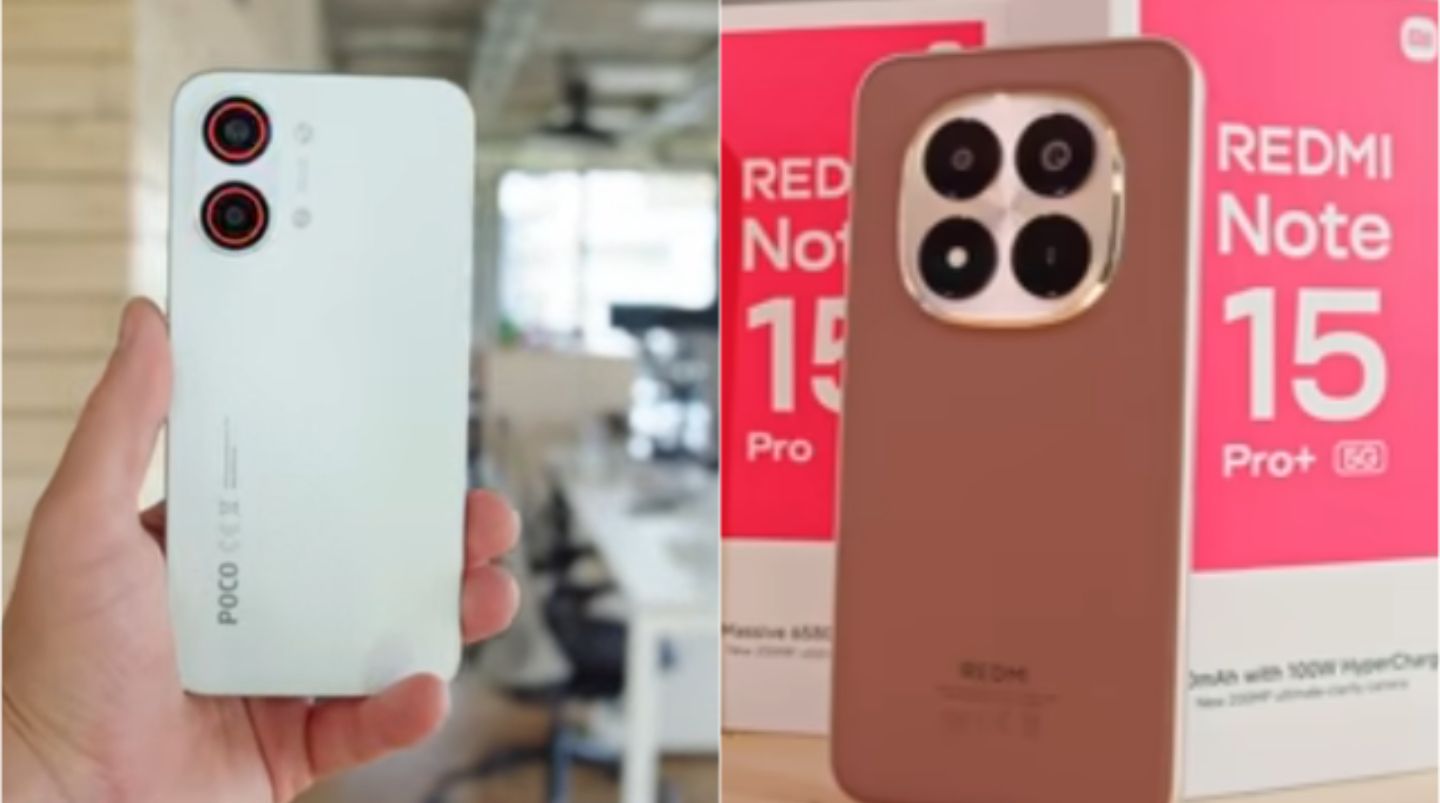
- Redmi Note 15 Pro+ — the mid-range phone I’d actually recommend to family
- Redmi Note 15 Pro — same DNA, smaller bill
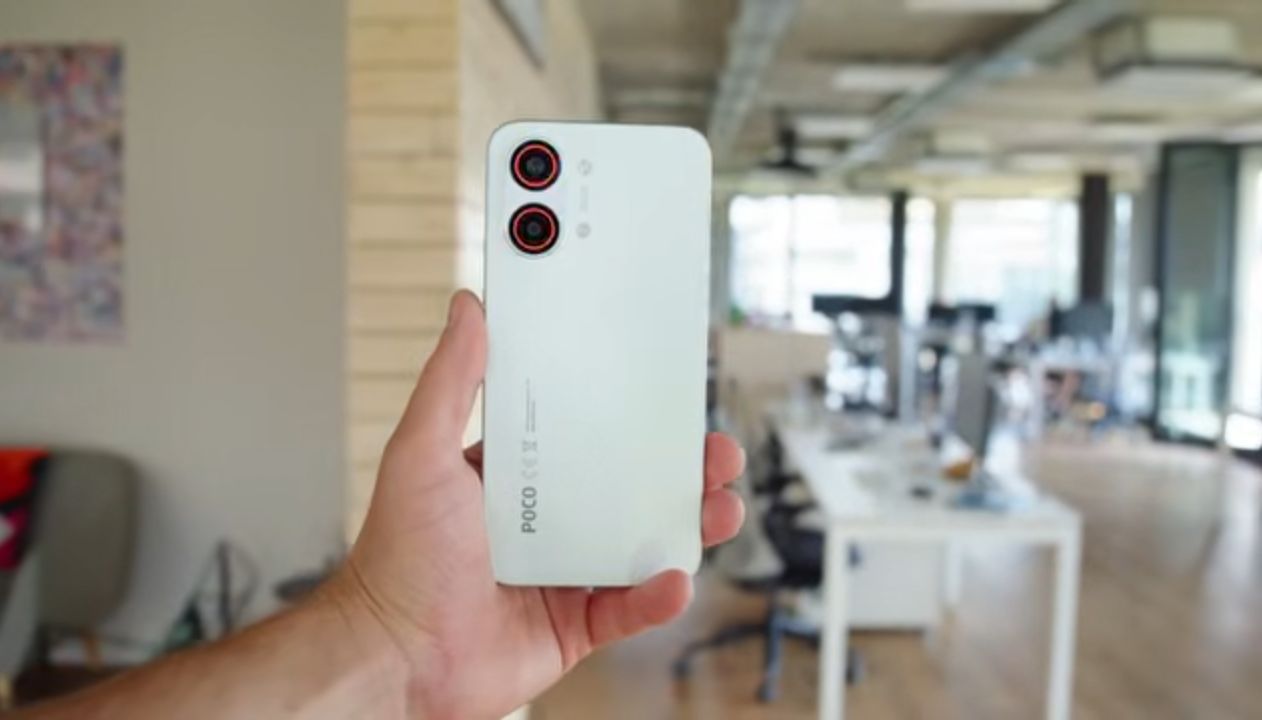
- POCO X8 Pro Max — for people who are tired of charging their phone
- POCO F7 Pro — the gamer’s budget flagship
- Frequently Asked Questions
- Quick picks by need
- Final take
Overview
I’ve lost count of how many times someone has messaged me asking “should I get the Xiaomi or wait for Redmi?” without realizing they’re basically the same company wearing three different hats. Xiaomi, Redmi, and POCO all come out of the same factory, but each line is built to answer a different question. Xiaomi chases flagship prestige, Redmi chases value-for-money volume, and POCO chases raw performance-per-naira. Once that clicks, picking the right one gets a lot easier.
I went through spec sheets, hands-on reviews from trusted outlets, and current Nigerian retail listings to figure out which Xiaomi-family phone actually earns its price tag in 2026 — not just which one has the biggest number on the spec sheet.
How I’m ranking these
No phone here is “the best” in a vacuum. I’m judging each one against what it’s realistically competing with at its price, and against what a typical buyer in Nigeria would actually use it for daily — calls, WhatsApp, camera, gaming, and how long it survives a full day of screen-on time without a charger nearby.
The lineup at a glance
| Model | Best for | Chipset | Battery | Street price (Nigeria) |
|---|---|---|---|---|
| Xiaomi 17 Ultra | Camera-first flagship buyers | Snapdragon flagship-tier | ~5,500 mAh | ₦1.6M – ₦2M+ (import) |
| Xiaomi 15T Pro | Flagship feel, lower cost | MediaTek Dimensity 9400+ | 5,500 mAh | ₦700,000 – ₦900,000 |
| Redmi Note 15 Pro+ | Best mid-range all-rounder | Snapdragon 7s Gen 4 | 6,500 mAh | ₦480,000 – ₦600,000 |
| Redmi Note 15 Pro | Budget camera + battery | MediaTek Dimensity 7400-Ultra | 6,580 mAh | ₦350,000 – ₦440,000 |
| POCO X8 Pro Max | Battery-life extremists | Mid-flagship tier | ~8,500 mAh | ₦550,000 – ₦650,000 (import) |
| POCO F7 Pro | Mobile gamers on a budget | Flagship-adjacent chip | ~5,800 mAh | ₦500,000 – ₦600,000 |
Specs for the Xiaomi 15T Pro, Redmi Note 15 Pro, and Redmi Note 15 Pro+ come from Xiaomi’s official spec pages. The Xiaomi 17 Ultra, POCO X8 Pro Max, and POCO F7 Pro figures are based on early outlet reporting and are worth double-checking against the official listing at the time you buy, since exact regional variants can differ. Prices above are approximate ranges pulled from Jiji.ng listings and Lagos gadget stores as of this writing. Grey-market and import units swing wildly, so treat these as a starting point for negotiation, not a fixed price.
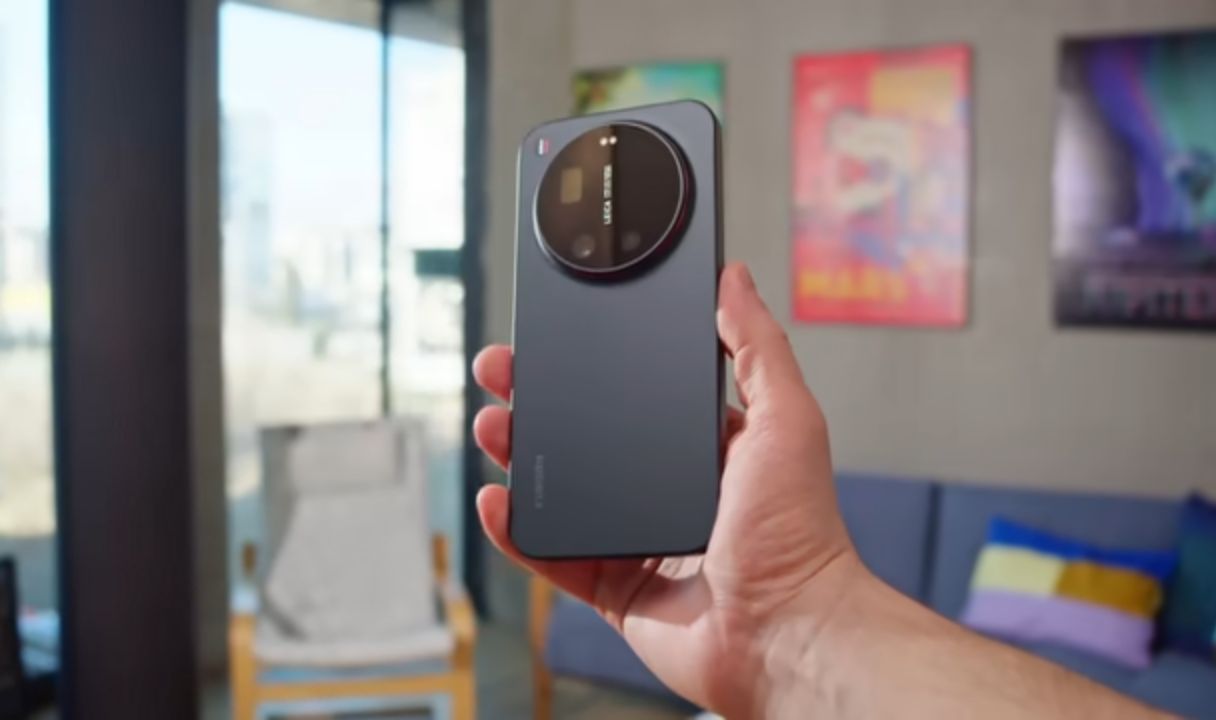
Xiaomi 17 Ultra — the one to buy if the camera is the whole point
This is Xiaomi’s Leica-tuned flagship, and across hands-on reviews, the night mode consistently comes up as the standout feature — more so than the daylight shots, which most flagships nail anyway. Where it struggles is value: this phone only makes sense if you’ll actually use the zoom and portrait modes regularly. If photography isn’t your priority, you’re paying flagship tax for hardware you won’t touch.
Xiaomi 15T Pro — flagship speed without the flagship invoice
Since it’s a step down from the current-generation Ultra, the 15T Pro is now sitting at a genuinely tempting price for what it offers: a MediaTek Dimensity 9400+ chipset that easily handles day-to-day use and gaming, a display that holds its own against phones twice its cost, and a 5,500 mAh battery that doesn’t feel like a compromise. This is the pick for someone who wants “Xiaomi flagship” bragging rights without the Ultra’s price.
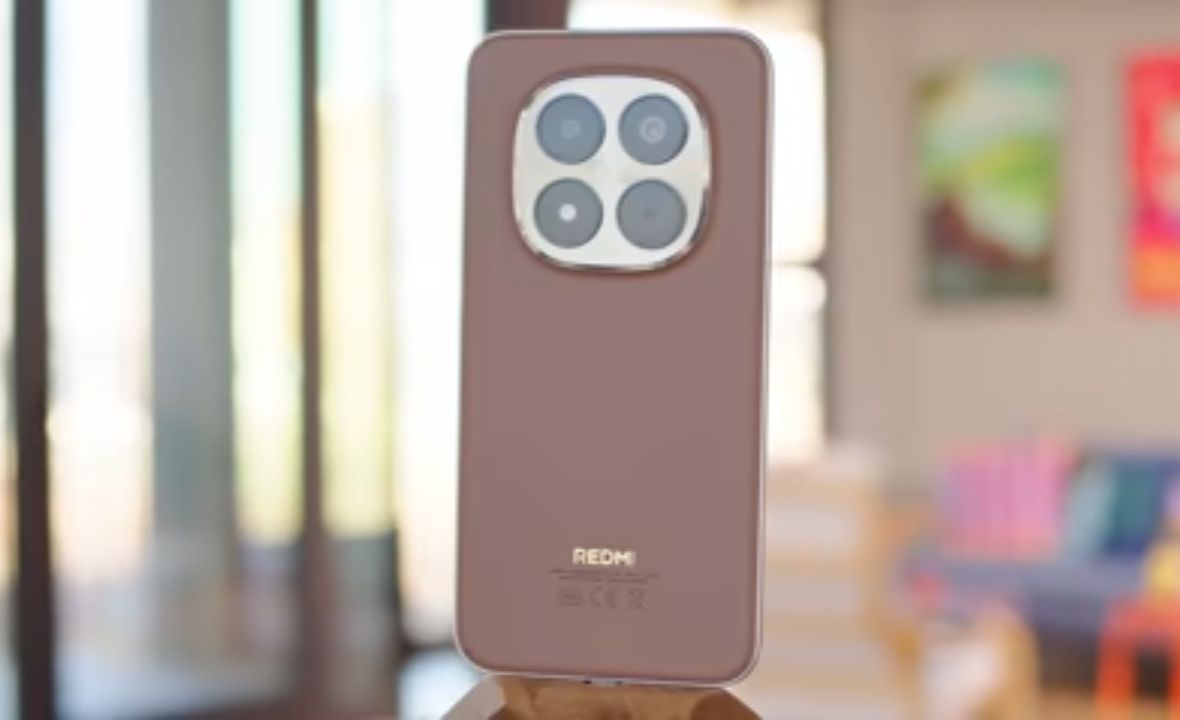
Redmi Note 15 Pro+ — the mid-range phone I’d actually recommend to family
This is where Xiaomi’s 2026 lineup gets interesting for the average Nigerian buyer. A 200MP main camera, IP68/IP69 water resistance, and a battery built around silicon-carbon chemistry that noticeably outlasts older Redmi Notes — community reports across forums consistently mention two full days of moderate use, though your mileage will vary with 5G and screen brightness. At its price bracket, I don’t think there’s a more complete Xiaomi-family phone right now.
Redmi Note 15 Pro — same DNA, smaller bill
Drop the ”+“model and you lose a bit of charging speed and premium material, but the core experience — display quality, camera sharpness, and battery stamina — stays close enough that most people won’t notice the difference in daily use. If your budget caps out below the Pro+, this isn’t a downgrade you’ll regret.
POCO X8 Pro Max — for people who are tired of charging their phone
An 8,500 mAh battery is not a typo. In exchange for carrying a slightly thicker phone, you get multi-day battery life that most flagships can’t touch. It’s not the sharpest camera phone on this list, and it’s an import-heavy device in Nigeria, so warranty support needs checking before you buy — but as a battery-first pick, nothing else here comes close.
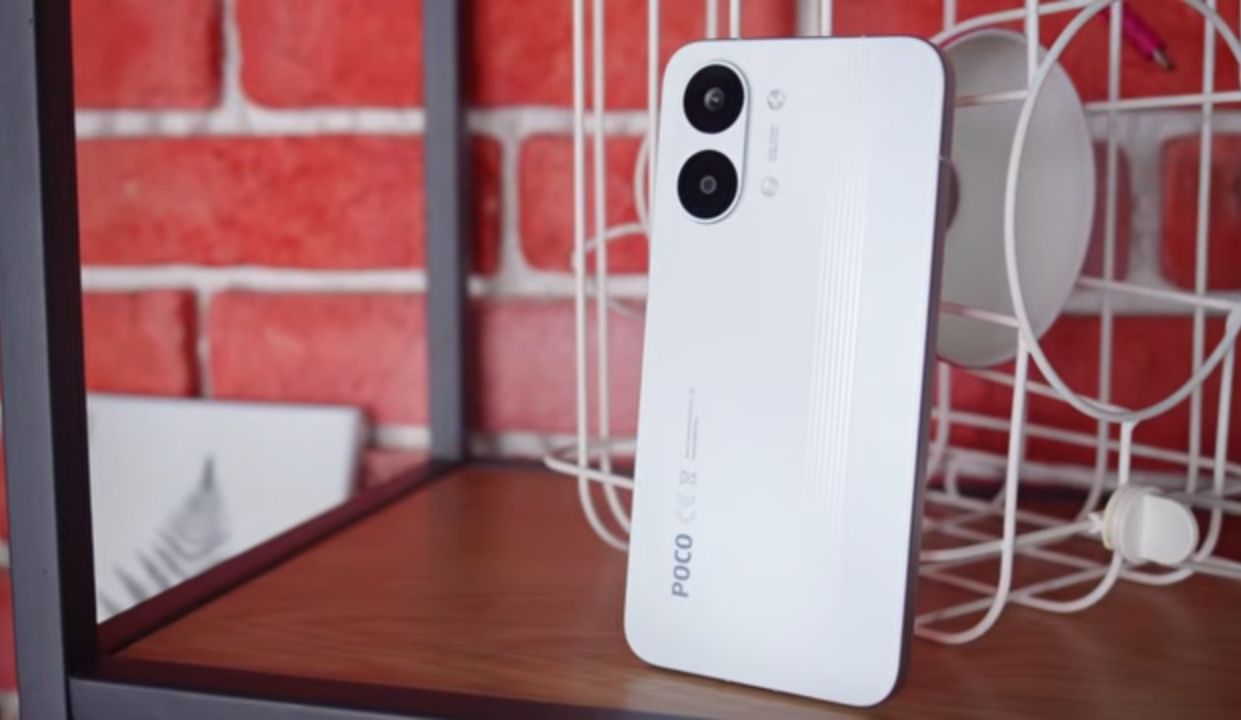
POCO F7 Pro — the gamer’s budget flagship
POCO has always built its reputation on stuffing near-flagship chips into cheaper bodies, and the F7 Pro keeps that tradition alive. Benchmark and reviewer testing consistently shows sustained frame rates in graphics-heavy titles holding up better than similarly priced Redmi units, which tracks with POCO’s usual gaming-first tuning. Software support is the trade-off — Samsung and Apple generally offer longer software support on many comparable flagship devices, so factor that into how long you plan to keep the phone.
Frequently Asked Questions
Is Redmi the same brand as Xiaomi? Yes. Redmi and POCO are both sub-brands owned and manufactured by Xiaomi. Redmi focuses on value-for-money mid-range phones, POCO leans into performance-per-naira, and the Xiaomi-branded line is reserved for flagship and near-flagship devices.
Which Xiaomi phone has the best battery life in 2026? The POCO X8 Pro Max, thanks to its 8,500 mAh battery. Among the Redmi line, the Redmi Note 15 Pro+ is the strongest option because of its silicon-carbon battery chemistry.
Are Xiaomi phones good for gaming? The POCO F7 Pro and POCO X7 Pro are the ones built with gaming in mind, using flagship-adjacent chipsets at a fraction of true flagship pricing. The Redmi Note line is fine for casual and mid-tier gaming but isn’t tuned the same way.
Do Xiaomi phones get long-term software support? This is a weaker point across the lineup. Samsung and Apple generally offer longer software support on many comparable flagship devices, so it’s worth checking the current update policy before buying if longevity matters to you.
Where should I buy a Xiaomi phone in Nigeria? Authorized retailers and official Xiaomi/Redmi stores are the safer route for warranty coverage. Jiji.ng and similar marketplaces often have better prices but carry more risk around grey-market units and inconsistent warranty support — always confirm IMEI and warranty status before paying.
Quick picks by need
If you just want the short answer, here’s how it breaks down:
| Need | Recommendation |
|---|---|
| Best overall | Redmi Note 15 Pro+ |
| Best camera | Xiaomi 17 Ultra |
| Best gaming | POCO F7 Pro |
| Best battery | POCO X8 Pro Max |
| Best value | Redmi Note 15 Pro |
Final take
If money genuinely isn’t the constraint, the Xiaomi 17 Ultra is the most complete phone in the lineup. For everyone else, the Redmi Note 15 Pro+ is the one I keep coming back to as the smartest purchase in Xiaomi’s 2026 catalog — it just does the most things well for the money. Gamers and battery-life obsessives have their own clear picks in the POCO line, and that’s really the whole point of Xiaomi splitting itself into three brands: there’s a right answer here for almost every kind of buyer, you just have to know which question you’re actually asking.




Comments 0
Leave a comment