Table of Contents
Open Table of Contents
- Overview
- How we chose these phones
- Quick pick: the best Redmi phone overall
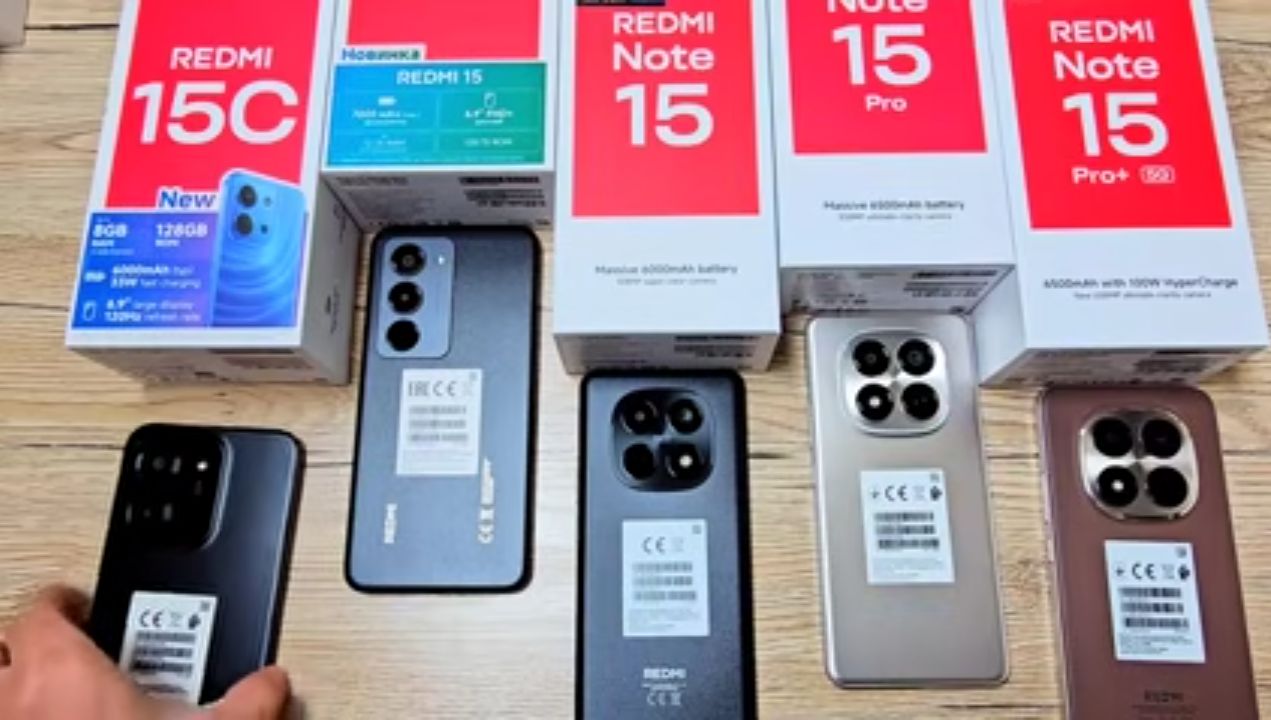
- Redmi lineup comparison
- Redmi Note 15 Pro+: the one worth stretching for
- Redmi Note 15 Pro: the near-flagship without the near-flagship price
- Redmi Note 15 5G: the sweet spot for most people
- Redmi 15C and Redmi A5: budget without feeling budget
- Which Redmi should you buy, by budget
- Final verdict
- Frequently asked questions
Overview
Redmi has steadily grown its presence among budget-conscious Nigerian buyers, alongside brands like Tecno and Infinix. That’s not an accident. Xiaomi’s budget arm has spent the last two years stuffing genuinely flagship-adjacent features — 120Hz AMOLED panels, 200MP cameras, IP68 ratings — into phones that cost a fraction of what Samsung or Apple charge for the same specs on paper.
But “Redmi” isn’t one phone. It’s a sprawling family that stretches from the ₦99,000 Redmi A5 to the ₦580,000+ Redmi Note 15 Pro+, and picking the wrong one means either overpaying for features you won’t use or underbuying and regretting it in six months. This guide breaks down which Redmi actually deserves your money in 2026, depending on what you do with a phone daily.
If you’re weighing Redmi against other brands in Xiaomi’s stable, our best Xiaomi phones in 2026 guide covers the wider lineup, and our best phones with 5G in Nigeria roundup is worth a look if network speed is your main priority.
Last updated: July 30, 2026. Redmi pricing and regional specs shift often — we recheck this guide periodically, but always confirm exact configuration with your vendor before paying.
How we chose these phones
We evaluated the current Redmi lineup based on real-world performance, display quality, battery life and charging speed, camera consistency, software and update support, Nigeria retail pricing, and overall value for money. Specs were cross-checked against GSMArena, PhoneArena, and Xiaomi’s own regional product pages, since Redmi devices frequently ship with different chipsets, battery capacities, and IP ratings depending on the market — a Note 15 Pro sold in India can differ meaningfully from the “Pro 5G” variant sold elsewhere. Where regional variants diverge, we’ve flagged it rather than picking one number and hoping it’s right.
Quick pick: the best Redmi phone overall
For most Nigerian buyers, the Redmi Note 15 Pro+ is the one to get. It pairs a curved AMOLED display with a genuinely capable 200MP main camera and a battery that survives a full day of Instagram, WhatsApp video calls, and the occasional round of mobile gaming without you hunting for a socket by 6 p.m.
Redmi lineup comparison
| Model | Best for | Display | Battery & charging | Software | Nigeria price (est.) |
|---|---|---|---|---|---|
| Redmi Note 15 Pro+ | Overall best, camera + durability | 6.83” AMOLED, up to 120Hz | Up to 6,500mAh silicon-carbon, up to 100W wired (varies by region) | HyperOS 2 (Android version varies by model and release) | ₦580,000 – ₦620,000 |
| Redmi Note 15 Pro | Balanced mid-range flagship feel | 6.77”–6.83” AMOLED, up to 120Hz | Up to ~6,500mAh, up to 45W wired (varies by region) | HyperOS 2 (Android version varies by model and release) | ₦440,000 – ₦525,000 |
| Redmi Note 15 5G | Best value for everyday use | 6.77” AMOLED, up to 120Hz | Up to 6,000mAh, up to 33W wired | HyperOS 2 (Android version varies by model and release) | ₦300,000 – ₦360,000 |
| Redmi 15C | Best budget pick with modern extras | 6.9” IPS LCD, up to 120Hz | Up to 6,000mAh, up to 33W wired | HyperOS 2 (Android version varies by model and release) | ₦140,000 – ₦180,000 |
| Redmi A5 / 14C | Cheapest usable entry point | 6.7”–6.9” IPS LCD | Up to 5,160mAh, 10–18W (varies by model) | HyperOS 2, lite version on some A-series (Android version varies) | ₦99,700 – ₦170,000 |
Prices above are approximate and pulled from listings at SLOT, Jumia, and Computer Village retailers as of mid-2026. Naira-to-dollar swings mean actual shelf prices can move by ₦10,000–₦20,000 within weeks, so treat this as a starting range rather than gospel — always confirm with your vendor before paying. Chipsets, battery capacity, IP ratings, and charging speed all vary by regional variant on Redmi phones; the figures above are typical for the global/Nigeria-market SKU, not a guarantee for every unit sold worldwide.
Redmi Note 15 Pro+: the one worth stretching for

The Note 15 Pro+ is Xiaomi’s statement piece in the mid-range this year, running HyperOS 2 (the exact underlying Android version varies by region and release). It ships with a Snapdragon 7-series chipset (exact tier varies by region), a 200MP main sensor with OIS, and up to a 6,500mAh silicon-carbon battery that Xiaomi says squeezes noticeably more capacity into the same physical space than last year’s model, paired with up to 100W wired charging depending on market (a proprietary charger, sold separately, is usually required to hit that top speed). It’s also rated up to IP68/IP69K on most variants, meaning it can survive high-pressure water jets, not just a light rain shower — genuinely useful if you’re commuting through Lagos during the rainy season.
Pros
- Excellent 200MP camera with OIS
- Bright, sharp AMOLED display with high peak brightness
- Fast wired charging gets you to full in well under an hour
- Strong water and dust resistance on most regional variants
Cons
- The most expensive Redmi you can buy — flirting with entry-level flagship pricing
- No wireless charging
- Fast charger not included in the box
Skip it if: you’re on a strict mid-range budget, don’t care about camera resolution beyond casual social posts, or you’d rather put the extra ₦150,000+ toward a used flagship instead.
Redmi Note 15 Pro: the near-flagship without the near-flagship price
Sitting just under the Pro+, the standard Note 15 Pro trims wired charging speed (typically to around 45W, though this varies by region) and drops the IP rating slightly on some variants, but keeps a similar AMOLED panel and a battery in a comparable ~6,500mAh range. It’s the phone for buyers who want the Pro+ experience without paying the last ₦100,000–₦150,000 premium for faster charging and a marginally tougher chassis.
Pros
- AMOLED display quality nearly matches the Pro+
- Large battery with genuinely all-day endurance
- Noticeably cheaper than the Pro+ for similar core specs
Cons
- Wired charging speed is a real step down from the Pro+
- IP rating varies by region/variant — worth confirming before you buy
Skip it if: you specifically want the fastest possible charging or the highest IP rating in the lineup — those are the two things the Pro+ does better.
Redmi Note 15 5G: the sweet spot for most people

If the Pro and Pro+ feel like overkill, the standard Note 15 5G is where the real value sits. You still get an up-to-120Hz AMOLED-class display and a 108MP main camera on most variants, but the chipset steps down to a Snapdragon 6-series processor — fine for social media, streaming, and light gaming, less fine if you’re chasing high frame rates in COD Mobile or PUBG Mobile. For that kind of use case, it’s worth comparing against options in our best phones with 5G in Nigeria guide before committing.
Pros
- Best price-to-spec ratio in the current Redmi lineup
- Up to 120Hz AMOLED display at a mid-range price
- Solid daylight camera performance
Cons
- Chipset struggles with sustained gaming loads
- Wired charging speed noticeably slower than the Pro-tier models
Skip it if: you’re a serious mobile gamer chasing consistent high frame rates — step up to the Note 15 Pro for that.
Redmi 15C and Redmi A5: budget without feeling budget
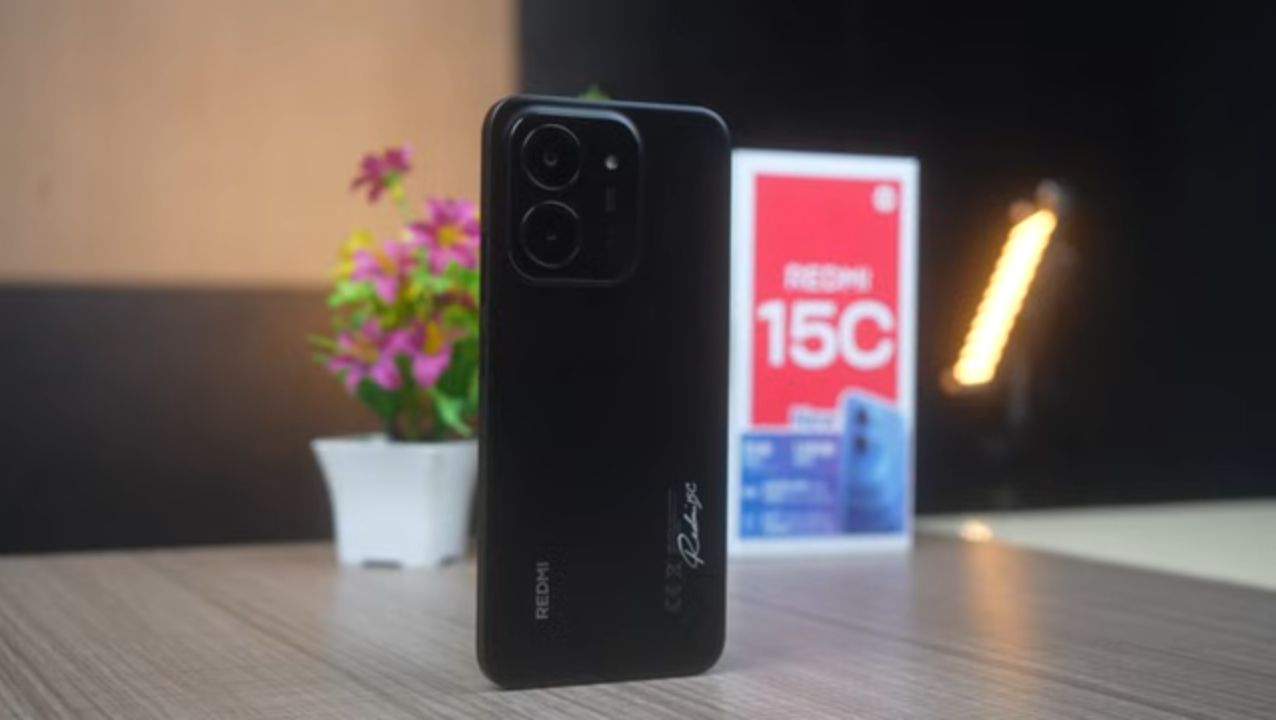
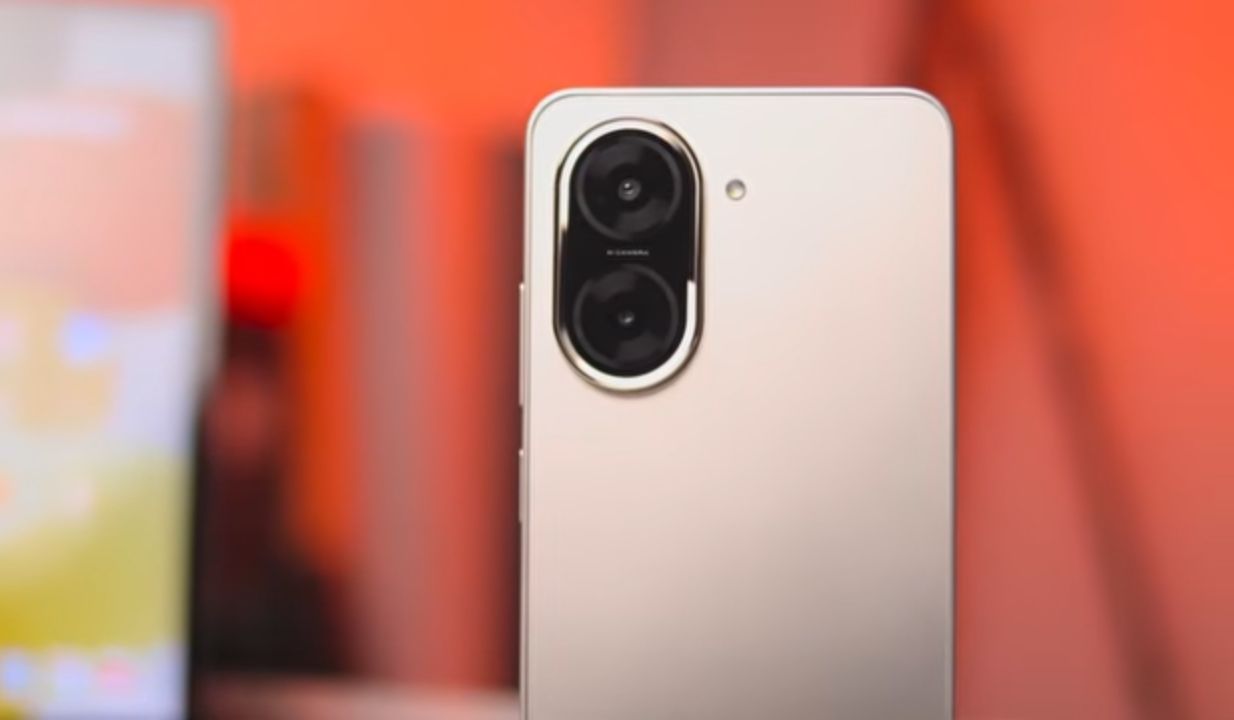
The Redmi 15C is the phone to recommend to a parent, a student, or anyone buying their first proper Android device, running a lighter version of HyperOS 2 (Android version varies by release). Up to a 6,000mAh battery and up to 33W charging cover the basics well, and an up-to-120Hz display is a genuinely rare inclusion this far down the price ladder. The Redmi A5 goes even cheaper, dropping to a smaller battery and a weaker chipset, but it’s still a legitimate daily driver for calls, WhatsApp, and light browsing rather than a phone you’ll regret buying.
Pros
- Up to 120Hz display is unusual at this price tier (Redmi 15C)
- Large battery relative to price
- NFC support on some configurations, useful for tap-to-pay
Cons
- Chipsets are entry-level — expect slowdowns with heavier apps or multitasking
- Software updates are shorter-lived than on the Note-series phones
- IP rating is limited to splash resistance on most variants, not full water resistance
Skip it if: you multitask heavily, play demanding games, or plan to keep the phone for 4+ years — the Note-series phones age better on both performance and updates.
Which Redmi should you buy, by budget
- Under ₦200,000: Get the Redmi 15C. It’s one of the strongest options this far down the price ladder, with a 120Hz display and a battery that lasts.
- ₦300,000 – ₦400,000: The Redmi Note 15 5G offers the best value in this range — AMOLED display, capable camera, and 5G, without paying for charging speed you may never notice day to day.
- ₦440,000 – ₦525,000: The Redmi Note 15 Pro is the pick if you want the AMOLED-and-battery experience of the Pro+ without its charging premium.
- Above ₦500,000: The Redmi Note 15 Pro+ is the strongest overall choice, and worth the jump if fast charging and top-tier durability matter to you.
Final verdict
The Redmi Note 15 Pro+ is the best Redmi phone you can buy in 2026 if you want flagship-level features — a 200MP camera, fast wired charging, strong water and dust resistance — without paying flagship prices. Most buyers, though, will get better real-world value from the Redmi Note 15 5G, which covers everyday use comfortably at a much lower price. Budget shoppers should stick with the Redmi 15C, which remains one of the strongest options under ₦200,000 in Xiaomi’s current lineup. Whichever tier you land in, confirm the exact regional variant and specs with your vendor before paying — Redmi’s naming conventions can hide meaningfully different hardware under the same model name.
Frequently asked questions
Is Redmi still owned by Xiaomi in 2026? Yes. Redmi remains a sub-brand under Xiaomi, focused on mid-range and budget devices, while the main Xiaomi and Xiaomi Ultra lines target the premium segment.
Which Redmi phone has the best camera for the price? The Redmi Note 15 Pro+ has the strongest camera system in the lineup, thanks to its 200MP main sensor with OIS. For a cheaper alternative that still takes solid daytime photos, the Redmi Note 15 5G’s 108MP sensor is respectable.
Do Redmi phones support 5G in Nigeria? Select models do, including the Note 15 5G and Note 15 Pro variants, but 5G coverage in Nigeria is still limited mostly to parts of Lagos, Abuja, and a handful of other cities, so don’t buy purely for the 5G badge if you live outside those areas.
How long do Redmi phones get software updates? This varies more than most buyers expect, even within the same model line. Some recent Redmi Note 4G variants have been promised up to four major Android updates and six years of security patches, while their 5G siblings and lower-tier A-series phones typically get far less — often two Android updates and three to four years of security patches. Because the policy differs by specific model and variant, it’s worth checking Xiaomi’s official support page for the exact SKU before you buy if long-term updates matter to you.
Is it better to buy a Redmi or save up for an iPhone? It depends entirely on your budget and what you use a phone for. If camera consistency, resale value, and long-term software support matter most, our best iPhone to buy in 2026 guide is worth reading. If you want the most features per naira spent, Redmi remains hard to beat.
Does the newest Android version matter for a Redmi phone? It can affect performance and security, but not dramatically for everyday use. If you’re curious what’s changed under the hood, our breakdown of Android 17 features explains what you’re actually getting with each update.



Comments 0
Leave a comment