Table of Contents
Open Table of Contents
- Overview
- POCO F8 Ultra — the one that stopped calling itself a “flagship killer”
- POCO F8 Pro — most of the flagship, a third off the price
- POCO X8 Pro Max — the battery champion
- POCO X8 Pro — the mid-tier workhorse
- POCO M8 Pro — the budget pick that doesn’t feel cheap
- Quick comparison table
- Which one should you actually buy?
- FAQ
Overview
POCO built its name on one promise: flagship specs, mid-range price. That promise gets tested every year, and 2026 is no different. The brand now spans four distinct lines — F, X, M, and C — and the gap between the cheapest and priciest model is wide enough to fit three separate budgets inside it.
If you’re trying to figure out which POCO actually fits your wallet and your use case, here’s the breakdown, model by model, with Nigerian pricing factored in.
POCO F8 Ultra — the one that stopped calling itself a “flagship killer”
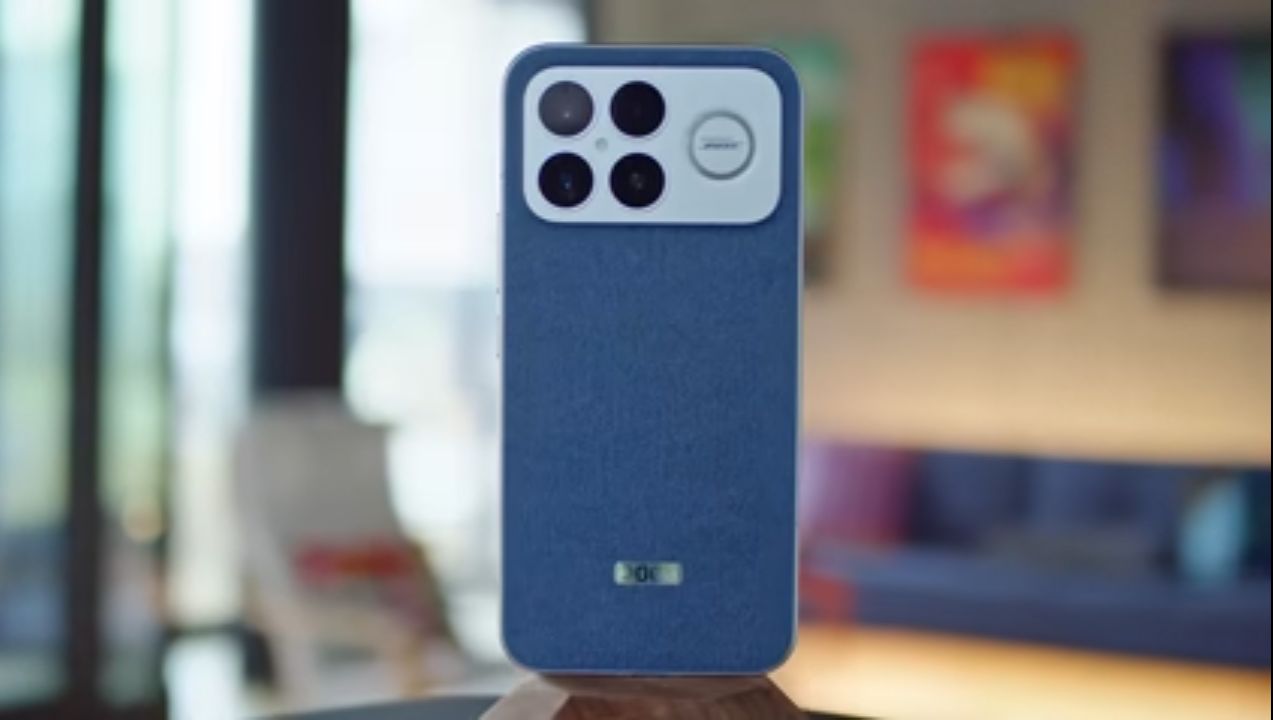
The F8 Ultra is the closest POCO has come to a genuine flagship. It runs the Snapdragon 8 Elite Gen 5 on a 3nm process, paired with a 6.9-inch OLED panel that hits 3500 nits and supports Dolby Vision. The camera setup is a proper triple system: a 50MP main sensor with OIS, a 50MP periscope telephoto with 5x optical zoom, and a 50MP ultrawide. On paper and in early reviews, the camera system looks far more competitive than previous POCO generations.
Battery life holds up too. The 6500mAh silicon-carbon cell charges at 100W wired and 50W wireless, and the phone carries an IP68 rating plus a jeans-textured back option that’s become something of a signature look for this generation.
The catch is price. In Nigeria, the F8 Ultra sits anywhere from ₦1.1 million to ₦1.3 million depending on the retailer and RAM/storage configuration, which puts it well outside “budget flagship” territory and closer to what you’d pay for a Galaxy S-series or iPhone.
POCO F8 Pro — most of the flagship, a third off the price
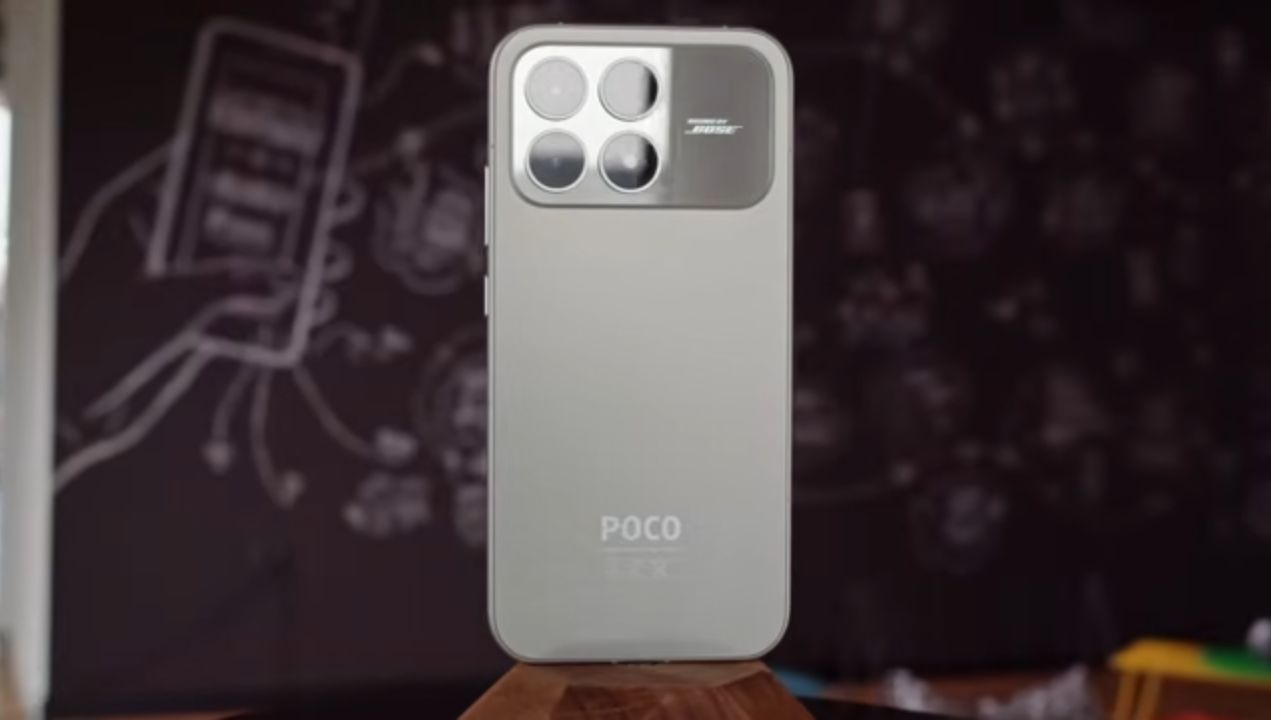
If the Ultra’s price tag is the problem, the F8 Pro is the fix. It shares the same Snapdragon 8 Elite chipset but trims the display to 6.59 inches, drops the periscope zoom, and settles for a smaller 6210mAh battery. Everything that matters for day-to-day speed — app launches, gaming, multitasking — stays intact.
Nigerian pricing runs from roughly ₦826,000 to ₦976,000 depending on the 12/256GB or 12/512GB configuration. That’s still a serious purchase, but it undercuts the Ultra by several hundred thousand naira for a phone that feels nearly as fast in daily use.
POCO X8 Pro Max — the battery champion
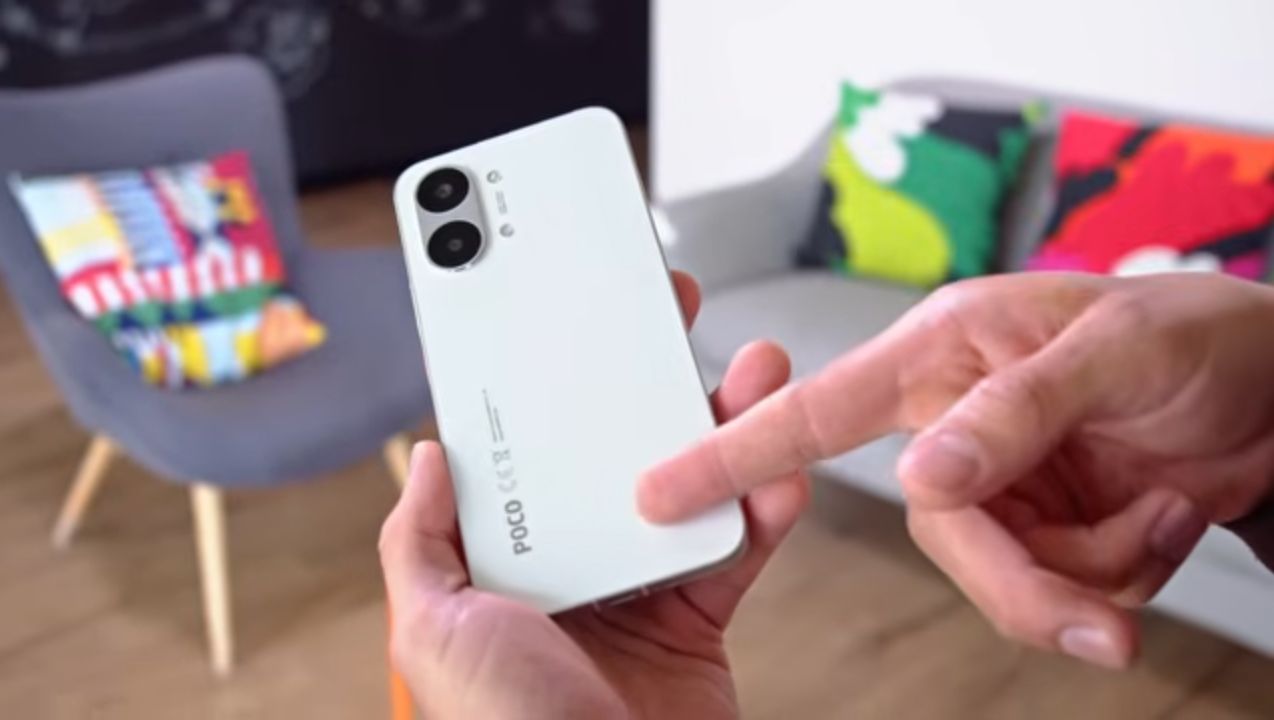
This is POCO’s first “Pro Max” phone, and it leans entirely into endurance. An 8500mAh (some regions ship a 9000mAh variant) silicon-carbon battery paired with a MediaTek Dimensity 9500S chipset means moderate users can realistically stretch it to around two days between charges, rather than a marketing claim that falls apart by evening. It still charges at 100W, so the huge cell doesn’t come with a slow-charging trade-off.
The display is a 6.83-inch AMOLED panel at 120Hz, and the 50MP main camera includes OIS — a feature that’s often missing at this price tier. Nigerian listings put it between ₦611,000 and ₦840,000, which makes it one of the stronger value picks in the entire lineup if battery life is your priority.
POCO X8 Pro — the mid-tier workhorse
One step down, the X8 Pro drops to a Dimensity 8500-Ultra chipset and a 6500mAh battery, still with a sharp 1.5K AMOLED display at 120Hz. It’s aimed at buyers who want strong day-to-day performance — social media, streaming, moderate gaming — without paying for camera hardware or battery capacity they won’t use.
Nigerian pricing sits between ₦419,000 and ₦510,000, positioning it as the sensible middle ground between the X8 Pro Max and the budget-focused M-series.
POCO M8 Pro — the budget pick that doesn’t feel cheap
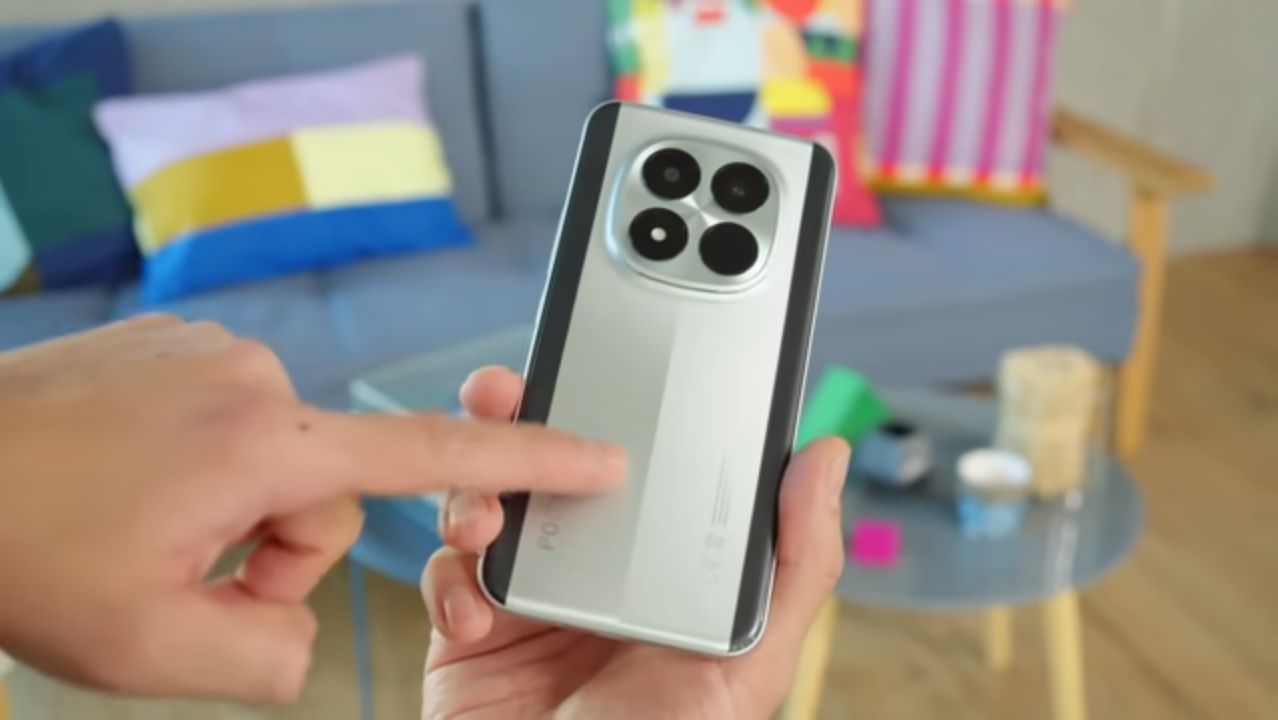
The M8 Pro is essentially a rebadged Redmi Note 15 Pro+ with a different main camera sensor, and that’s not a knock — the Redmi Note series has consistently been one of the better value lines on the market. You get a Snapdragon 7s Gen 4 chipset, a 6.83-inch AMOLED display with 120Hz refresh and 3200-nit peak brightness, a 6500mAh battery with 100W charging, and IP68/IP69K water resistance that’s unusually robust for a budget phone.
Nigerian pricing generally falls between ₦300,000 and ₦375,000, though it fluctuates with import costs and retailer margins — worth checking current listings before buying rather than treating any single figure as fixed.
Quick comparison table
| Model | Chipset | Display | Battery | Nigeria Price (approx.) |
|---|---|---|---|---|
| POCO F8 Ultra | Snapdragon 8 Elite Gen 5 | 6.9” OLED, 120Hz, 3500 nits | 6500mAh, 100W wired / 50W wireless | ₦1,100,000 – ₦1,300,000 |
| POCO F8 Pro | Snapdragon 8 Elite | 6.59” AMOLED, 120Hz | 6210mAh, 90W+ wired | ₦826,000 – ₦976,000 |
| POCO X8 Pro Max | Dimensity 9500S | 6.83” AMOLED, 120Hz | 8500mAh, 100W wired | ₦611,000 – ₦840,000 |
| POCO X8 Pro | Dimensity 8500-Ultra | 6.67” AMOLED, 1.5K, 120Hz | 6500mAh, 90W wired | ₦419,000 – ₦510,000 |
| POCO M8 Pro | Snapdragon 7s Gen 4 | 6.83” AMOLED, 120Hz | 6500mAh, 100W wired | ₦300,000 – ₦375,000 |
Prices vary by retailer, RAM/storage configuration, and whether the unit is an official import or grey-market stock. Always confirm current pricing and network band compatibility (especially 5G) before buying in Nigeria.
Which one should you actually buy?
For gaming and camera quality without a flagship budget, the F8 Pro is the strongest all-rounder. If two-day battery life matters more than having the absolute latest chipset, the X8 Pro Max is hard to beat for the price. And if you just need a reliable, fast-charging phone under ₦400,000, the M8 Pro delivers more display and battery than its price class usually allows.
FAQ
Is POCO the same company as Xiaomi? POCO was launched as a Xiaomi sub-brand in 2018 and now operates as its own brand within Xiaomi’s ecosystem, sharing R&D and supply chains with Xiaomi and Redmi.
Do POCO phones work well on Nigerian networks? Most current POCO models support the 5G bands used by MTN, Airtel, and Glo, but always confirm band compatibility (especially B28 and B3) with the specific retailer before purchase, since import variants sometimes differ.
Is it safe to buy a POCO phone from a grey-market importer in Nigeria? It can be, but warranty coverage and after-sales support are usually limited compared to phones sold through official Xiaomi/POCO channels. Check the IMEI, confirm the warranty terms in writing, and buy from a seller with a verifiable return policy.
Which POCO phone has the best camera? The F8 Ultra’s triple 50MP setup, with its periscope telephoto, is the clear leader in the current lineup, though the X8 Pro Max’s OIS-equipped main sensor punches above its price point.
Are POCO phones good for gaming? Yes — the F-series in particular is built around gaming performance, and even the X8 Pro Max’s Dimensity 9500S handles demanding titles at high settings without significant throttling in short sessions.

Comments 0
Leave a comment