Table of Contents
Open Table of Contents
- Best Phones for Night Photography in Nigeria (2026 Buyer’s Guide)
- What Actually Makes a Phone Good at Night
- Quick Comparison
- Tecno Camon 40 Pro — Best Value for Low Light
- Samsung Galaxy A56 — Most Consistent Nightography
- Infinix Zero 40 5G — Highest Resolution, Uneven Video and Night Processing
- Google Pixel 9a — Best Software, Smallest Sensor
- Which One Should You Buy?
- FAQ
- Methodology and Sourcing
Best Phones for Night Photography in Nigeria (2026 Buyer’s Guide)
Lagos traffic at night, a candlelit gathering in Enugu, street food stalls under sodium lamps in Kano — these are the moments most phone cameras ruin. Small sensors starve for light, shutter speeds drop, and what should be a clean photo turns into a smear of grain and motion blur. Night mode software has closed a lot of that gap over the last few years, but not every phone in the Nigerian market handles it the same way. Some genuinely earn the marketing copy. Others lean on a “Night Mode” button that barely moves the needle.
This guide looks at what actually determines low-light image quality, then breaks down four phones sold in Nigeria that handle darkness better than most of their price class.

What Actually Makes a Phone Good at Night
Megapixel count gets marketed the hardest, but it’s the least important number here. Three things matter more:
- Sensor size and pixel size. A physically larger sensor collects more light before any software gets involved. Look for sensor sizes like 1/1.56″ to 1/1.67″ rather than the smaller 1/2″ units common on budget ultrawide lenses.
- Aperture (f-number). A lower f-number — f/1.7 versus f/2.2, for instance — means a wider opening that lets in more light per shot.
- Optical image stabilization (OIS). Night shots need longer exposures, and OIS physically counteracts hand shake so the sensor can gather light for longer without blur creeping in.
Software stacks multiple frames together to brighten shadows and suppress noise, but it can’t invent detail a small sensor never captured. That’s why a phone’s hardware spec sheet is still the first thing worth checking, before you even open the camera app.
Quick Comparison
| Phone | Main Sensor | Aperture | OIS | Night Mode | Approx. Price in Nigeria |
|---|---|---|---|---|---|
| Tecno Camon 40 Pro | 50MP Sony IMX896, 1/1.56″ | f/1.8 | Yes | Super Night Mode (multi-frame) | ₦390,000 – ₦470,000 |
| Samsung Galaxy A56 | 50MP main camera | f/1.8 | Yes | Nightography | ₦520,000 – ₦750,000 |
| Infinix Zero 40 5G | 108MP Samsung ISOCELL HM6, 1/1.67″ | f/1.65 | Yes | Super Night Mode (AI multi-frame) | ₦440,000 – ₦615,000 |
| Google Pixel 9a | 48MP sensor, 1/2.0″ | f/1.7 | Yes | Night Sight, incl. astrophotography | ₦750,000 – ₦950,000 |
Naira prices swing with exchange rates and vendor stock, so treat these as a band rather than a fixed figure. Prices last checked July 2026 — reconfirm with the retailer before ordering, and if this post stays live for a while, we’ll revisit these figures roughly every month.
Verdicts at a Glance
| Category | Winner |
|---|---|
| Best overall | Google Pixel 9a |
| Best value | Tecno Camon 40 Pro |
| Best Samsung option | Samsung Galaxy A56 |
| Best under ₦500,000 | Tecno Camon 40 Pro |
| Best computational night software | Google Pixel 9a |
| Highest resolution main sensor | Infinix Zero 40 5G |
Tecno Camon 40 Pro — Best Value for Low Light
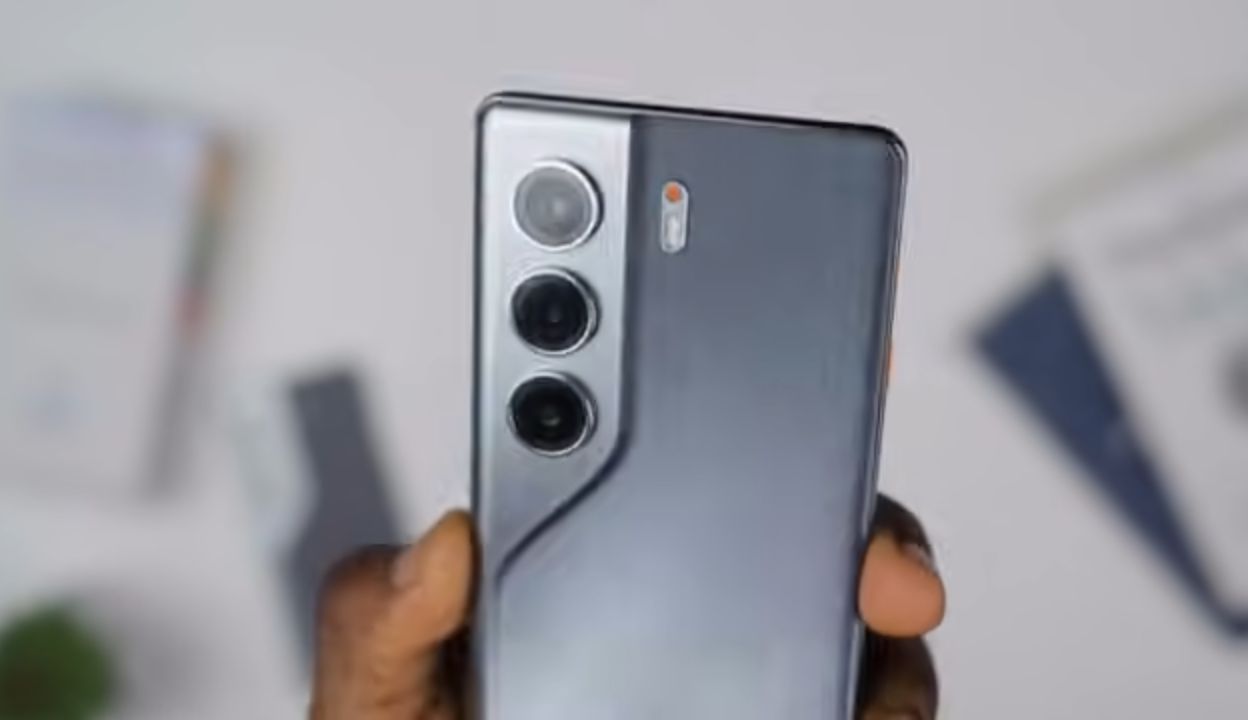
The Camon 40 Pro’s main camera is a 50MP Sony IMX896 sensor at f/1.8 with a 1/1.56″ size and OIS, the same tier of hardware you’d expect on phones costing considerably more. GSMArena’s hands-on testing found the main camera holds onto detail reasonably well after dark, with a somewhat conservative color response and visible softness once you push into 2x zoom shots at night. The 8MP ultrawide is the weak link — it’s noticeably behind the 50MP ultrawide on last year’s Camon 30 Pro and struggles once the light drops.
Tecno’s own marketing for the Camon 40 Pro also highlights an RGBW sensor design that adds a dedicated white subpixel to pull in extra light, similar in concept to what other brands have used on past flagships. Treat this as a manufacturer claim rather than an independently verified benchmark — it’s a genuine feature, but the marketing framing overstates how transformative it is in practice.
If your budget tops out around ₦450,000 and you mostly shoot with the main lens, this is the strongest low-light value in the segment right now. Pair it with a phone that also handles a night out well on battery — our breakdown of phones with 6000mAh batteries is worth a look if endurance matters as much as the camera to you.
Skip it if: you shoot mostly with the ultrawide lens, or you want an official Samsung/Google-style Nigerian warranty network rather than Tecno’s regional service centers.
Samsung Galaxy A56 — Most Consistent Nightography
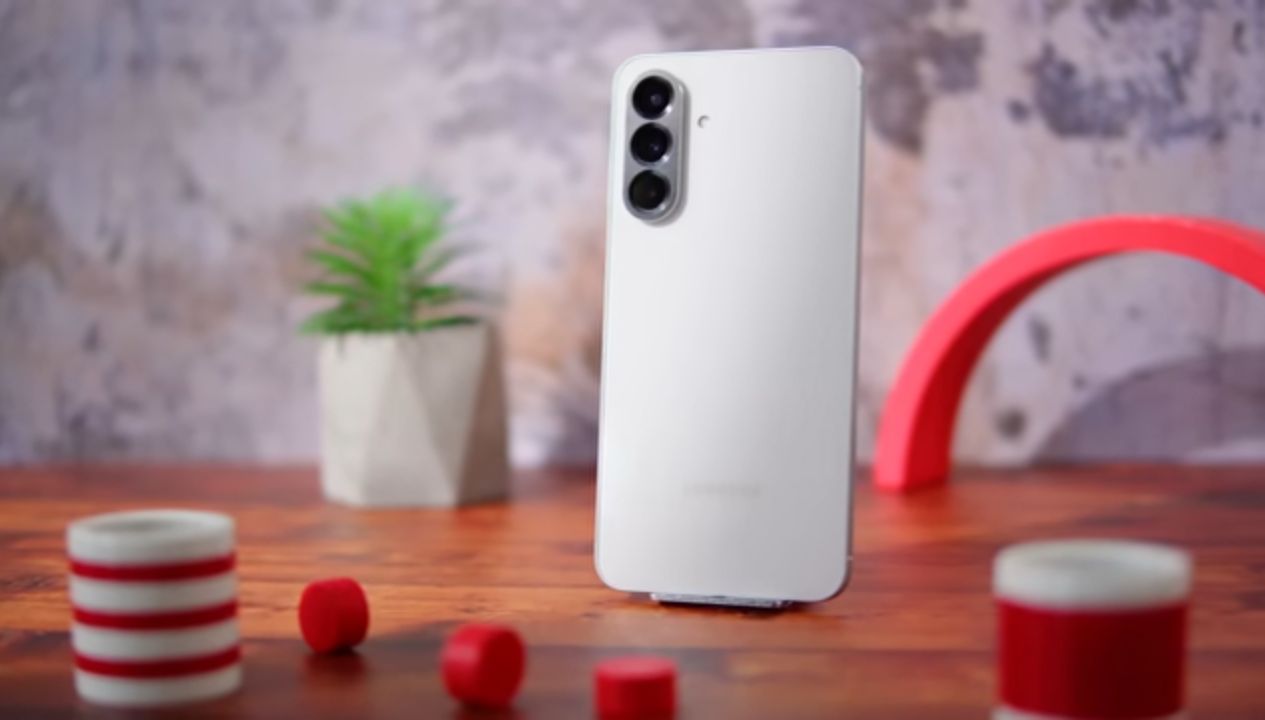
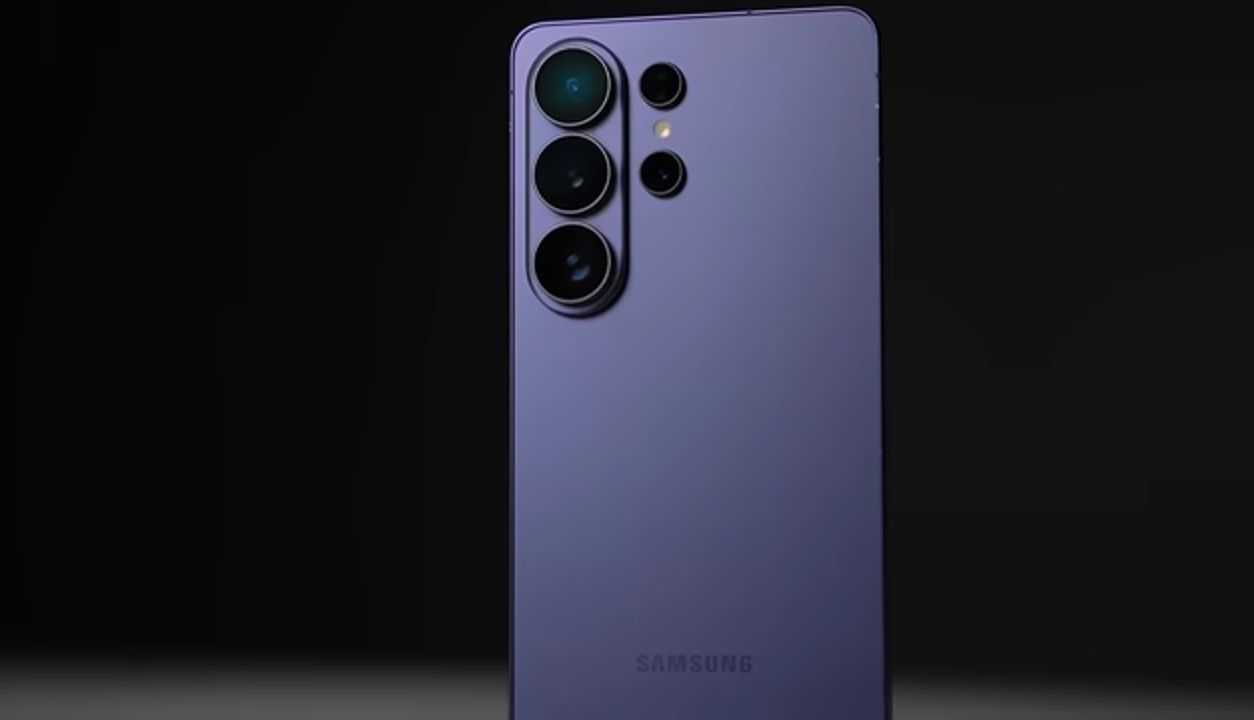
The A56 carries a 50MP main camera at f/1.8 with OIS and PDAF (Samsung doesn’t officially publish the sensor model, so treat any specific part number you see elsewhere as unconfirmed), and reviewers consistently note that Samsung’s processing keeps colors accurate and contrast well-balanced even indoors under artificial light. The tradeoff shows up on the secondary lenses: the 12MP ultrawide and 5MP macro both lose significant detail once the sun goes down, a pattern common across mid-range triple-camera setups.
Where the A56 pulls ahead of the Tecno and Infinix options is consistency — Samsung’s image processing pipeline is more mature, and the phone rarely produces a genuinely bad shot even in mixed lighting. If you want the fuller Samsung camera lineup context, our guide to the top Samsung phones for camera quality covers where the A56 sits against the rest of the range.
Skip it if: you’re on a tight budget — this is the most expensive Samsung-branded option here relative to what Tecno offers for less, and the ultrawide/macro lenses won’t reward the premium after dark.
Infinix Zero 40 5G — Highest Resolution, Uneven Video and Night Processing
The Zero 40 5G leads with a 108MP main sensor — officially specified by Infinix as a Samsung ISOCELL HM6 at 1/1.67″ with f/1.65 and OIS — paired with a 50MP ultrawide, a rare setup at this price where the ultrawide isn’t an afterthought. GSMArena’s review found the main camera’s daylight and low-light stills competitive with good detail and reasonably wide dynamic range. Independent hands-on testing from GadgetMatch was less flattering about the night-specific processing, noting that Super Night Mode sometimes introduced more grain and glare than it removed, with some low-light shots actually looking cleaner using the phone’s default processing rather than the dedicated night mode. Both outlets agree the lack of electronic stabilization hurts 4K 60fps video after dark, which shows visible jitter since the phone relies on optical stabilization alone.
If your night photography is mostly stills — parties, street scenes, portraits under string lights — the video weakness matters less. Just don’t assume tapping “Night Mode” is always the right call; it’s worth comparing the shot with and without it before you save.
Skip it if: you plan to shoot a lot of handheld night video, or you want night mode processing you can trust without double-checking the result.
Google Pixel 9a — Best Software, Smallest Sensor
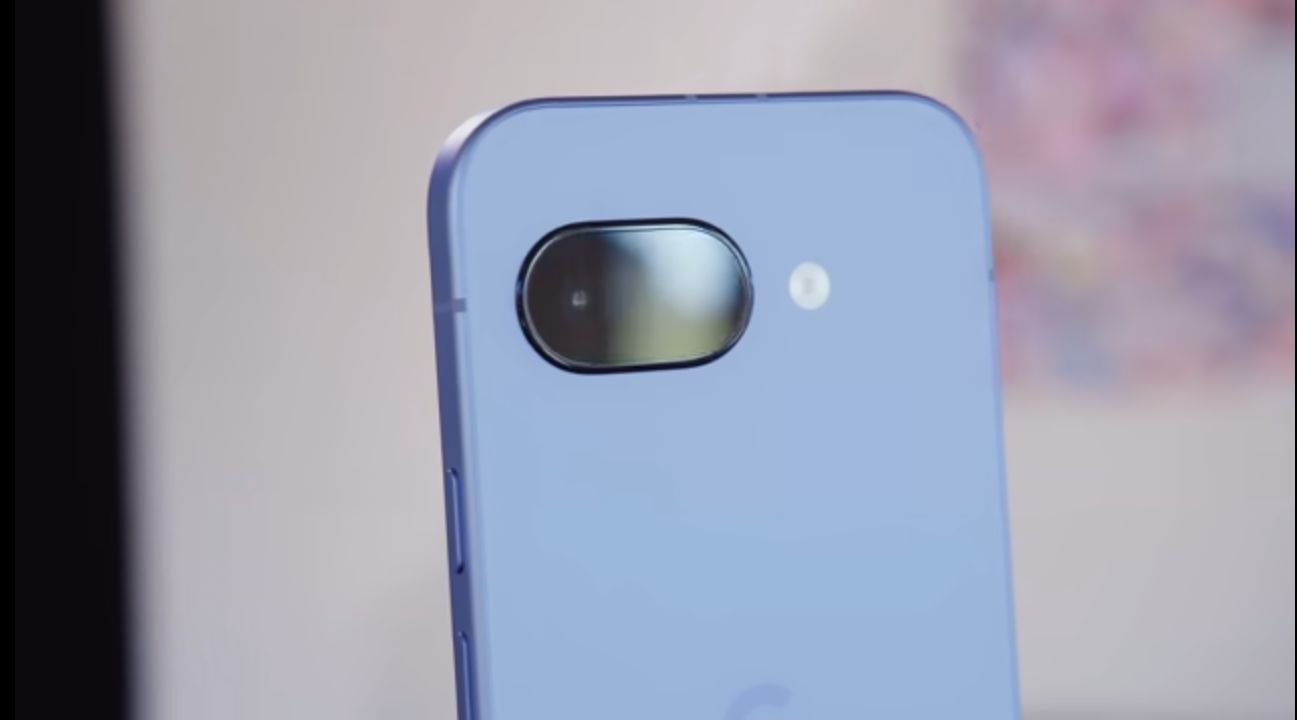
The Pixel 9a is the outlier here: its 48MP main sensor at f/1.7 is physically smaller (1/2.0″) than the Tecno and Infinix options, yet GSMArena’s testing rated its low-light stills among the cleanest in this comparison, with strong detail retention and minimal noise. That’s almost entirely down to Google’s computational photography — Night Sight stacks multiple frames intelligently, and the phone even supports basic astrophotography when mounted on a tripod. The ultrawide lens is the clear weak point, producing soft, blown-out results once light drops, a gap Google hasn’t fully closed on the “a” series.
It’s also the most expensive phone on this list for the Nigerian market, largely due to import costs since Pixel isn’t officially distributed here. For a deeper look at where the 9a fits against the rest of Google’s lineup, see our guide to the best Google Pixel camera phones.
Skip it if: you want an official Nigerian warranty and authorized repair network — Pixel phones here come through parallel importers, so support depends entirely on the seller.
Which One Should You Buy?
- Tightest budget, still want real OIS and a fast aperture: Tecno Camon 40 Pro.
- Want the most dependable, least fussy night shots: Samsung Galaxy A56.
- Shoot mostly stills and want maximum resolution to crop into: Infinix Zero 40 5G.
- Willing to pay a premium for the best computational night photography available: Google Pixel 9a.
Whichever you pick, a night out shooting drains a battery fast between the screen brightness, flash, and processing. If charging speed between events matters to you, our roundup of phones with the fastest charging in 2026 is a useful companion read, and gamers who also shoot content at night might want to check our piece on phones with bypass charging for gaming to avoid battery wear from constant top-ups.
FAQ
Does a higher megapixel count mean better night photos? No. Sensor size, aperture, and stabilization matter far more than raw megapixel count. A 50MP sensor with a large 1/1.56″ size and f/1.8 aperture will usually outperform a 108MP sensor on a smaller chip, and even a well-specified 108MP sensor still depends on good software tuning to avoid over-sharpening or excess grain in night mode.
Is OIS necessary for night photography? It’s close to essential. Night mode relies on longer exposures or multiple stacked frames, and OIS keeps those frames sharp by counteracting hand movement. Phones without OIS tend to produce visibly softer night shots.
Why do ultrawide cameras perform so much worse at night than main cameras? Ultrawide lenses on mid-range phones almost always use smaller, cheaper sensors with narrower apertures than the main camera, since brands prioritize their budget on the primary lens. This gap is common across every phone in this guide, not specific to one brand.
Does a phone’s “Night Mode” button always produce a better photo? Not always. Independent testing on the Infinix Zero 40 5G found its night mode sometimes added more grain and glare than it fixed. It’s worth taking one shot with night mode on and one with it off, then comparing before you delete either.
Are Google Pixel phones officially sold in Nigeria? No, Pixel phones reach the Nigerian market through parallel importers rather than an official Google retail channel, which is part of why pricing runs higher and less predictable than Samsung, Tecno, or Infinix, and why warranty support depends on the individual seller rather than Google.
Should I buy a UK-used or “London-used” phone for a better camera at a lower price? It can work, but inspect the camera lens for scratches and test night mode in person before buying, since resale listings rarely disclose camera wear and OIS motors can degrade with age.
Methodology and Sourcing
Camera specifications, sensor models, and low-light test observations referenced in this guide are drawn from GSMArena’s hands-on reviews and specification database, Infinix’s official spec sheet, Samsung’s and Google’s official product pages, GadgetMatch’s independent hands-on testing, and pricing data from Nigerian retail listings on Jumia and Jiji, cross-checked in July 2026. Where a sensor model could not be confirmed by the manufacturer or a reliable independent source (as with the Galaxy A56’s main sensor), we’ve described the camera by its confirmed specs only rather than naming an unverified part. No claims in this article are based on first-person testing by RevByte; all performance observations are attributed to the outlets that conducted them. Naira pricing reflects a snapshot at the time of writing and will shift with exchange rate movement and vendor stock.
References
- GSMArena, Tecno Camon 40 Pro review: https://www.gsmarena.com/tecno_camon_40_pro-review-2830p5.php
- GSMArena, Samsung Galaxy A56 review: https://www.gsmarena.com/samsung_galaxy_a56-review-2812p5.php
- GSMArena, Infinix Zero 40 5G hands-on review: https://www.gsmarena.com/infinix_zero_40_5g-review-2760p4.php
- GSMArena, Google Pixel 9a review: https://www.gsmarena.com/google_pixel_9a-review-2825p5.php
- Infinix official Zero 40 5G spec sheet: https://infinixmobiles.in/products/zero-40-5g-ai-phone
- GadgetMatch, Infinix Zero 40 5G review: https://www.gadgetmatch.com/infinix-zero-40-5g-review-unboxing-specs-price/
- Samsung official Galaxy A56 5G product page: https://www.samsung.com/uk/smartphones/galaxy-a/galaxy-a56-5g-awesome-lightgrey-256gb-sm-a566bzaceub/
- Google Store, Pixel 9a specifications: https://store.google.com/product/pixel_9a_specs?hl=en-US
- NaijaTechGuide, Samsung phones and prices in Nigeria: https://www.naijatechguide.com/samsung-phones-and-prices-in-nigeria.html
- NaijaTechGuide, Infinix phones and prices in Nigeria: https://www.naijatechguide.com/infinix-phones-prices-features-specs.html
- Amateur Photographer, Tecno Camon 40 Pro review: https://amateurphotographer.com/review/tecno-camon-40-pro-review/


Comments 0
Leave a comment