Table of Contents
Open Table of Contents
- Overview
- Who should actually buy a Nothing phone?
- How I chose these rankings
- The lineup at a glance
- CMF Phone 1 — if ₦100k is a hard ceiling
- CMF Phone 2 Pro — the sweet spot under ₦150k
- Nothing Phone (4a) — the one most people should actually buy
- Nothing Phone (4a) Pro — best all-rounder if you can stretch the budget
- Nothing Phone (3a) Pro — still worth considering on discount
- Nothing Phone (3) — the flagship, for people who want the full statement
- At a glance: how each phone scores
- Nothing vs Samsung vs Redmi
- Frequently Asked Questions
- Quick picks by need
- Final take
Overview
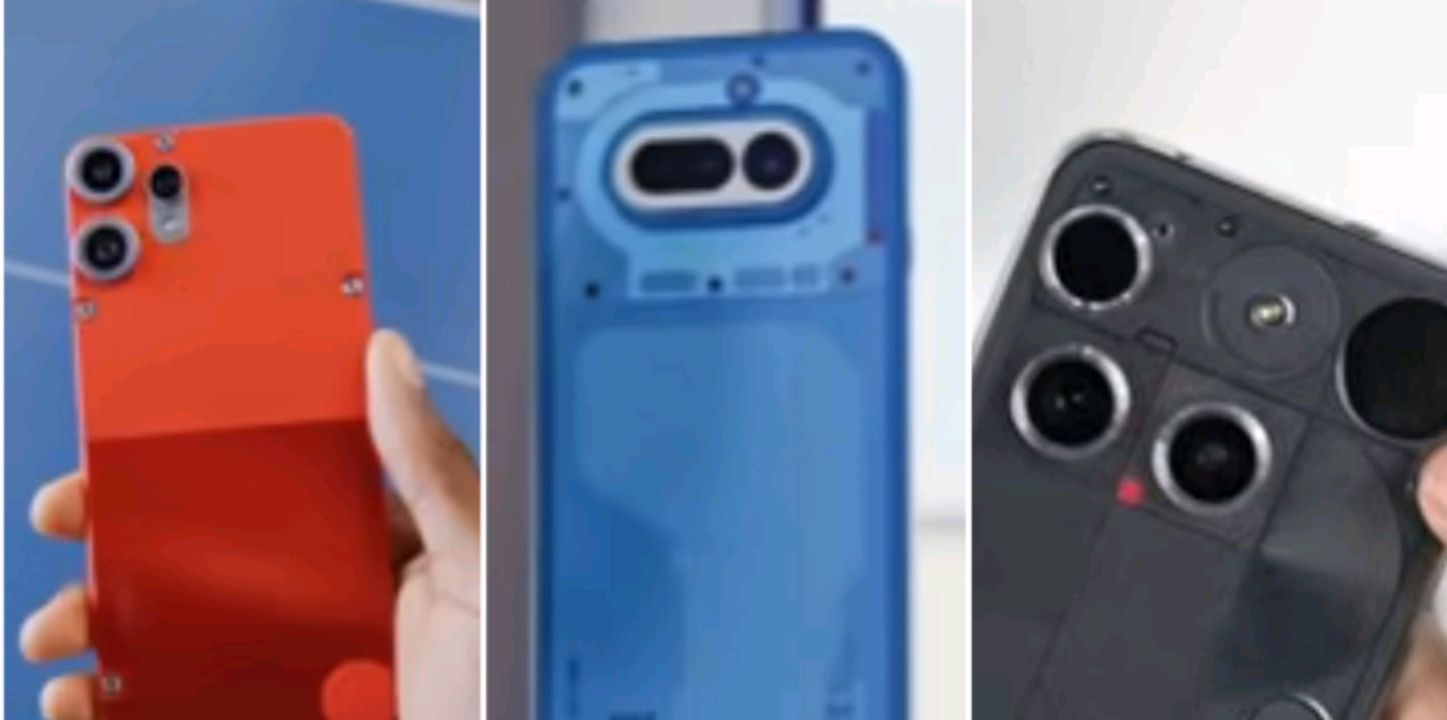
Nothing has an odd problem for a phone brand: people love the way its phones look before they’ve asked a single question about the chipset inside. That’s flattering for Carl Pei’s company, but it also means a lot of buyers walk into a purchase chasing the transparent back and the Glyph lights without checking whether the phone actually fits their budget or their daily use. I get messages about this constantly, usually from someone comparing a Nothing phone to whatever Redmi or POCO device I’ve covered on this site, unsure if the design premium is worth paying for.
So this is a straight ranking of every Nothing phone realistically buyable in Nigeria right now — CMF included, since it’s Nothing’s own budget sub-brand and genuinely part of the conversation — based on specs from official listings, hands-on coverage from outlets like GSMArena and PhoneArena, and current Nigerian retail pricing. If cameras specifically are your priority, my best camera phones 2026 roundup goes deeper on that one dimension; if you want the wider Android picture beyond just Nothing, start with best Android phones 2026 instead.
Who should actually buy a Nothing phone?
Before you get pulled in by the transparent back panels, it’s worth being honest about who this brand fits:
- You care how the software feels day-to-day, not just what’s on the spec sheet — Nothing OS is one of the cleanest Android skins out there.
- You’re comfortable with thinner after-sales support in Nigeria, since there’s no official Nothing service center network like Samsung or Xiaomi have.
- You want a phone that looks different from the sea of near-identical black slabs, and you’re willing to pay a small premium for that.
- You don’t need same-day repairs, since parts and authorized technicians are harder to find locally than for the bigger brands.
- You’re buying mid-range rather than flagship, where Nothing’s pricing is genuinely competitive — the flagship Phone (3) is a tougher sell here given the import situation.
If none of that sounds like you — if resale value, walk-in warranty support, or absolute lowest price-per-spec matter more than design — a Samsung A-series or Redmi Note phone will probably serve you better.
How I chose these rankings
Design is part of the pitch with Nothing, so I’m not pretending it isn’t. But here’s the actual criteria I weighed each phone against, roughly in order:
- Performance — chipset, RAM, and how the phone handles daily multitasking and gaming.
- Cameras — main sensor quality, zoom performance, and low-light consistency, not just megapixel counts.
- Software support — how many major Android upgrades and years of security patches Nothing has actually committed to.
- Value for money — what you’re getting relative to street price, not the recommended retail price.
- Nigerian availability — whether the phone shows up reliably on local marketplaces and import stores, or whether you’d be hunting for it.
- After-sales support — how easy it realistically is to get repairs or spare parts in Nigeria, where official Nothing support is thin on the ground.
Software support is worth calling out on its own, because Nothing’s policy isn’t uniform across the lineup the way Samsung’s is. Here’s what each phone is actually promised, straight from Nothing’s own announcements:
| Model | Major Android updates | Security updates |
|---|---|---|
| CMF Phone 1 | 2 | 3 years |
| CMF Phone 2 Pro | 3 | 6 years |
| Nothing Phone (4a) | 3 | 6 years |
| Nothing Phone (4a) Pro | 3 | 6 years |
| Nothing Phone (3a) Pro | 3 | 6 years |
| Nothing Phone (3) | 5 | 7 years |
The Phone (3) is the clear standout here, and it’s not an accident — Nothing’s own team has said the jump to the Snapdragon 8s Gen 4 chipset was partly a deliberate choice to unlock longer support. Everywhere else in the lineup, you’re getting three OS upgrades, which lags behind what Samsung now offers on phones at a similar price.
The lineup at a glance
| Model | Best for | Chipset | Battery | Street price (Nigeria) |
|---|---|---|---|---|
| CMF Phone 1 | Tightest budget | MediaTek Dimensity 7300 | 5,000 mAh | ₦85,000 – ₦110,000 |
| CMF Phone 2 Pro | Budget with better cameras | MediaTek Dimensity 7300 Ultra | 5,000 mAh | ₦120,000 – ₦150,000 |
| Nothing Phone (4a) | Balanced mid-ranger | Snapdragon 7s Gen 4 | 5,000+ mAh | ₦520,000 – ₦620,000 |
| Nothing Phone (4a) Pro | Best all-rounder | Snapdragon 7 Gen 4 | 5,080 mAh | ₦680,000 – ₦780,000 |
| Nothing Phone (3a) Pro | Best value telephoto | Snapdragon 7s Gen 3 | 5,000 mAh | ₦450,000 – ₦560,000 |
| Nothing Phone (3) | Flagship experience | Snapdragon 8s Gen 4 | 5,150 mAh | ₦1.1M – ₦1.3M (import) |
Specs for the (4a), (4a) Pro, and Phone (3) come from Nothing’s official pages and GSMArena’s spec database. Pricing is pulled from current Jiji.ng and Jumia listings plus a handful of Lagos import stores, and it moves with the naira-to-dollar rate — treat these as a starting range for negotiation, not a fixed tag, especially on the imported Phone (3) and (3a) Pro, which aren’t sold through an official Nothing Nigeria channel.
CMF Phone 1 — if ₦100k is a hard ceiling
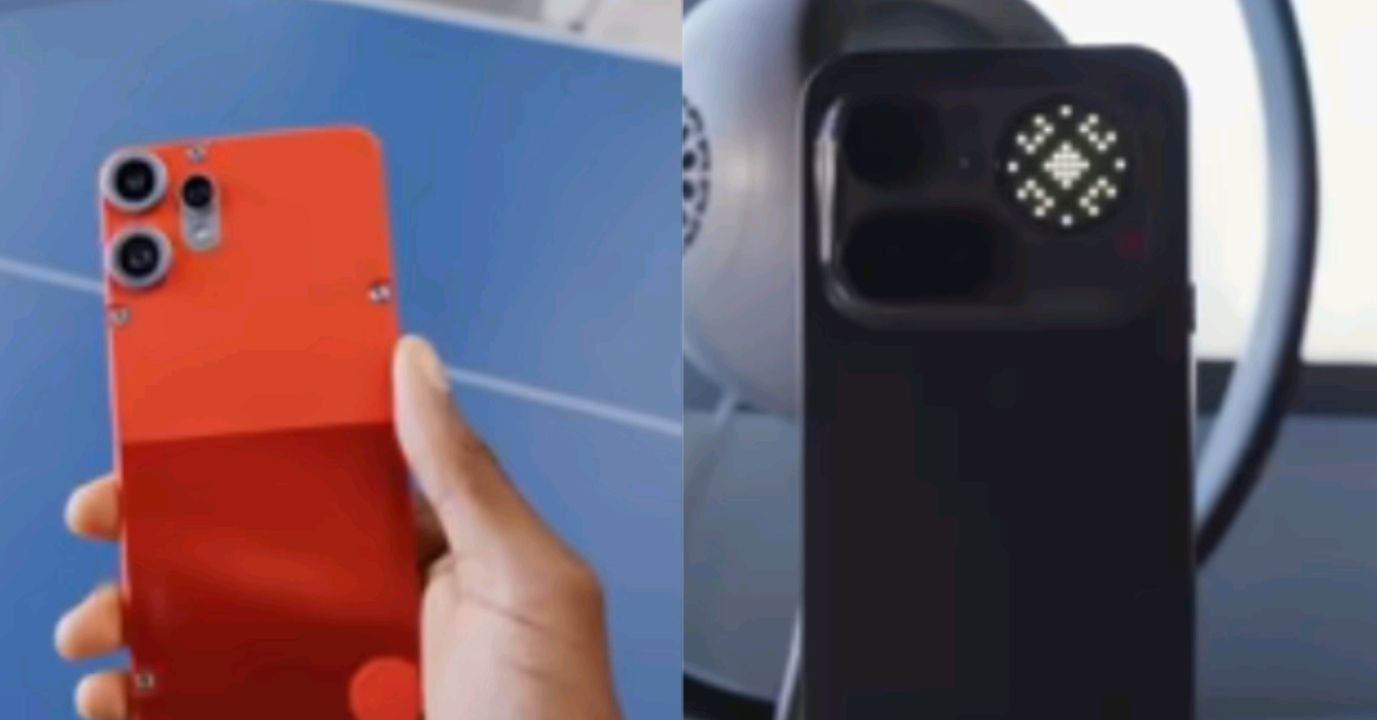
CMF is Nothing’s answer to “I like the vibe but can’t afford the vibe.” The Phone 1 keeps the swappable back-accessory gimmick and a clean version of Nothing OS, running on a Dimensity 7300 that handles WhatsApp, social apps, and light gaming without drama. Where it shows its price is low-light photography and long-term software support — don’t expect this one to age as gracefully as the pricier models.
Pros: Lowest entry price into the Nothing ecosystem · clean, near-stock software · swappable back accessories add some personality. Cons: Only 2 major Android updates and 3 years of security patches · weak low-light camera performance · plastic build feels the cheapest of the lineup.
CMF Phone 2 Pro — the sweet spot under ₦150k
Step up to the 2 Pro and the camera stops being an afterthought. It’s still not going toe-to-toe with anything in the Nothing-branded line, but for the price, it’s one of the more complete budget phones I’ve looked at this year — a genuine alternative to entry-level Redmi and POCO options if the design language matters to you.
Pros: Meaningfully better camera than the Phone 1 · 3 major Android updates and 6 years of security patches, unusually generous at this price · still feels distinctly “Nothing.” Cons: Still a MediaTek chip, so gaming performance trails Snapdragon-powered rivals · display isn’t as bright outdoors as the pricier models.
Nothing Phone (4a) — the one most people should actually buy
This is the phone that makes the “Nothing tax” argument hardest to defend. Snapdragon 7s Gen 4, a bright 1.5K AMOLED panel, and pricing that’s finally landed in a spot where it competes directly with mainstream mid-rangers instead of asking you to pay extra purely for the look. Day-to-day performance holds up well according to early reviewer testing, and the Glyph interface here feels more functional than decorative — useful for silent-mode notification checks rather than just a party trick.
Pros: Best price-to-performance in the current Nothing lineup · genuinely useful Glyph Bar, not just decorative · solid battery life for the price. Cons: Polycarbonate frame feels less premium than the Pro’s aluminum body · triple-camera setup is good, not great, in low light.
Nothing Phone (4a) Pro — best all-rounder if you can stretch the budget
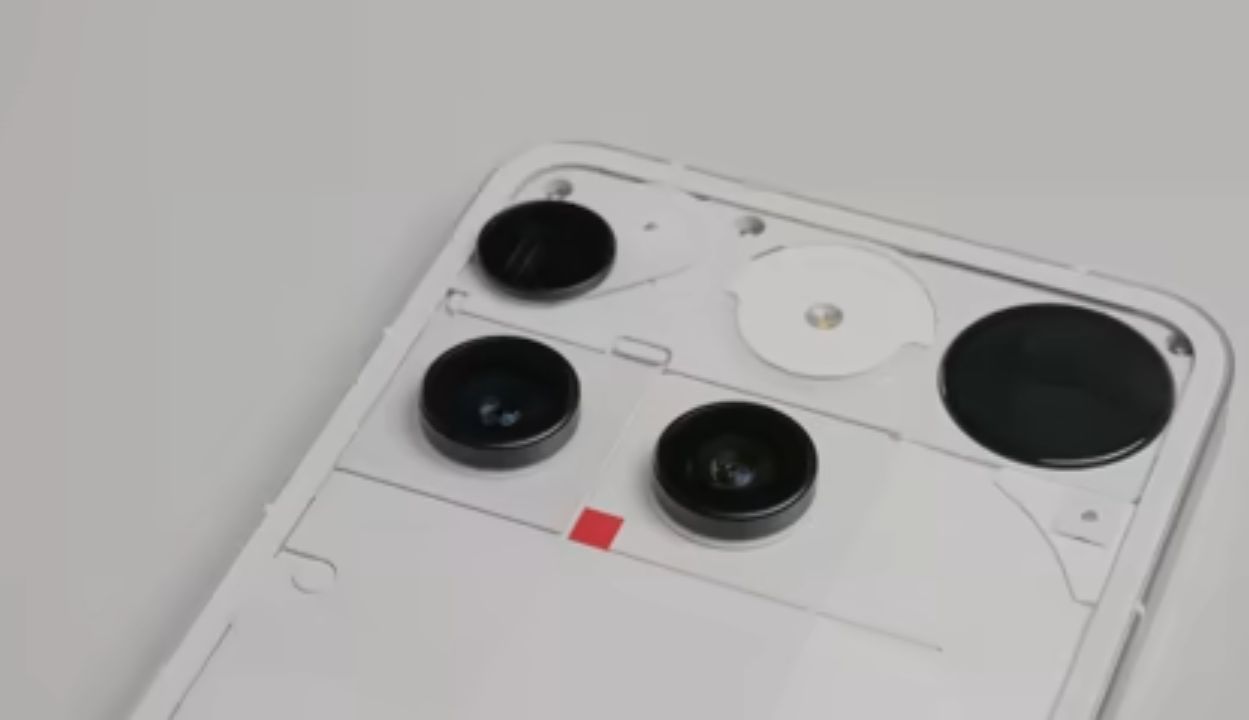
The Pro variant swaps in a Snapdragon 7 Gen 4, a sharper periscope-adjacent camera setup, and an aluminum body that feels noticeably less plasticky in hand. Reviewers who’ve used it as a daily driver point to the camera system as the standout upgrade over the standard (4a), with a telephoto sensor that punches above its price bracket. If you want the best Nothing experience without paying flagship money, this is it.
Pros: Best camera in the mid-range lineup, with periscope zoom that outperforms its price bracket · aluminum unibody feels genuinely premium · Glyph Matrix adds real functionality, not just lights. Cons: A clear step up in price from the standard (4a) · some early reviews flagged the marketed “ultra zoom” as more marketing than usable feature.
Nothing Phone (3a) Pro — still worth considering on discount
It’s a generation behind the (4a) series now, but the (3a) Pro hasn’t stopped being relevant — its periscope camera with up to 60x digital zoom was a genuine standout at launch, and prices have softened since the newer lineup arrived. If you find one at a discount from an official-adjacent Nigerian retailer, it’s a smart way to get most of the Nothing experience for noticeably less.
Pros: Prices have dropped meaningfully since the (4a) series launched · zoom camera still holds up well against newer mid-rangers · same 3-update, 6-year security promise as the newer models. Cons: A full generation behind on chipset · getting harder to find in stock as retailers shift toward the (4a) series.
Nothing Phone (3) — the flagship, for people who want the full statement
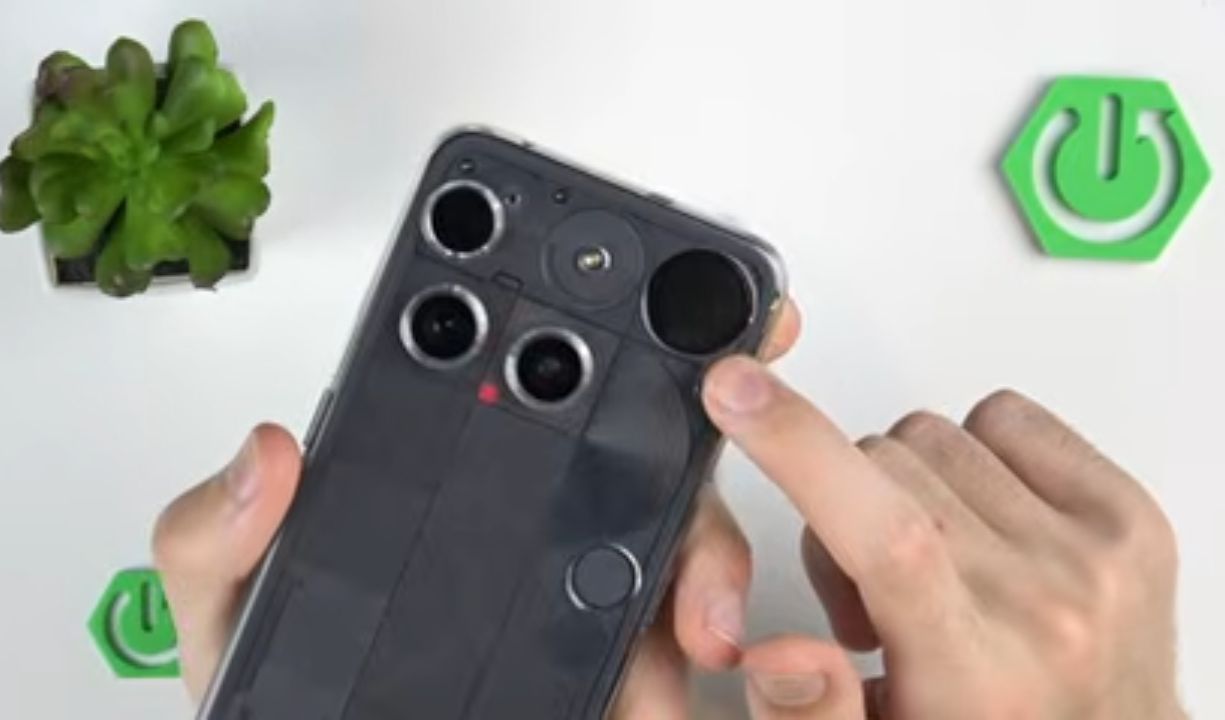
The Phone (3) runs a Snapdragon 8s Gen 4, a quad rear-camera setup, and Nothing’s most refined Glyph Matrix yet — a small secondary display embedded in the back panel rather than just LED strips. It’s a genuinely capable flagship on paper. The catch for Nigerian buyers is that it isn’t sold through an official local channel, so you’re relying on grey-market importers, which means warranty support is essentially nonexistent if something goes wrong. I’d only recommend this one to buyers who already understand and accept that trade-off.
Pros: True flagship performance and camera hardware · longest software support in the lineup, at 5 updates and 7 years of security patches · Glyph Matrix is the most refined version of Nothing’s signature feature. Cons: No official Nigerian retail channel, so you’re buying grey-market with little to no warranty · significantly more expensive than the rest of the lineup.
At a glance: how each phone scores
If you just want the scan-and-decide version, here’s how I’d rate each phone on the things that actually matter, on a rough low/mid/high basis:
| Phone | Performance | Camera | Battery | Value |
|---|---|---|---|---|
| CMF Phone 1 | Low-mid | Low | Mid | High |
| CMF Phone 2 Pro | Mid | Mid | Mid | High |
| Nothing Phone (4a) | Mid-high | Mid | High | High |
| Nothing Phone (4a) Pro | High | High | High | Mid-high |
| Nothing Phone (3a) Pro | Mid | Mid-high | Mid | Mid |
| Nothing Phone (3) | Highest | High | High | Mid (import risk) |
Nothing vs Samsung vs Redmi
The comparison I get asked about most is Nothing versus Samsung’s A-series, and versus Redmi’s Note line, since all three are fighting over the same mid-range Nigerian buyer.
Samsung’s biggest edge isn’t a spec — it’s the support network. Official Samsung service centers exist across Lagos, Abuja, and several other major cities, replacement parts are easy to source, and the Galaxy A-series now matches or beats Nothing on update longevity, with Samsung promising six years of both OS and security updates on phones like the Galaxy A56. Nothing simply can’t match that support infrastructure yet in Nigeria, since it doesn’t have an official local presence. Where Nothing pulls ahead is software experience day-to-day — Nothing OS is lighter and less bloated out of the box than Samsung’s One UI, and the Glyph interface adds a genuinely different personality that Samsung’s more conservative design doesn’t try to compete with.
Against Redmi, the calculation is more about price-to-spec ratio than polish. Redmi’s Note 15 Pro+ and Pro undercut Nothing’s mid-range phones while matching or beating them on raw numbers like battery capacity and charging speed — Redmi tends to win a pure spec-sheet fight. What you’re paying extra for with Nothing is a more cohesive, less cluttered software experience and a design identity Redmi doesn’t really attempt. If you’re buying on numbers alone, Redmi usually wins. If you’re buying on how the phone feels to use every day, Nothing tends to pull ahead.
Neither comparison has a universally correct answer — it depends on whether you value backup and resale support (Samsung), raw spec-per-naira (Redmi), or software feel and design (Nothing). If budget is the deciding factor either way, my best phones between ₦120k–₦200k guide covers where the CMF line sits against non-Nothing rivals in that exact bracket.
Frequently Asked Questions
Is CMF the same company as Nothing? Yes. CMF is Nothing’s in-house sub-brand, built to bring the same design philosophy to a lower price point, similar to how Redmi sits under Xiaomi.
Are Nothing phones officially sold in Nigeria? Coverage is inconsistent. Some models show up through authorized-adjacent retailers and marketplaces like Jumia and Jiji.ng, but there isn’t a dedicated official Nothing Nigeria storefront the way there is for Samsung or Xiaomi, so warranty terms vary a lot by seller.
Which Nothing phone has the best camera? The Nothing Phone (4a) Pro currently leads the lineup, with the Phone (3a) Pro’s periscope zoom still holding up as a strong budget-flagship alternative.
Do Nothing phones support 5G in Nigeria? Every phone in this guide supports 5G hardware, though actual usable 5G coverage depends on your network provider’s rollout — worth checking against our broader 5G phone guide if that’s a priority.
How long will a Nothing phone actually get updates? It depends heavily on which model. The Phone (3) is the outlier with 5 major Android upgrades and 7 years of security patches. Everything else in the current lineup — the (4a), (4a) Pro, (3a) Pro, and CMF Phone 2 Pro — is promised 3 major upgrades and 6 years of security patches. The CMF Phone 1 gets the least, at 2 upgrades and 3 years of security support.
Is the Glyph Interface just a gimmick? It started that way, but it’s become more functional over successive generations — call and notification identification without picking up the phone, timers, and charging status. Whether it’s worth paying for is genuinely a matter of taste.
Quick picks by need
| Need | Recommendation |
|---|---|
| Best overall | Nothing Phone (4a) |
| Best camera | Nothing Phone (4a) Pro |
| Best value | CMF Phone 2 Pro |
| Tightest budget | CMF Phone 1 |
| Flagship experience | Nothing Phone (3) |
Final take
If you’re buying a Nothing phone in Nigeria today, the (4a) is the one I’d point most people toward — it’s the first entry in the lineup where the price finally matches what you’re getting instead of charging extra for the aesthetic. Stretch a bit further and the (4a) Pro earns its premium with a genuinely better camera. The CMF line remains the honest budget option, and the Phone (3) is a flagship worth chasing only if you’re comfortable with the grey-market reality that comes with buying it here.

Comments 0
Leave a comment