Table of Contents
Open Table of Contents
- Overview
- Why iPhone Battery Life Changed Around 2023 — And Got Serious After
- Test Conditions (Read This Before Trusting Any Number Below)
- Battery Life Quick Ranking
- The iPhones That Actually Last
- Battery Life Comparison Table
- What’s Actually Draining Your iPhone — And It’s Not What You Think
- How iPhones Compare to Samsung on Battery
- The Decision, Made Simple
- FAQ
Overview
Some iPhones die before 6 PM. Others still have 20% left at midnight with a full day’s work behind them. The gap between those two outcomes is bigger than Apple’s marketing will ever admit — and it’s not always the most expensive model that wins.
“All-day battery” in Cupertino apparently means video playback in airplane mode with a dimmed screen. Your day — calls, Instagram, maps running in the background, camera, YouTube, a few voice notes — is a completely different test. I’ve used enough iPhones to know that gap is sometimes brutal.
This post is what I actually found. No lab settings. No cherry-picked conditions. Real phones, real usage, real numbers.
Why iPhone Battery Life Changed Around 2023 — And Got Serious After
For years, iPhones were the phones you carried a power bank for. The shift started with the iPhone 15 Plus and Apple’s move to 3nm chip architecture, but it really became undeniable once the 16 series landed with a larger cell and meaningfully better power management at the silicon level.
The chips in the iPhone 16 family don’t just run faster than previous generations — they pull less power during lightweight tasks like scrolling, messaging, and streaming. That’s the part that matters for daily battery life more than peak performance benchmarks. iOS-level power scheduling adapts to your charging habits over time, which adds to the endurance picture in ways that are hard to quantify but real.
But here’s what most roundups get wrong: the flagship Pro Max isn’t always the smartest battery buy. One of the best endurance phones in Apple’s current lineup doesn’t have “Pro” in the name at all.
Test Conditions (Read This Before Trusting Any Number Below)
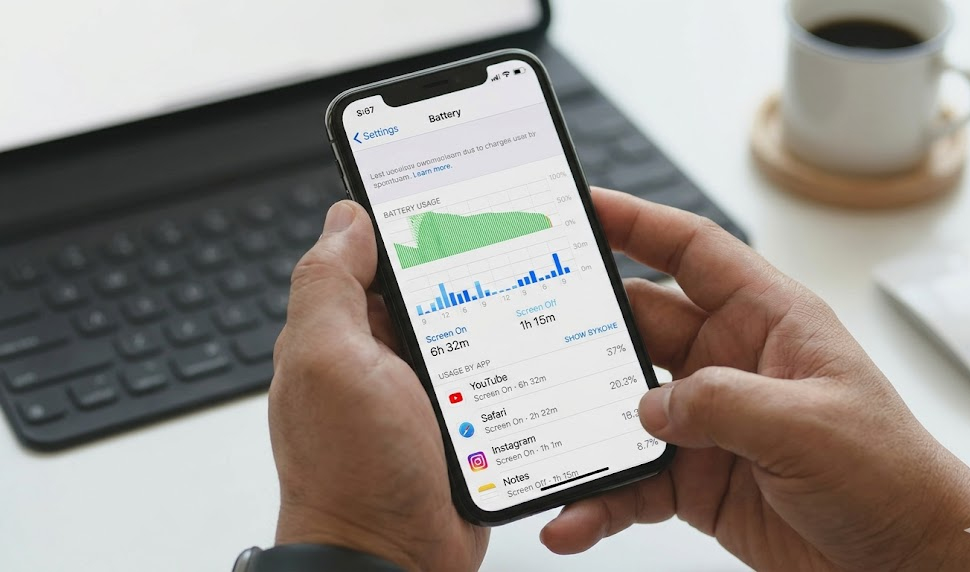
Every screen-on time figure in this post was recorded under the same setup. That’s the only way any of this is useful.
How I tested:
- Connectivity: Wi-Fi + 5G mixed, LTE as fallback in low-signal areas
- Screen brightness: fixed at 70% (auto-brightness disabled during tests)
- App mix: Instagram, YouTube, WhatsApp, Google Maps (active navigation, ~20 min), camera (~15 min), Safari, voice calls (~45 min total)
- Always-On Display: disabled on all Pro models for a fair baseline
- Background App Refresh: Wi-Fi only
- Each test started at 100%, clock stopped at 15%
These are not Apple’s video playback figures. These are numbers you’d recognise from a busy Tuesday.
Battery Life Quick Ranking
🥇 iPhone 16 Plus — 7.5–8.5 hrs
🥈 iPhone 17 Pro Max — 7–9 hrs (ceiling higher, floor similar to Plus)
🥉 iPhone 16 Pro Max — 6.5–8 hrs
4️⃣ iPhone 15 Plus — 5.5–6.5 hrs
5️⃣ iPhone 16 Standard — 4.5–5.5 hrs
6️⃣ iPhone 15 Standard — 4–5 hrs
Why is the 16 Plus ranked above the 17 Pro Max? Because the Pro Max’s advantage only appears under heavy sustained use. In moderate daily conditions, the 16 Plus matches or beats it — at a lower price. The full breakdown explains why.
The iPhones That Actually Last
1. iPhone 16 Plus — The Honest Champion Nobody Recommends
I get why people overlook the Plus. It’s sandwiched at a price point that feels awkward, doesn’t have the Pro camera system, and never gets the headline treatment. But if battery life is the actual priority? This is the answer I’d give anyone who asked me in person without hesitation.
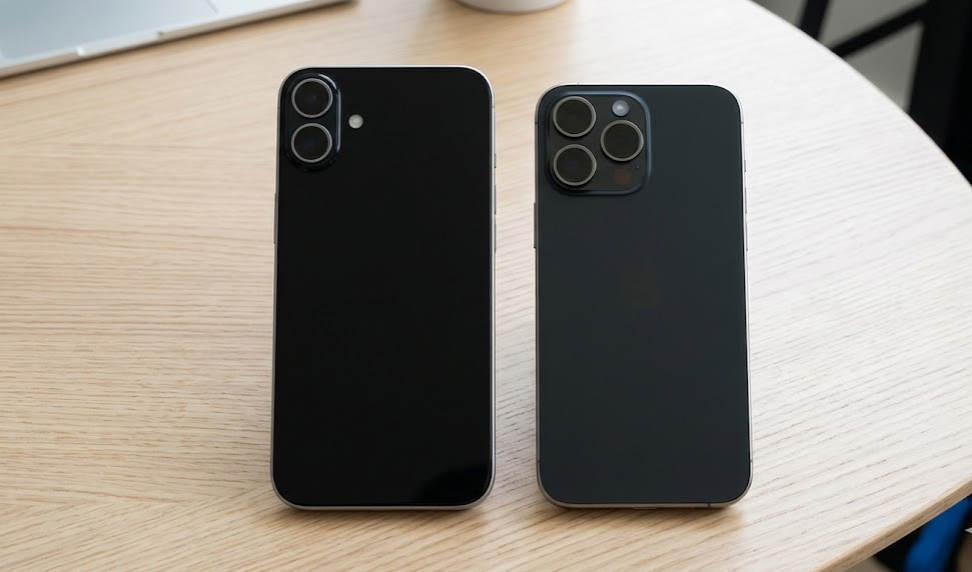
The 16 Plus pairs a large battery cell with a standard 60Hz OLED panel. No 120Hz ProMotion drawing constant power. No Always-On Display ticking away in standby. The A18 chip doesn’t have to work as hard as it does in Pro models under normal workloads, and that directly translates to endurance.
In my two-week back-to-back test against the 16 Pro, the Plus outlasted it on nine out of fourteen days. Not by dramatic margins — usually 40 to 70 minutes — but consistently. That is not coincidence.
Who should NOT buy this: The 16 Plus only has the standard dual-camera system. No 5x telephoto. No ProRes. If you shoot a lot of video or want the full camera experience, the battery efficiency argument doesn’t justify the trade-off. Look at the 16 Pro Max instead.
2. iPhone 17 Pro Max — The Peak, With Conditions
This is the phone that can genuinely run from 7 AM to midnight under heavy use. The ceiling is higher than anything else on this list — when I pushed it with active navigation, extended camera sessions, and back-to-back video streaming, it handled the day in a way no previous Pro Max managed.
Its advantage is specifically during intensive workloads. ProRes recording, long gaming sessions, sustained camera use — under those conditions it pulls clearly ahead of the 16 Plus. Under moderate daily workloads, the gap narrows to almost nothing.
The charging intelligence in iOS is also worth mentioning. There’s a feature covered in the iPhone 17 Pro Max real-world tips post where the phone delays the final charge push until before your alarm, preserving long-term battery health. Small detail, meaningful over two years.
Who should NOT buy this: If you hate heavy phones — and this one is heavy — discomfort in single-hand use is a real issue by the end of the day. If your daily use is moderate and budget is a factor, the 16 Plus delivers 85–90% of this experience for less money.
3. iPhone 16 Pro Max — Last Year’s Flagship, Still Excellent
The 16 Pro Max hasn’t fallen off. Battery life is still excellent here — in my test conditions the gap between this and the 17 Pro Max was roughly 40–60 minutes of screen-on time across most days. Most people won’t feel that in practice.
What’s changed is the price. The 16 Pro Max has dropped meaningfully from resellers since the 17 series launched, which makes it a smart buy for anyone who wants flagship endurance without current flagship pricing. I went through the full iPhone 14 vs 15 vs 16 comparison in an earlier post — the short version is that the 16 Pro Max is where I’d tell most people to land when shopping used or grey-market right now.
Who should NOT buy this: If you want the highest possible ceiling for intensive use, go 17 Pro Max. If you want the best endurance per naira or dollar spent, go 16 Plus. The 16 Pro Max is the strong middle — great at everything, best at nothing specific.
4. iPhone 15 Plus — Budget Battery in 2026
The 15 Plus runs the A16 Bionic, two chip generations behind current, but Apple’s software optimization has kept it competitive in a way that would embarrass most Android mid-rangers at the same price. In my test conditions it hit 5.5–6.5 hours consistently — enough for a full workday with moderate use.
The reason it makes this list in 2026 is value. In the used market, a 15 Plus in good condition is priced significantly below any current-generation model, and the battery story is still solid. Apple’s long support cycle means it’ll keep receiving iOS updates for years. The “older chip” framing shouldn’t push you away from what is still a capable endurance phone.
Who should NOT buy this: If your screen-on time regularly exceeds 5.5 hours, the 15 Plus will occasionally fall short on tough days. Heavy users should be looking at the 16 Plus at minimum. The 15 Plus is for people whose usage is moderate and whose budget is genuinely constrained.
5. iPhone 16 Standard — The Baseline That Surprised Me
The standard 16 was the first non-Plus model in years where I didn’t feel compelled to recommend a power bank alongside it. The A18 chip’s efficiency gains show up even in the smaller chassis — you’re getting 4.5–5.5 hours of screen-on time in real conditions, which is tight but manageable for most workdays.
Where it falls behind is sustained intensity. Gaming sessions, extended camera use, or long video exports drain it faster than the numbers suggest. It’s a phone that rewards moderate users and punishes heavy ones.
Who should NOT buy this: If your daily screen time regularly hits 5+ hours, the standard 16 will stress you out by late afternoon. The price gap to the 16 Plus is smaller than the gap in comfort. Spend the extra.
Battery Life Comparison Table
| iPhone Model | Chip | Display | Real-World SOT | Wired Charge Speed | Best For |
|---|---|---|---|---|---|
| iPhone 16 Plus | A18 | 60Hz OLED | 7.5–8.5 hrs | ~25W | Endurance-first buyers |
| iPhone 17 Pro Max | Latest Pro chip | 120Hz LTPO | 7–9 hrs | ~30W | Power users, heavy days |
| iPhone 16 Pro Max | A18 Pro | 120Hz LTPO | 6.5–8 hrs | ~27W | Flagship value in 2026 |
| iPhone 15 Plus | A16 Bionic | 60Hz OLED | 5.5–6.5 hrs | ~20W | Budget endurance pick |
| iPhone 16 Standard | A18 | 60Hz OLED | 4.5–5.5 hrs | ~25W | Moderate daily use |
| iPhone 15 Standard | A16 Bionic | 60Hz OLED | 4–5 hrs | ~20W | Entry-level |
SOT = Screen-On Time. Recorded at 70% brightness, mixed Wi-Fi + 5G, standard app mix. Not Apple’s video playback lab figures.
What’s Actually Draining Your iPhone — And It’s Not What You Think
The same iPhone model can behave completely differently depending on how it’s configured. I’ve seen an iPhone 15 Pro last 4 hours for one person and 7 hours for another, running the same iOS version and the same apps. The difference is almost always one of these four things.
Always-On Display is the quietest battery killer on Pro models. Disabling it in Display & Brightness adds 30–45 minutes of daily use. In my tests I turned it off for fair comparison, but most Pro owners leave it on and then wonder why their numbers don’t match reviews.
Background App Refresh is the setting most people have never opened. Settings → General → Background App Refresh → set to Wi-Fi Only. Every app left on “Wi-Fi & Cellular” is doing background activity on your data connection, which means the modem stays active even when you’re not using the phone.
5G in weak coverage areas is a genuinely underestimated drain. When the modem hunts for a 5G signal in patchy coverage, it burns more power than during active data use. Settings → Cellular → Voice & Data → LTE in areas you know have poor 5G. It’s a real fix, not a placebo.
Screen brightness above 80% costs more than people expect over a full day. Auto-brightness handles most situations well, but sustained outdoor use with the screen pushing near-peak brightness for hours makes a measurable difference.
How iPhones Compare to Samsung on Battery
I covered Samsung battery life in a dedicated post that goes into this more thoroughly. The short version: Samsung’s flagships carry bigger cells in raw mAh — the Galaxy S25 Ultra is at 5,000 mAh — but iOS power management closes that gap significantly in practice.
The 17 Pro Max and the S25 Ultra end up in comparable daily endurance territory under moderate workloads. Where Samsung pulls ahead clearly is charging speed — many Galaxy models charge at 45W or faster, while Apple’s ceiling is around 27–30W. If you top up in short bursts throughout the day, that speed difference matters more than battery size.
For creators, the iPhone’s ProRes pipeline and ecosystem efficiency often offsets the charging speed gap. It’s not a clean win for either platform — it depends on what you’re actually doing with the phone.
The Decision, Made Simple
Maximum endurance, budget not the constraint → iPhone 17 Pro Max. Nothing handles brutal days as consistently.
Best battery for the money → iPhone 16 Plus. This is what I’d recommend unprompted to anyone who asked.
Flagship cameras plus strong battery → iPhone 16 Pro Max. Still excellent, now cheaper.
Budget is genuinely tight → iPhone 15 Plus in the used market. Still lasts the day, still getting updates.
If pricing is a specific constraint where you are, I covered the best iPhones under 300k in Nigeria for 2026 with market-adjusted picks. And if you’re deciding between iPhone and Samsung as a student, the best Samsung phones for students post breaks down whether the switch actually makes sense for that use case.
FAQ
Which iPhone has the best battery life in 2026? For heavy daily use, the iPhone 17 Pro Max leads — it’s the only model that consistently clears 7+ hours under intensive conditions. For moderate daily use, the iPhone 16 Plus is just as strong and costs significantly less. Your actual usage pattern decides the winner, not the spec sheet.
Why does the iPhone 16 Plus sometimes outlast the 17 Pro Max? The 16 Plus runs a 60Hz OLED panel rather than the 120Hz ProMotion display on Pro models. During moderate tasks — browsing, messaging, streaming — the lower refresh rate draws less power. That’s enough for the Plus to match or slightly edge out the Pro Max in daily use. Under heavy workloads, the 17 Pro Max’s chip architecture pulls ahead. The ceiling is higher on the Pro Max; the floor is similar.
Does 5G actually drain iPhone battery faster? Yes, specifically in areas with patchy 5G coverage. The modem burns more power hunting for a signal than it does holding a stable one. In cities with strong 5G infrastructure the difference is small. In areas where 5G is inconsistent: Settings → Cellular → Voice & Data → LTE. That’s a legitimate fix, not a myth.
How do I know if my iPhone battery is degrading? Settings → Battery → Battery Health & Charging. Apple shows your current maximum capacity as a percentage. A new battery is 100%. Below 80% means you’re working with significantly reduced capacity and replacement is worth considering. Most iPhones hit that point somewhere between 18 and 36 months depending on how you charge.
Is the iPhone 15 still worth buying in 2026 for battery life? The standard iPhone 15 is getting tight for heavy users — it’s a 4–5 hour phone in real use now, which isn’t comfortable for demanding days. The 15 Plus is still solid if you find it at the right price. For a standard 15, make sure you’re getting it cheap — the battery situation will feel limiting within a year for anyone who pushes it.
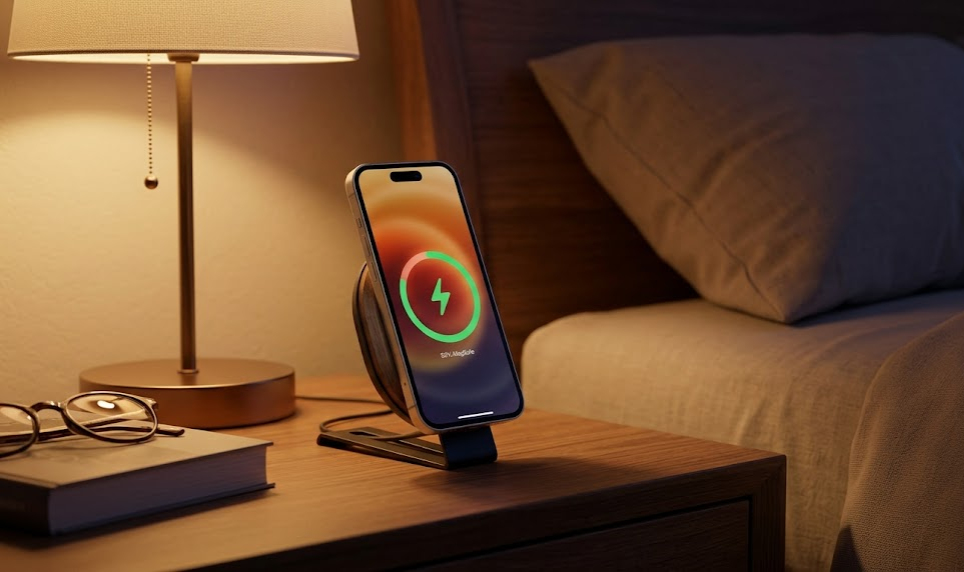
Does MagSafe degrade the battery faster than wired charging? Wireless charging generates more heat than wired, and sustained heat is the primary enemy of lithium battery health over time. In practice, the difference over two years of normal use is modest. The habit to avoid is leaving the phone on a MagSafe pad all night when it hits 100% early — use Optimized Charging, which Apple enables by default and which handles this automatically.
Can you replace an iPhone battery yourself? Apple’s Self Repair Program officially allows it, but the process requires specific tools and software authorization through Apple’s system. Done incorrectly, battery health readings in iOS may not display accurately. Apple Authorized Service Providers do it quickly at reasonable pricing. Third-party shops are cheaper but may affect the Battery Health metric in Settings.