Table of Contents
Open Table of Contents
- Overview
- The Lineup at a Glance (with Nigeria Pricing)
- Quick Verdict
- Display, Chip, and Storage Differences
- Charging and Battery: Don’t Sleep on the Numbers
- Who Should Buy the Base iPhone 17
- The Pro Max Is Still the Camera King
- Long-Term Support: Which iPhone Ages Better
- Budget Buyers: Look Sideways, Not Just Down
- Students Have Different Priorities
- My Recommendation for Nigerian Buyers
- Buying a Used iPhone in Nigeria: What to Check
- Where Nigerians Usually Buy iPhones
- FAQ
Overview
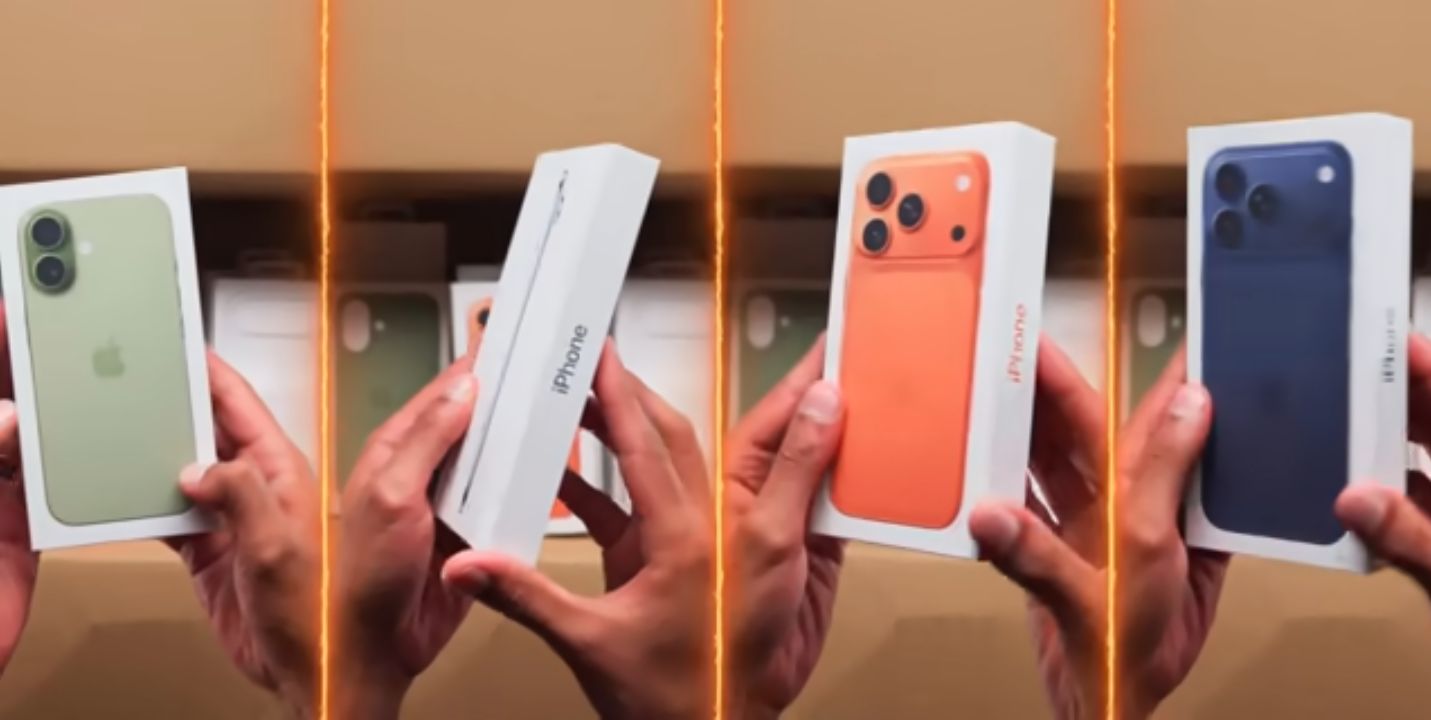
Every year the “which iPhone should I buy” question gets a little more annoying to answer, because Apple keeps stretching the lineup thinner. You’re no longer picking between two or three phones — you’re picking between a base model, an ultra-thin Air, a Pro, a Pro Max, and whatever’s left of last year’s models still sitting on shelves at a discount. In 2026, that gap has only gotten wider, and the “best” iPhone genuinely depends on what you’re optimizing for: price, camera output, battery life, or just not wanting to think about it for the next four years.
After comparing available benchmarks, retailer listings, and real-world review data across the current lineup — rather than just repeating spec sheets — here’s where each model actually makes sense, with Nigerian pricing included, since forex swings hit naira prices harder than almost anywhere else.
The Lineup at a Glance (with Nigeria Pricing)
Naira prices for iPhones move with the parallel market exchange rate, so treat these as a realistic range rather than a fixed number. Always confirm with a verified vendor before paying, and check the IMEI on Apple’s site before handing over cash.
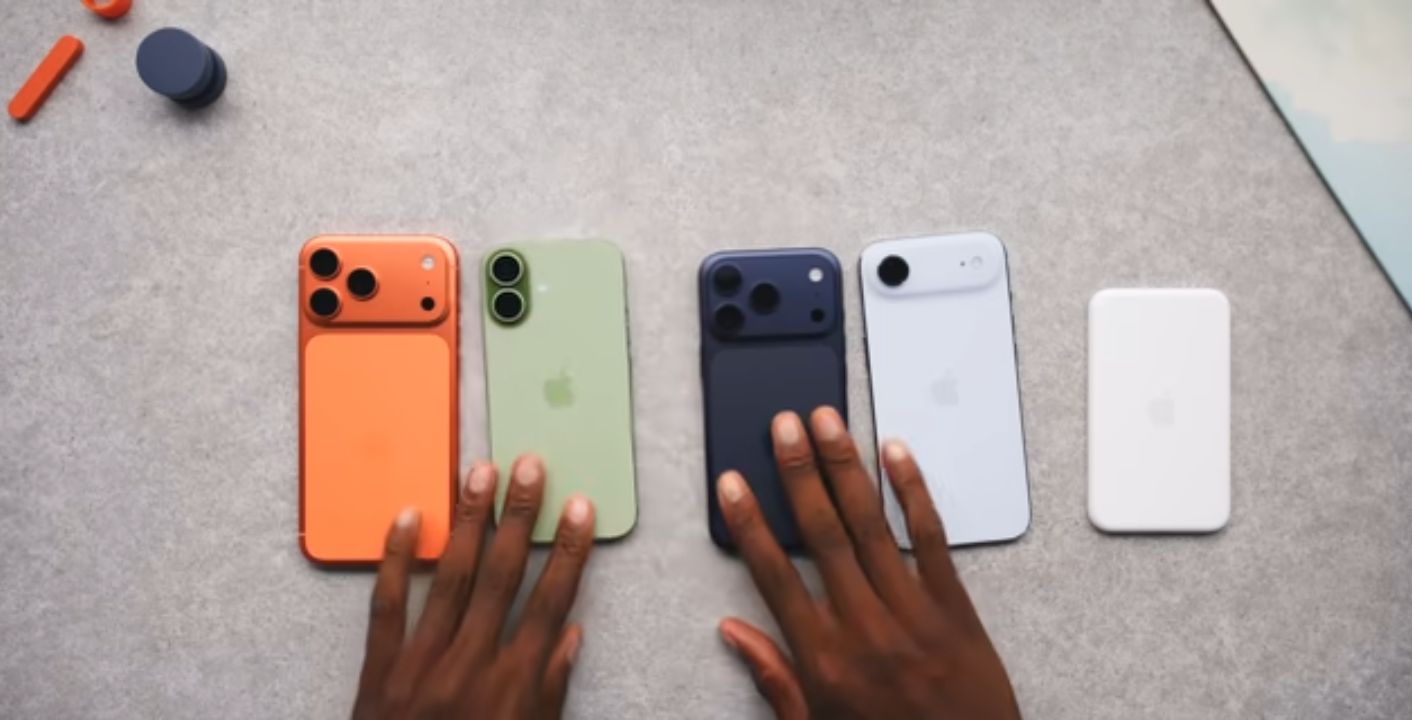
| Model | Nigeria Price Estimate (256GB) | Who Should Buy |
|---|---|---|
| iPhone 17 | ₦1,200,000 – ₦1,650,000 | Most everyday users, upgraders from iPhone 13/14 |
| iPhone 17 Air | ₦1,550,000 – ₦2,100,000 | Buyers who want a slim, lightweight flagship |
| iPhone 17 Pro | ₦1,850,000 – ₦2,700,000 | Creators, enthusiasts who shoot a lot of content |
| iPhone 17 Pro Max | ₦2,250,000 – ₦2,950,000 (up to ₦4,500,000 for 1TB) | Camera-first users, travel photographers |
| Previous-gen (iPhone 16 / 16e) | ₦700,000 – ₦1,100,000 | Budget-conscious buyers, students |
Quick Verdict
If you’d rather skip the reasoning and jump straight to a decision, here’s the short version:
| If you want… | Buy this |
|---|---|
| Best overall value | iPhone 17 |
| Best camera | iPhone 17 Pro Max |
| Best battery life | iPhone 17 Pro Max, then Pro |
| Slimmest, lightest design | iPhone 17 Air |
| Best value for money | Previous-generation iPhone (16 / 16e) |
| Best for students | iPhone 17 or a well-priced previous-gen Pro |
Display, Chip, and Storage Differences
The gap between the base model and the Pro tier has narrowed this generation, but it hasn’t closed. All four current models now run ProMotion up to 120Hz, which used to be a Pro-exclusive feature — that alone makes the base iPhone 17 feel noticeably smoother than older base models. Where they still diverge is peak brightness in direct sunlight (a real factor if you’re outdoors a lot in Lagos or Abuja heat) and screen size options: the Pro Max’s 6.9-inch panel is meaningfully larger than the 6.3-inch base model and even the 6.5-inch Air.
On the chip side, only the base iPhone 17 runs the standard A19 — the Air, Pro, and Pro Max all ship with the A19 Pro. That said, the Air gets a slightly cut-down version with one less GPU core than the Pro and Pro Max, and it lacks their vapor chamber cooling, so it can’t sustain heavy loads as long before throttling kicks in. For everyday browsing, social media, and casual gaming, none of this is noticeable — it only shows up in sustained tasks like long gaming sessions, 4K video editing, or extended ProRAW shooting bursts.
Storage-wise, the base model tops out lower than the Pro tier, and the Pro Max is the only model offering a 2TB option — relevant if you shoot a lot of 4K video and don’t want to lean on cloud storage, which isn’t always reliable on Nigerian mobile data.
Charging and Battery: Don’t Sleep on the Numbers
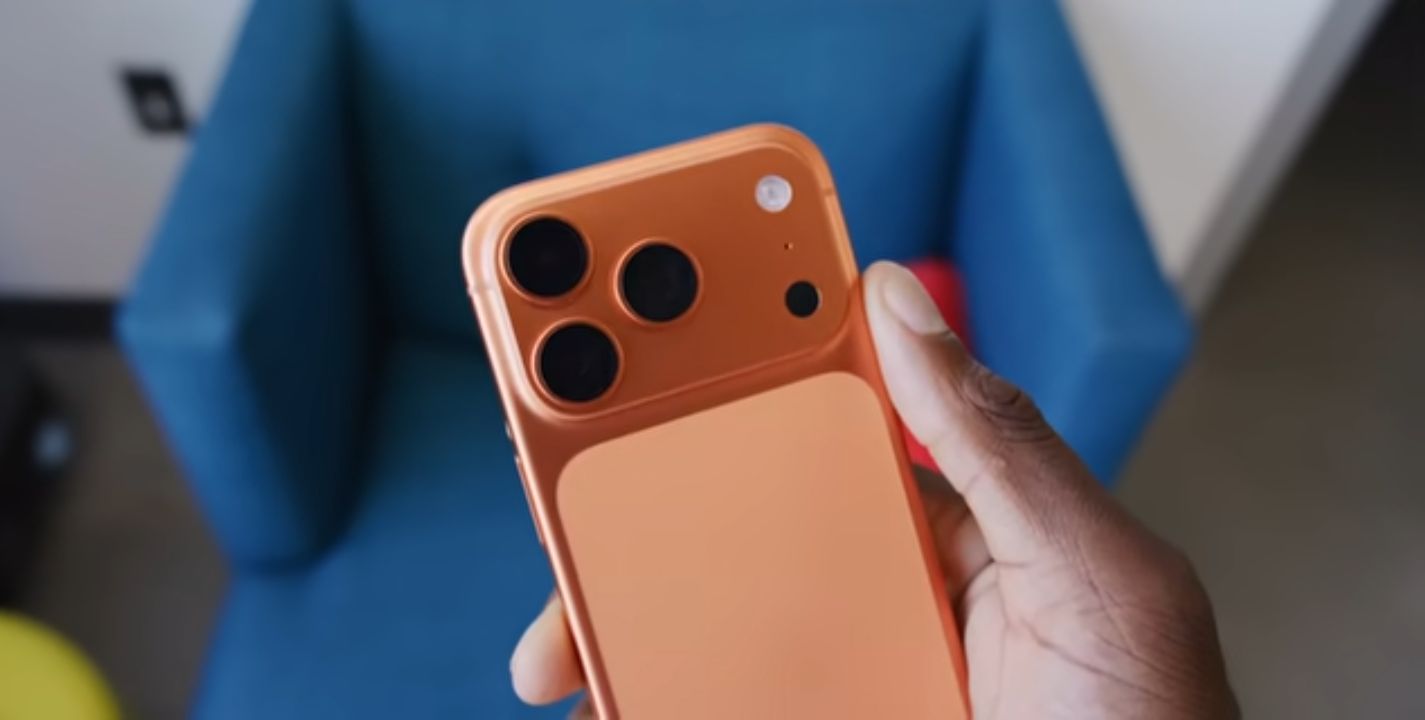
Charging speeds are similar across the lineup, with MagSafe wireless charging at 25W on the base, Pro, and Pro Max, and a slightly slower 20W on the Air due to its slim battery. What actually matters more day-to-day is raw battery capacity: the Air’s slim profile comes at the cost of the smallest battery in the lineup, while the Pro Max carries the largest cell and consistently delivers the longest screen-on time in the range. In a market where power outages are common and topping up isn’t always convenient, that gap is worth weighing seriously. We cover this in more depth in our dedicated best iPhones for battery life guide.
Who Should Buy the Base iPhone 17
If your current phone still works but feels sluggish, the standard iPhone 17 is the sensible middle ground. It carries over most of what made last year’s Pro feel premium — smoother display motion, a genuinely capable main sensor, and enough processing headroom to not feel behind for a few years. It’s not the phone for someone chasing the best possible zoom shots, but for messaging, social media, and casual photography, it holds its own without the Pro markup — and at current Nigerian pricing, it’s the model that makes the most financial sense for most buyers.
The Pro Max Is Still the Camera King
For anyone who’s read our best camera phones 2026 breakdown, this won’t be a surprise — the Pro Max continues to lead Apple’s lineup in low-light detail retention and zoom consistency, thanks to its full triple-lens setup and the widest optical-quality zoom range Apple has shipped. If you’ve already gone deep on iPhone camera settings for better photos, pairing that knowledge with Pro Max hardware is where you’ll notice the biggest jump in output quality, especially shooting in ProRAW.
It’s also worth a look at how this stacks up against the competition — our top iPhones with the best camera in 2026 piece goes deeper on sensor-level comparisons if you want the full picture. The catch is price: at 256GB Pro Max pricing already sits well above ₦2.2 million, and jumping to 1TB or 2TB pushes it toward ₦4.5 million, so this is a model to justify with actual use, not just spec envy.
Long-Term Support: Which iPhone Ages Better
Apple typically supports iPhones with major iOS updates for around 6-7 years from release, and that support window is identical across the base, Air, Pro, and Pro Max within the same generation — so buying the base model doesn’t mean losing software updates sooner. What does age differently is real-world performance: the A19 Pro chip in the Pro and Pro Max tier has more headroom to stay smooth several years down the line compared to the standard A19, which matters if you plan to hold onto the phone for four or five years rather than upgrading every cycle.
Budget Buyers: Look Sideways, Not Just Down
If Apple’s current pricing is out of reach, don’t automatically assume last year’s cheapest model is your only option. If you’re in Nigeria specifically, our best iPhones under ₦300k in Nigeria 2026 roundup covers what’s realistically available at that budget, including refurbished and imported units. And if you’re weighing iPhone against Android at this price point, the best Android phones 2026 and best Samsung phones 2026 guides are honest comparisons worth reading before you lock in on iOS.
Students Have Different Priorities
Battery life, durability, and price-to-performance usually matter more to students than raw camera specs. We’ve laid out the full reasoning in best iPhones for students, but the short version: the base model or a well-priced previous-gen unit almost always beats stretching your budget for a Pro you won’t fully use.
My Recommendation for Nigerian Buyers
Pulling everything above together, here’s the straight answer if you just want a final call:
| Buyer type | Recommended model |
|---|---|
| Most people | iPhone 17 |
| Creators / business users | iPhone 17 Pro |
| Camera lovers | iPhone 17 Pro Max |
| Students | iPhone 16 / 16e or a discounted older Pro model |
| Tight budget, still want current-gen | Base iPhone 17, 256GB |
One thing worth saying plainly: avoid paying extra for storage you don’t need. The jump from 256GB to 512GB or 1TB adds a significant chunk to the naira price on every model, and unless you’re shooting a lot of 4K video or ProRAW photos, cloud storage plus a decent iCloud or Google One plan covers most people’s needs for far less money. Buy the storage tier that matches how you actually use your phone, not the one that sounds safest.
Buying a Used iPhone in Nigeria: What to Check
A large share of iPhones sold in Nigeria are imported UK or US used units, and that’s a perfectly reasonable way to get current-gen hardware at a lower price — as long as you check the phone properly before paying. Computer Village and similar markets have plenty of legitimate sellers, but also enough bad actors that a quick inspection routine is worth the ten minutes it takes.
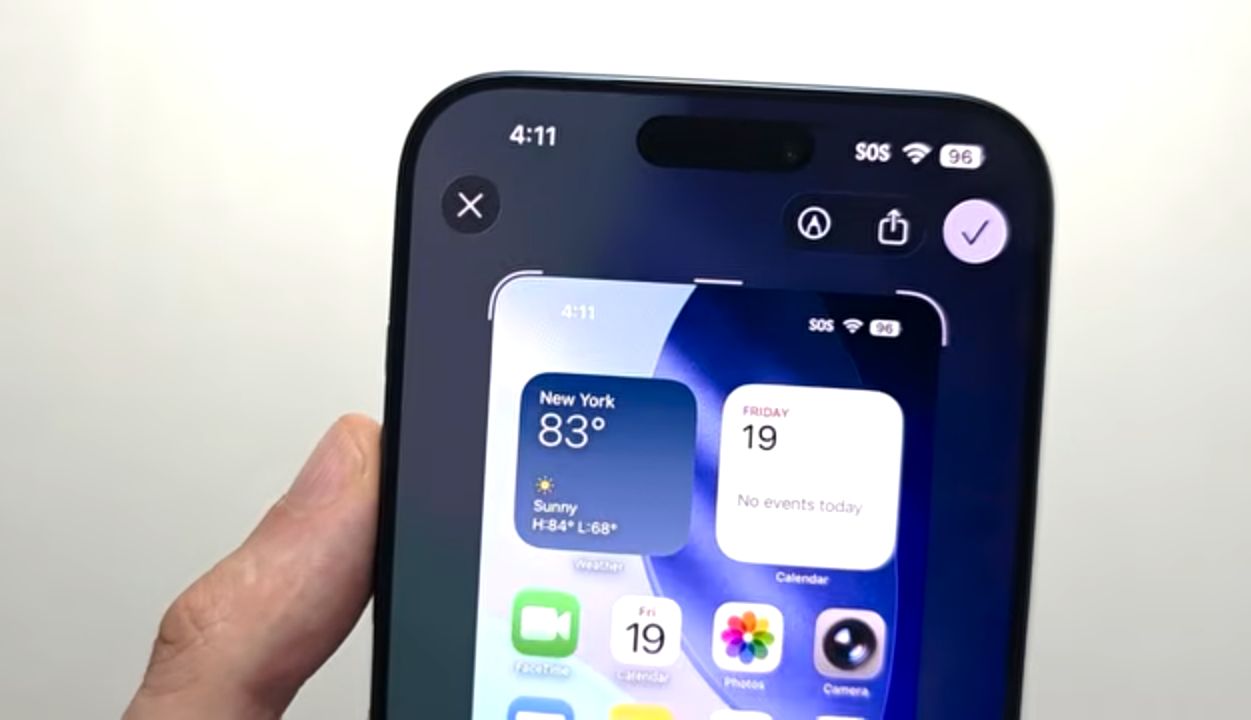
- Check battery health. Go to Settings > Battery > Battery Health & Charging and confirm the maximum capacity is above 85%. Anything lower means you’ll be charging more often than you’d like within a year.
- Check Face ID works properly. Set it up on the spot and test it in different lighting, including low light. A phone with a damaged Face ID module is a common issue on used units and expensive to fix.
- Check True Tone is available. If True Tone is missing or grayed out in Display settings, it usually means the screen has been replaced with a non-genuine part — a sign the phone has had prior repairs, possibly hiding other issues.
- Check for iCloud lock. Go to Settings > General > About or ask the seller to sign out of iCloud in front of you. If they hesitate or can’t remove Find My iPhone, walk away — you could end up with a bricked device.
- Verify the IMEI. Dial
*#06#or check Settings > General > About for the IMEI, then confirm it on Apple’s official coverage checker to make sure the phone isn’t reported lost, stolen, or still under someone else’s Find My account. - Avoid unusually cheap units. If a price looks far below every other listing for the same model and storage, there’s almost always a reason — a blacklisted IMEI, a hidden repair, or a phone that isn’t what it’s advertised as.
Buying from a seller who lets you do all of the above before payment is usually a good sign in itself. If they rush you or refuse a proper check, that’s worth treating as a red flag on its own.
Where Nigerians Usually Buy iPhones
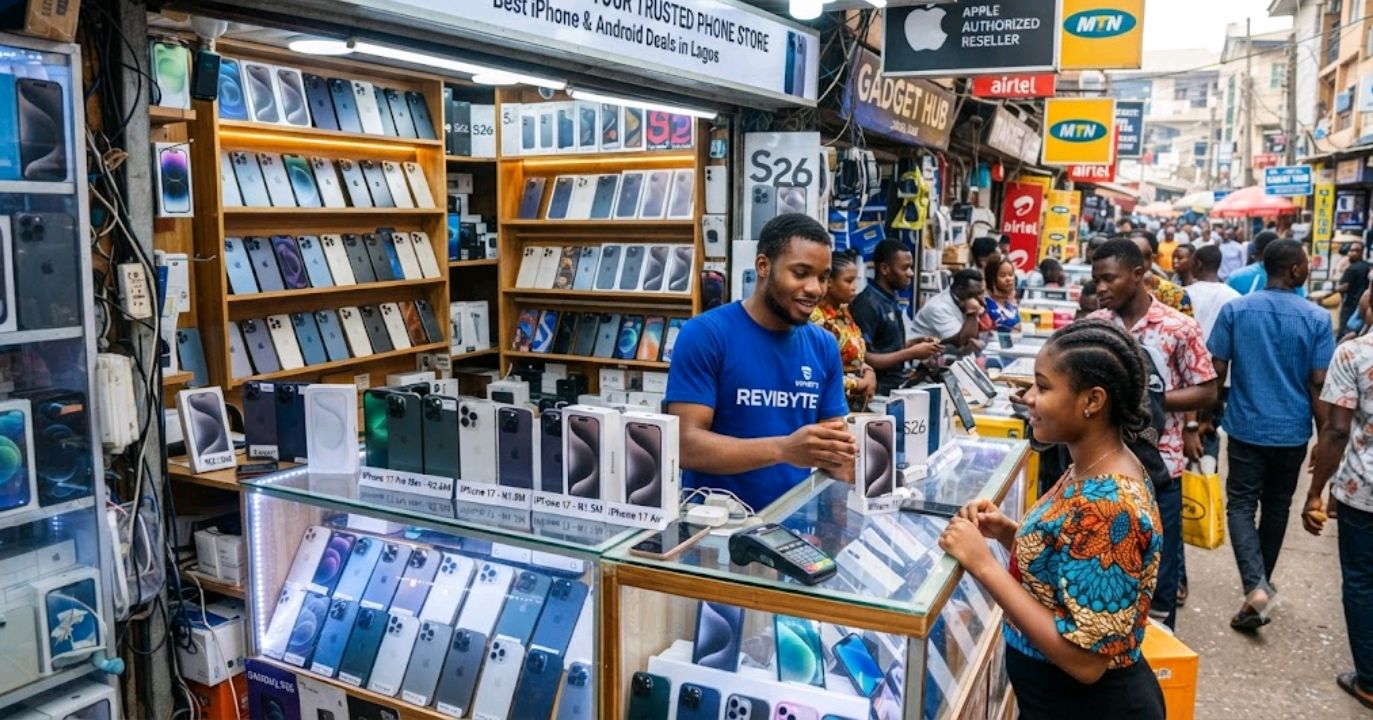
Where you buy matters almost as much as which model you buy, since it directly affects whether you get a warranty, a genuine device, and someone to go back to if something goes wrong.
- Authorized retailers and Apple resellers are the safest option for brand-new units. You pay a premium over street prices, but you get a real warranty, verified authenticity, and proper after-sales support — worth it for anyone who isn’t confident inspecting a phone themselves.
- Trusted online stores with verifiable business history, clear return policies, and consistent customer reviews are a solid middle ground, especially for buyers outside Lagos or Abuja who can’t easily visit a physical shop. Look for stores that have been active for years, not ones that popped up recently with prices that seem too good to be true.
- Reputable sellers at Computer Village and similar markets can offer genuinely good deals on both new and used iPhones, but reputation there is everything — buy from vendors with a track record, physical shop presence, and a willingness to let you run the checks covered in the used-iPhone section above before you pay.
- Avoid random social media sellers you have no way to verify. A deal that lands in your DMs or WhatsApp from someone with no reviews, no fixed location, and pressure to pay quickly is one of the most common ways people end up with a blacklisted, locked, or outright fake device in Nigeria. If you can’t inspect the phone in person or verify the seller independently, it’s not worth the risk no matter how good the price looks.
Whichever route you go, the fundamentals from the previous section still apply — check the battery health, Face ID, True Tone, iCloud lock, and IMEI before you hand over money.
FAQ
Is the iPhone 17 Pro Max worth the extra cost over the regular Pro?
Only if battery life or the extended zoom range genuinely matters to your daily use. For most people, the difference is noticeable but not essential — and at Nigerian pricing, that gap can be several hundred thousand naira.
Should I buy last year’s iPhone instead of the newest one?
If the price drop is significant and you don’t need the latest camera or chip improvements, buying the previous generation is often the smarter financial move, especially with naira volatility pushing current-gen prices higher.
Does the base iPhone 17 support the same camera features as the Pro?
No — the Pro models get additional lenses and computational photography features the base model doesn’t have, though the main sensor on the standard model is still solid for everyday shooting.
Which iPhone has the best battery life in 2026?
The Pro Max leads in real-world battery stamina thanks to its larger cell, followed by the Pro. The Air, due to its slim design, has the smallest battery in the current lineup.
Why do iPhone prices in Nigeria vary so much between retailers?
Because most units are imported, pricing tracks the daily USD/NGN exchange rate plus shipping, customs duties, and individual retailer margins — the same model can legitimately differ by hundreds of thousands of naira between vendors.
Is it better to buy an iPhone or a flagship Android in 2026?
It depends on ecosystem preference and budget more than raw hardware at this point — both platforms have genuinely competitive flagships this year.
Prices, availability, and regional variants change frequently — always confirm current pricing with Apple or an authorized/verified retailer before purchasing, and check IMEI authenticity on Apple’s official site.

Comments 0
Leave a comment