Table of Contents
Open Table of Contents
Overview
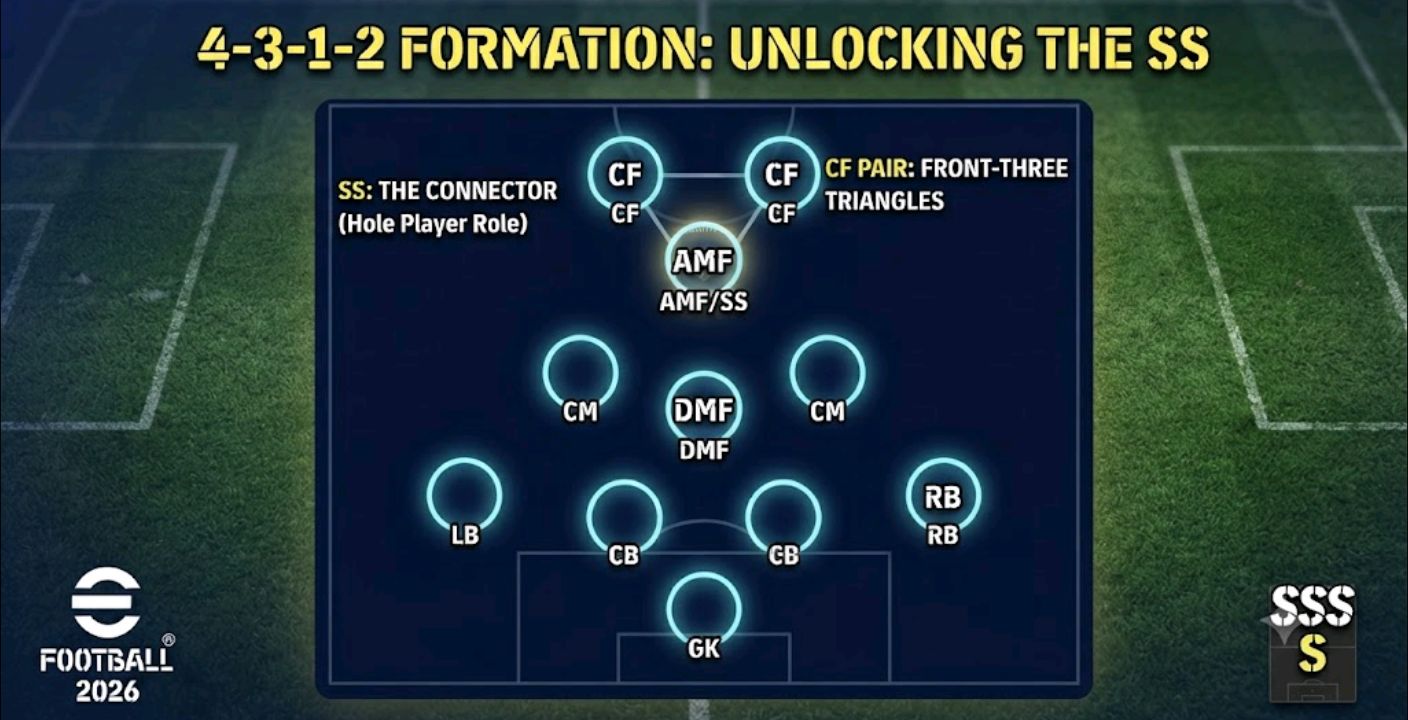
The Second Striker role is the one most people get wrong in eFootball 2026. Players slot in whoever has the highest overall rating, park them just behind the CF, and wonder why the attack looks disjointed. An SS isn’t a backup striker. He’s the connector — the guy who drops deep to collect the ball when your midfield is stuck, then reappears in the box a second later because your CF pulled a defender out of position. Get that timing right and your front line stops feeling like two separate units.
The July 2026 update wasn’t a major gameplay overhaul, but the recent wave of Epic and Big Time player releases (including the AC Milan and Breakthrough Pass drops) has changed which cards are most competitive at SS. A couple of cards that were auto-picks a few months ago have slipped a tier simply because better alternatives now exist, not because anything about them changed.
These rankings combine my gameplay experience with comparisons of player attributes, playstyles, and how these cards perform in competitive matches — across possession-based 4-3-1-2 setups and quicker 4-2-1-3 counters. The picks below reflect what’s actually held up in that testing, not what looks good on a stat card in the transfer market.
How These Rankings Are Built
Every SS on this list is judged against the same five criteria, in this order of weight:
- Offensive Awareness — how well the player finds pockets of space without manual input, and how quickly he reacts once a gap opens.
- Link-up play — first touch under pressure, hold-up ability, and how reliably he connects the midfield to the CF rather than just standing on the shoulder of the last defender.
- Finishing — conversion rate in the box and from range, including weak-foot accuracy, since a second striker who can’t finish is really just a passer in the wrong role.
- Movement — timing of runs, whether he drops deep to collect or arrives late in the box, and how well that movement fits Hole Player, Dummy Runner, or Creative Playmaker instincts.
- Performance in Division 1 — how the card actually holds up against organized, competitive defending rather than AI or lower-division opposition, where mistakes get punished far less.
If you’re building a front line around one of these picks, it’s worth reading it alongside my breakdown of the best strikers in eFootball 2026 — an SS is only as good as the CF he’s feeding, and the two roles need to complement rather than duplicate each other.
Top Second Strikers Ranked
| Rank | Player | Playstyle | Best For | Tier |
|---|---|---|---|---|
| 1 | Cruyff | Hole Player | Possession, false-nine systems | SSS |
| 2 | Kaká | Hole Player | Ball-carrying, front-three triangles | SSS |
| 3 | Rud Gullit | Hole Player | All-round link-up, box-to-box attack | S |
| 4 | Griezmann | Hole Player | Left-footed finishing, quick combos | S |
| 5 | Platini | Hole Player | Patient possession, timed runs | S |
| 6 | Doué | Dummy Runner | Tight-space dribbling, counters | A |
| 7 | Totti | Creative Playmaker | Slower build-up, between-the-lines play | A |
| 8 | Raúl | Dummy Runner | Quick counters, stamina-heavy matches | A |
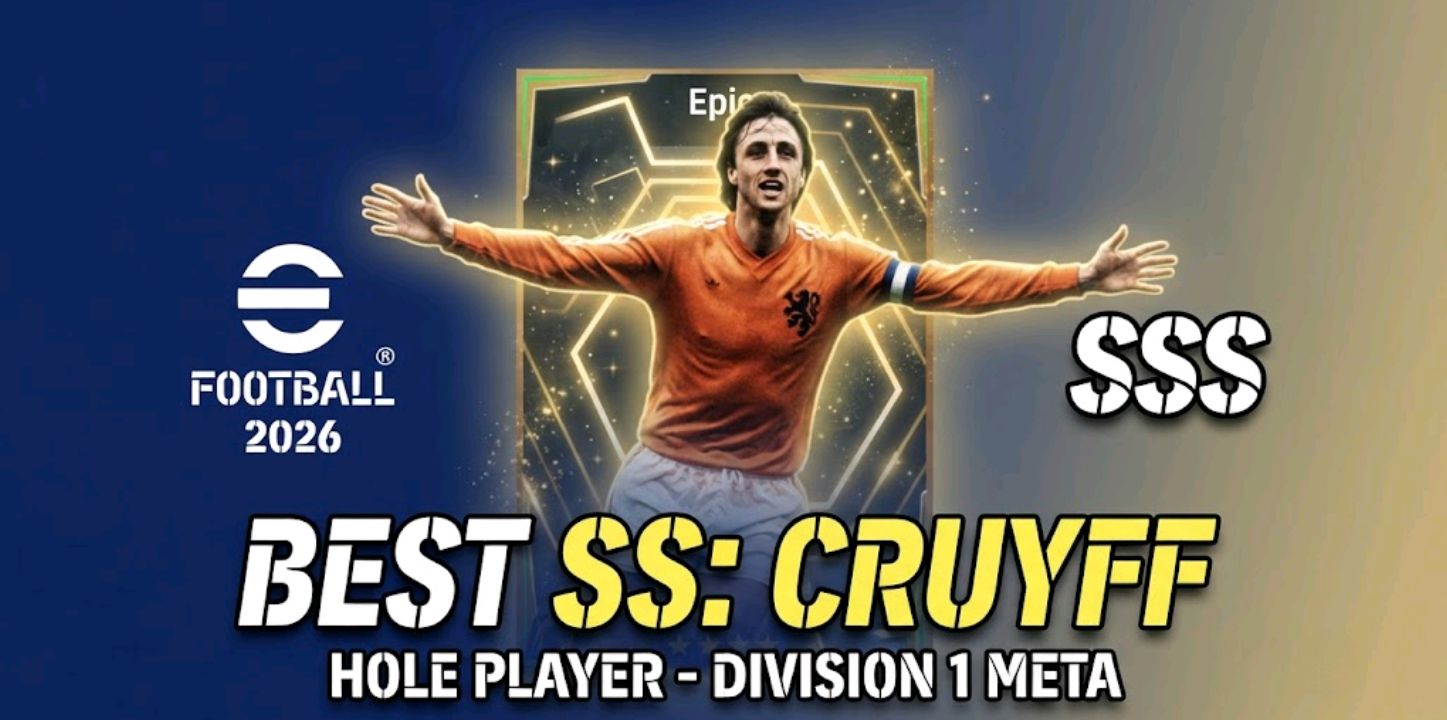
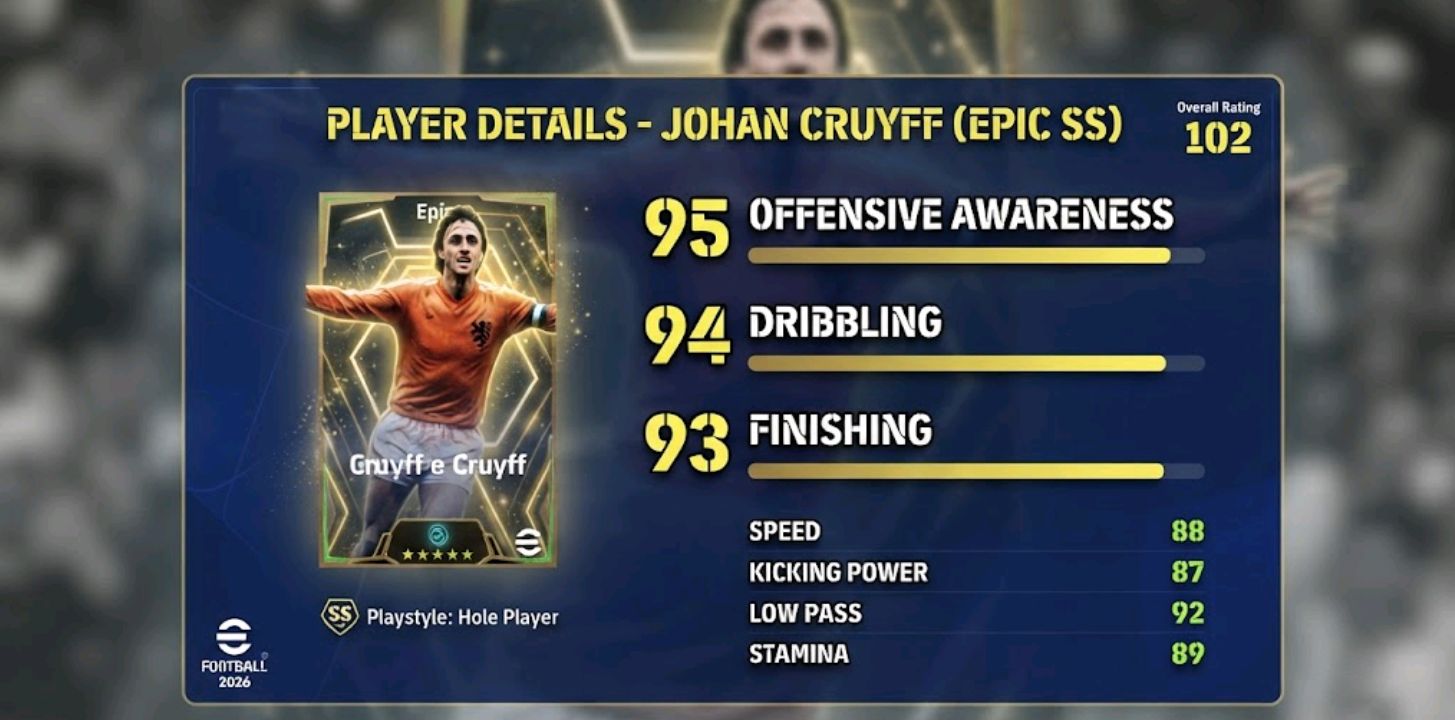
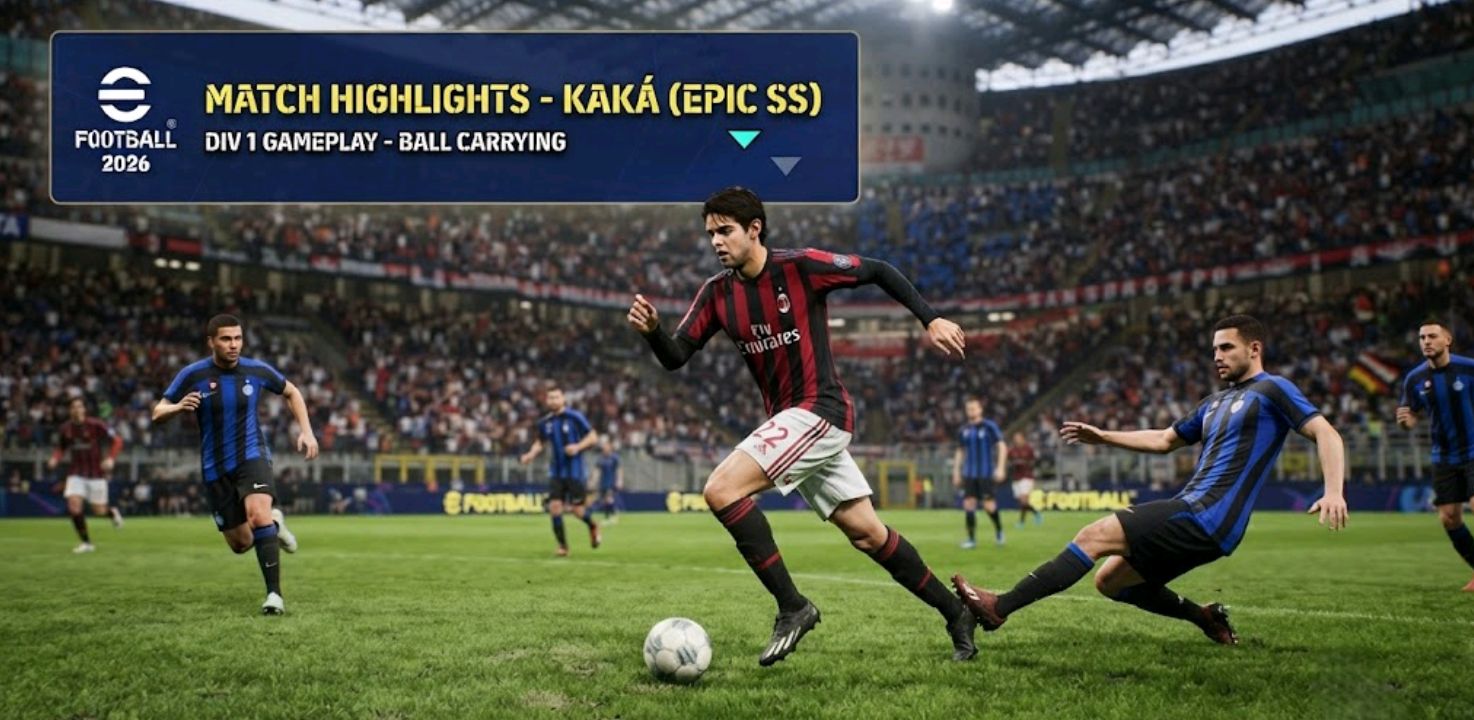
Cruyff earns the top spot because he’s the closest thing eFootball has to a genuine false nine playing out of the SS slot. He receives, turns, and creates in one motion, which matters more than raw pace once you’re facing organized Division 1 defending. Kaká sits right behind him for a different reason — he’s built for carrying the ball forward himself rather than waiting on service, which makes him a better fit if your midfield struggles to break lines.
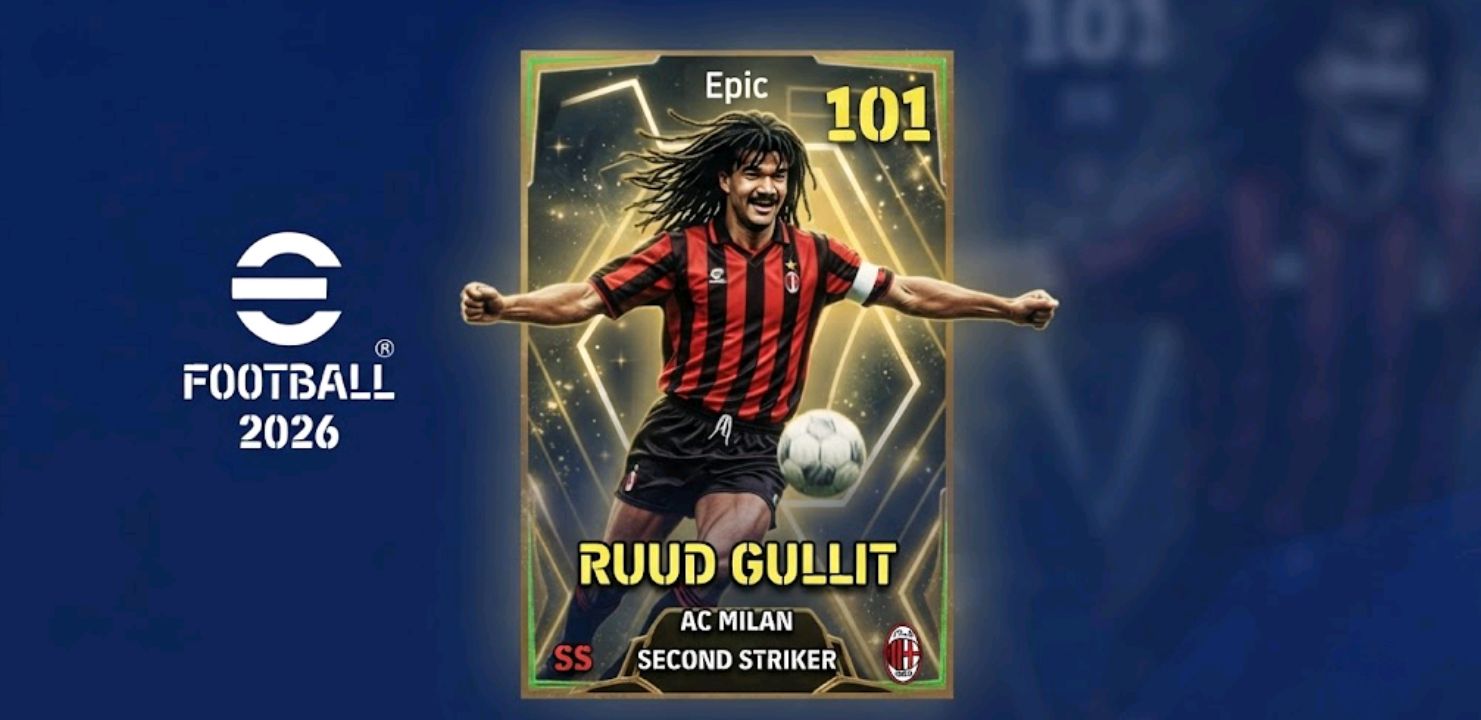
Gullit deserves a mention most tier lists skip. He’s not the flashiest name on this list, but he’s constantly working — dropping deep, arriving late, never needing to be forced into the play. That kind of movement is hard to script manually, so having a card that does it instinctively is worth more than an extra point of Kicking Power.
Griezmann is the pick if your build leans left-footed and you’re playing quick combinations rather than patient possession. His boosted versions give him a real bump to Offensive Awareness and Finishing, and the left foot alone opens shooting angles that right-footed SS options can’t take. The catch is that he needs service — he’s not going to manufacture his own chances the way Kaká or Doué will, so he works best behind a CF who’s already dragging defenders around.
Platini is the smartest mover on this list, even if he doesn’t top it. He waits. Where a lot of Hole Players force their run the moment space opens even slightly, Platini reads the shape of the defense first and times his movement to the exact moment it breaks. That patience makes him excellent in slower, more controlled possession systems, but it also means he’ll look sluggish if you’re expecting him to burst forward on a quick counter. Pair him with a midfield that can actually hold the ball — my best midfielders guide covers a few options that suit exactly this kind of buildup.
Doué is the closest thing on this list to a genuine dribbling outlet. His ball control in tight spaces is a real asset against opponents who defend narrow and compact, since he can turn away from pressure rather than needing an out-ball immediately. He’s also quicker than his card art suggests, which makes him a legitimate option in counter systems, not just possession ones. The tradeoff is decision-making under pressure — he’s more instinctive than calculated, so he can occasionally force a shot or dribble when a simpler pass was on.
Totti is a deliberate, controlled option rather than a constant-movement one. He’s not someone you use to stretch a defense with off-ball running — he’s more valuable operating between the lines, receiving with his back to goal, and picking the right moment to turn and either shoot or lay it off. If your team already has pace elsewhere and needs a calming presence in the final third, Totti fills that gap better than most cards on this list. He’s a poor fit, though, for anyone running a high-tempo counter system that needs constant forward runs.
Raúl rounds out the list as a Dummy Runner suited to stamina-heavy matches and quick counters. He’s not going to dominate possession the way Cruyff or Platini can, but his high stamina means he’s still making intelligent runs in the 80th minute when other cards have visibly slowed down. If your matches tend to go the distance and you’re tired of your attack fading in the second half, Raúl solves a problem the flashier picks on this list don’t.
A quick note if you’re building your whole attacking third around this list: SS decisions don’t happen in isolation. A second striker who’s constantly dropping deep needs cover from a midfield that can track that movement, and he needs a back line that isn’t caught out when he vacates his spot — my best defenders guide is worth a look if your defense has been getting exposed on the counter while your SS pushes forward.
What to Prioritize by System
| Your System | Key Stats | Skills That Matter |
|---|---|---|
| Possession (4-3-1-2) | Tight Possession, Ball Control, Low Pass | One Touch Pass, Through Passing |
| Counter (4-2-1-3) | Acceleration, Speed, Offensive Awareness | Long Range Shooting, First Time Shot |
| Long Ball | Offensive Awareness, Physical Contact | Heading, Long Range Shooting |
There’s no single “best” SS independent of how you actually play. Griezmann, for instance, is wasted in a slow possession build — his value comes from linking quick combinations before a defense resets. Totti is the opposite: rushing him into transition play ignores what makes his card good in the first place.
FAQ
Is Cruyff worth building around at SS?
Yes, particularly if your system already leans on possession. His profile rewards patient buildup rather than direct balls, so he underperforms in long-ball setups where he rarely touches the ball in dangerous areas.
Can a Dummy Runner SS work in a possession system?
It’s not ideal. Dummy Runners like Raúl and Doué are built to stretch defensive lines with off-ball movement, which suits counter-attacking football far more than a slow-buildup possession shape.
Does SS positioning affect defending?
Somewhat. An SS with poor Defensive Awareness leaves a gap when out of possession, which matters more against opponents who counter quickly through the middle after winning the ball.
Is a high-rated SS always better than a cheaper alternative?
Not automatically. Fit matters more than overall rating — a lower-rated card whose playstyle matches your formation will usually outperform a higher-rated card fighting against its own instincts.
Who Should Use Each Player?
| Player | Best For |
|---|---|
| Cruyff | Possession players |
| Kaká | Counter attacks |
| Gullit | Balanced play |
| Griezmann | Quick passing |
| Platini | Patient build-up |
| Doué | Dribblers |
| Totti | Creative playmakers |
| Raúl | Long matches and counters |
Final Word
If you want one SS that fits almost every possession setup, Cruyff remains my top recommendation — he’s the rare card that doesn’t ask you to change how you play to get value from him. Counter-attacking players should look harder at Kaká or Doué, since both can create something out of nothing without needing a slow buildup behind them. Gullit is the safest all-round option if you’re not fully committed to one system yet, and Platini or Totti are worth a look once your midfield can actually control the tempo of a match. Whichever you pick, make sure the rest of your front three — and the guides linked above — actually support the role you’re asking him to play.



Comments 0
Leave a comment